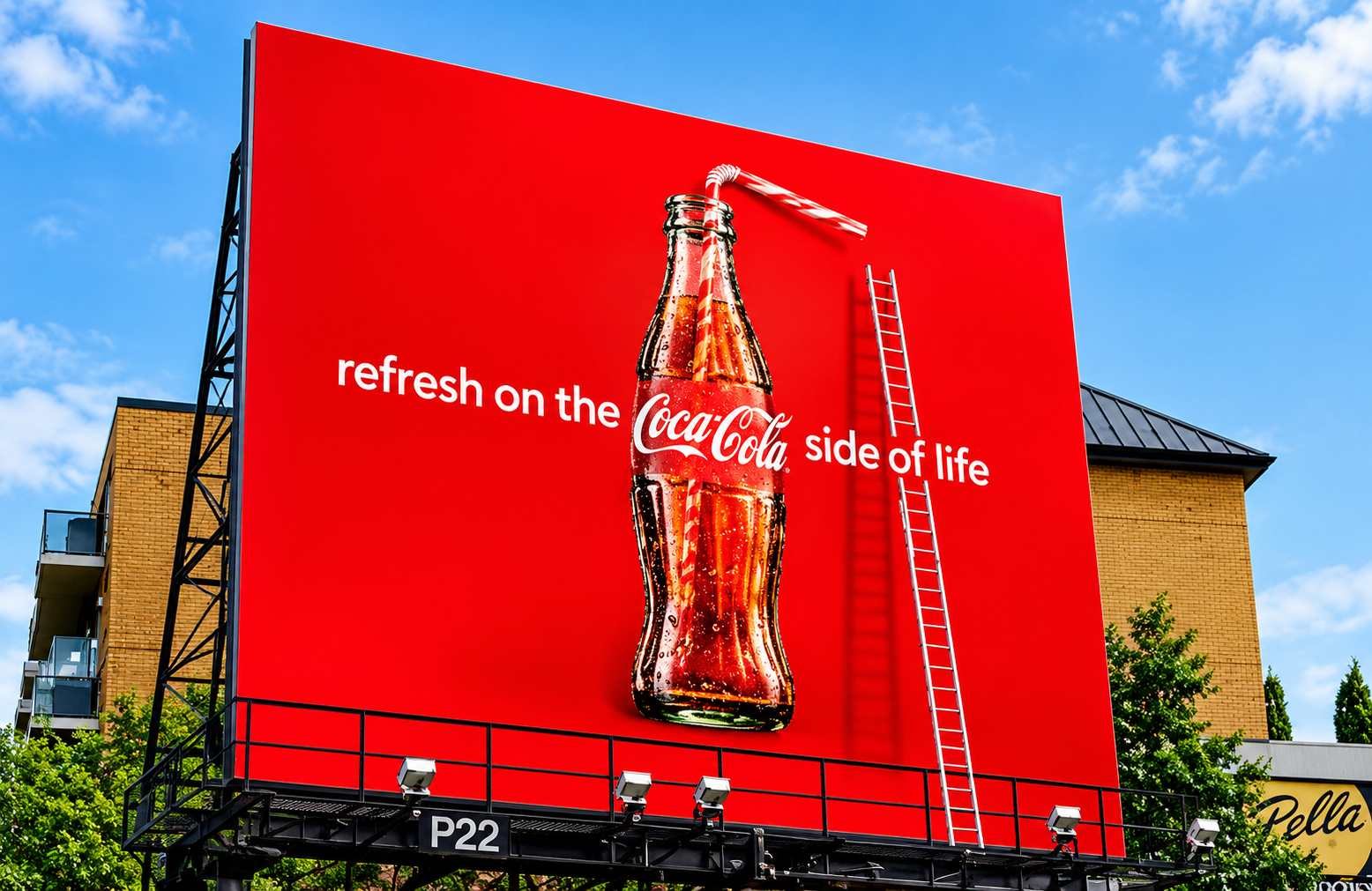
In Nigeria’s competitive commercial landscape, signage is one of the most powerful marketing tools a business can deploy. However, before installing any outdoor signboard, billboard, LED display, pylon sign, or building-mounted signage, there is a critical step many businesses overlook:
Across Nigeria, signage regulation is enforced by state and local government agencies. Failure to comply can lead to:
* Heavy fines
* Forced removal of signage
* Business disruption
* Legal penalties
* Brand damage
Navigating signage permits can be complex because regulations differ by state, local government area (LGA), and even specific commercial zones.
This comprehensive guide explains:
* The signage permit process in Nigeria
* State-level regulatory authorities
* Required documentation
* Structural and safety compliance
* Common mistakes businesses make
* Renewal procedures
* How SignFix Industrial Limited assists clients
If you are planning to install signage in Nigeria, this guide will protect your investment and ensure full compliance.
Many business owners assume signage installation is purely a design and fabrication issue. In reality, signage is regulated under:
* Urban planning laws
* Outdoor advertising regulations
* Environmental safety standards
* Traffic visibility laws
* Building codes
Signage is considered part of urban infrastructure, meaning it must comply with local planning authorities.
Obtaining proper permits ensures:
* Legal protection
* Business continuity
* Long-term operational stability
* Avoidance of enforcement actions
Signage regulations are managed at the state level. Each state has its own signage and advertisement agency.
For example:
•Lagos State
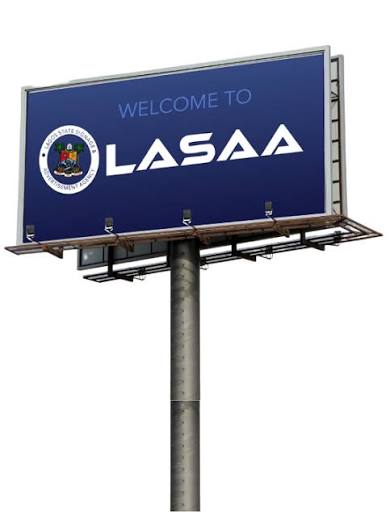
Regulated by the Lagos State Signage and Advertisement Agency (LASAA).
•Abuja (FCT)
Managed by the Abuja Metropolitan Management Council (AMMC) under outdoor advertising control units.
•Rivers State
Regulated by the Rivers State Signage and Advertisement Agency.
Other states operate similar agencies under Ministries of Environment or Urban Planning.
Because regulations differ by state, understanding local bylaws is essential.
In Nigeria, the following typically require approval:
* Outdoor shopfront signs
* Illuminated signage
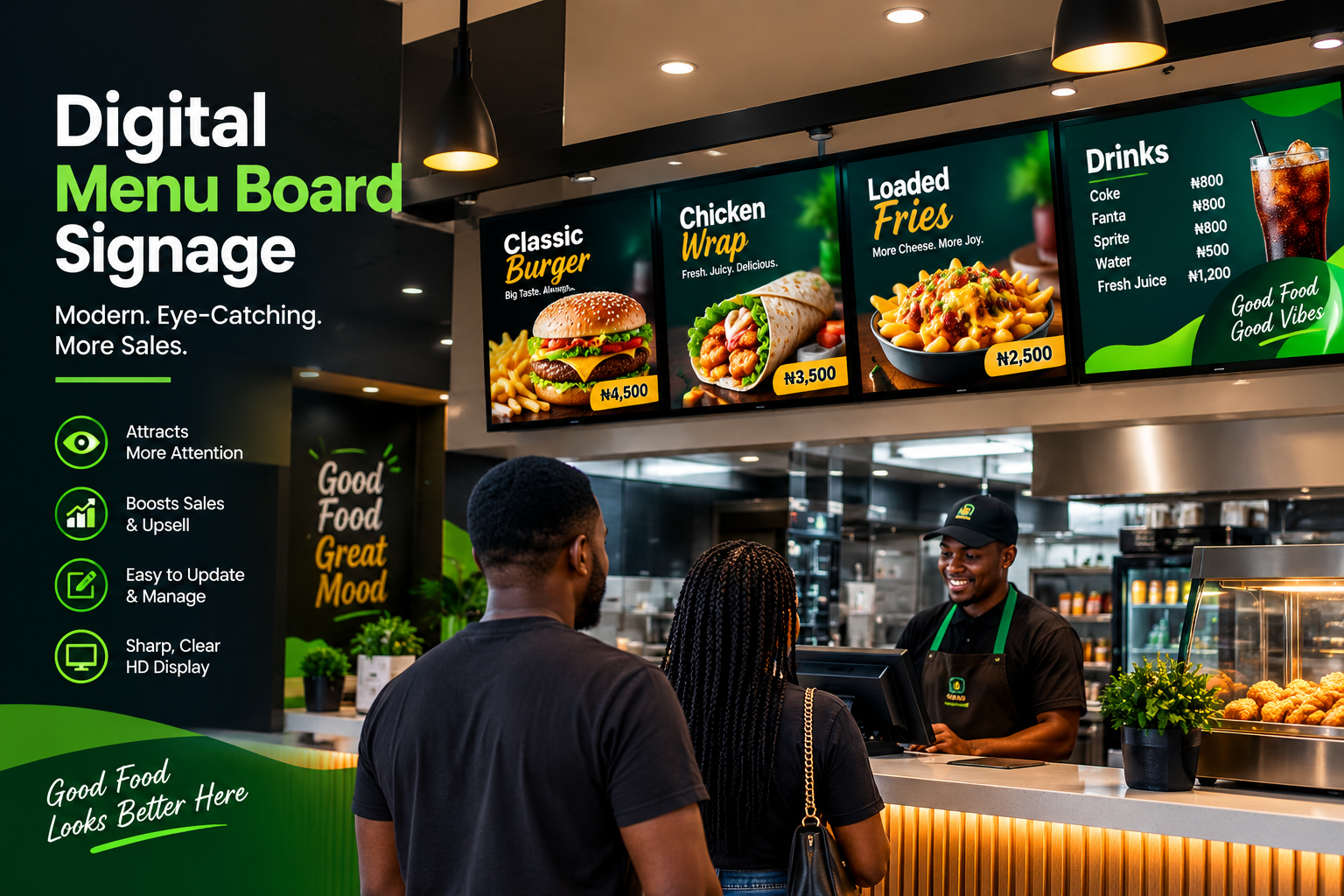
* LED digital screens
* Billboards (static & digital)
* Pylon signs
* Wall-mounted signs
* Directional signage
* Rooftop signage
* Estate signage
* Event promotional signage
Even temporary signage may require approval in certain states.
Signage permits are often categorized into:
1. Small Format Signage
Includes shopfront signs and wall-mounted signs.
2. Medium Format Signage
Includes pole signs and plaza signs.
3. Large Format Signage
Includes billboards and gantries.
4. Digital & LED Signage
Subject to additional brightness and technical regulations.
Each category has specific structural and zoning requirements.
Although requirements vary by state, common documents include:
* Business registration documents (CAC certificate)
* Tax clearance certificate
* Architectural drawings
* Structural drawings (for large signs)
* Site photographs
* Proof of property ownership or tenancy agreement
* Engineering stability report (for large billboards)
* Application form
* Payment receipt of permit fees
Incomplete documentation is one of the major causes of permit delays.
Most Nigerian states divide areas into zones:
* Commercial zones
* Residential zones
* Industrial zones
* Mixed-use zones
Signage size, height, and illumination levels depend on zoning classification.
For example:
* Residential areas restrict large illuminated signs
* Highways allow large-format billboards
* Central business districts permit high-visibility signage with limits
Installing signage without considering zoning can result in immediate removal.
Large signage must meet engineering safety standards.
Authorities assess:
* Wind load resistance
* Foundation stability
* Electrical safety
* Mounting integrity
* Fire safety compliance
Poorly installed signs pose public safety risks and are frequently penalized.
Digital and illuminated signage is increasingly regulated.
Key requirements may include:
* Maximum brightness levels
* Automatic dimming at night
* Prohibition of flashing lights in certain zones
* Restricted motion graphics
* Distance from traffic signals
These rules prevent driver distraction and light pollution.
1. Installing Before Approval
Many businesses fabricate and install signage before applying for permits.
Consequences:
* Removal orders
* Double payments
* Fines
* Seizure of signage
2. Using Unlicensed Fabricators
Unregistered vendors may not understand local bylaws.
Improper documentation leads to rejection.
3. Ignoring Annual Renewals
Signage permits often require yearly renewal.
Failure to renew may result in penalties or enforcement action.
4. Underreporting Sign Size
Authorities conduct inspections. If actual dimensions exceed approved measurements, fines may apply.
5. Ignoring Illumination Restrictions
Overly bright LED signage can attract penalties.
1. Site inspection
2. Signage design approval
3. Submission of application documents
4. Payment of assessment fees
5. Structural review (if applicable)
6. Agency inspection
7. Issuance of approval letter
8. Installation authorization
9. Final compliance inspection
The timeline varies depending on state and sign complexity.
Permit costs depend on:
* Sign size
* Location
* Illumination type
* Traffic exposure
* Duration of approval
Premium commercial areas attract higher rates.
It is advisable to budget for:
* Government fees
* Processing charges
* Renewal fees
* Inspection costs
Most signage permits are valid for one year.
Renewal may require:
* Payment of renewal fees
* Updated tax clearance
* Structural integrity confirmation
Failure to renew may lead to removal notices.
Regulatory agencies conduct periodic inspections.
Violations may result in:
* Sealing of premises
* Confiscation of signage
* Heavy fines
* Legal prosecution
* Blacklisting of vendor
Compliance is always cheaper than penalties.
Digital billboards face stricter requirements due to:
* High brightness
* Animated content
* Driver distraction concerns
Approval may require:
* Technical specifications
* Power consumption report
* Software control details
* Structural engineering certification
Festivals, political campaigns, and seasonal promotions require temporary permits.
Authorities often specify:
* Duration limits
* Removal deadlines
* Specific approved locations
Failure to remove temporary signage attracts penalties.
Signage installations must comply with environmental standards, including:
* Waste disposal during fabrication
* Noise pollution limits
* Light pollution control
* Structural impact on drainage systems
Environmental compliance strengthens approval chances.
Navigating signage permits requires:
* Regulatory knowledge
* Accurate documentation
* Structural expertise
* Government liaison experience
DIY applications often face delays or rejection.
SignFix Industrial Limited simplifies the entire process from concept to compliance.
We provide:
✔ Regulatory consultation
✔ Site inspection and zoning analysis
✔ Permit documentation preparation
✔ Liaison with signage authorities
✔ Structural design compliance
✔ Engineering certification support
✔ Professional installation
✔ Renewal management services
Our experience ensures your signage is legally approved before installation begins.
* Avoid costly fines
* Reduce project delays
* Ensure structural safety
* Protect brand reputation
* Maintain uninterrupted operations
* Improve long-term ROI
Compliance is an investment, not an expense.
* Increased LED control regulations
* Stricter zoning enforcement
* Digital permit tracking systems
* Higher penalties for illegal installations
* Smart city signage integration
Businesses that prioritize compliance will remain ahead of regulatory shifts.
Imagine installing a large illuminated sign in a commercial district without approval. Within weeks:
* Authorities issue removal notice
* Fines accumulate daily
* Installation cost becomes wasted investment
* Business operations are disrupted
Now compare that with:
* Pre-approval
* Professional documentation
* Legal compliance
* Peace of mind
The difference is strategic planning.
Why SignFix Industrial Limited Is the Perfect Partner
At SignFix Industrial Limited, we understand that signage is both a marketing tool and a regulated structure.
We combine:
* Design expertise
* Engineering precision
* Legal compliance knowledge
* Government liaison experience
* Professional fabrication
* Timely execution
Our team ensures every project meets Nigerian signage laws before installation.
We protect your investment, brand, and business continuity.
When you choose SignFix Industrial Limited, you choose:
✔ Compliance
✔ Professionalism
✔ Durability
✔ Peace of mind
✔ Strategic visibility
Signage permits and legal compliance in Nigeria are essential components of successful brand visibility.
Understanding local bylaws, preparing correct documentation, and following proper procedures prevents:
* Financial loss
* Operational disruption
* Legal penalties
* Brand damage
Working with experienced professionals ensures smooth approval and lasting results.
Signage is an investment — protect it with proper compliance.
Contact Us at support@signfix.ng or info@signfix.ng or Call Us +234 903 336 6660
Let SignFix handle your signage permits and compliance — so you can focus on growing your business with confidence.