

Commercial complexes are dynamic environments. From shopping malls and mixed-use developments to office parks, plazas, and large residential-commercial estates, these spaces host multiple businesses under one property identity. With heavy foot traffic, vehicular movement, and diverse tenant brands, one critical element determines clarity, navigation, and overall visual impact a well-structured Commercial Complex Signage Strategy.
Signage in commercial complexes is more than decoration. It controls traffic flow, improves tenant visibility, enhances property value, strengthens branding, ensures safety compliance, and directly impacts revenue generation. Without a coordinated signage strategy, even the most beautiful commercial development can appear disorganized, confusing, or unprofessional.
In today’s competitive real estate and retail market, developers and property managers must approach signage as a strategic infrastructure investment — not an afterthought.
This comprehensive guide explores:
* What a commercial complex signage strategy truly involves
* Core components of large-scale signage systems
* Tenant hierarchy and brand zoning
* Wayfinding planning for foot and vehicle traffic
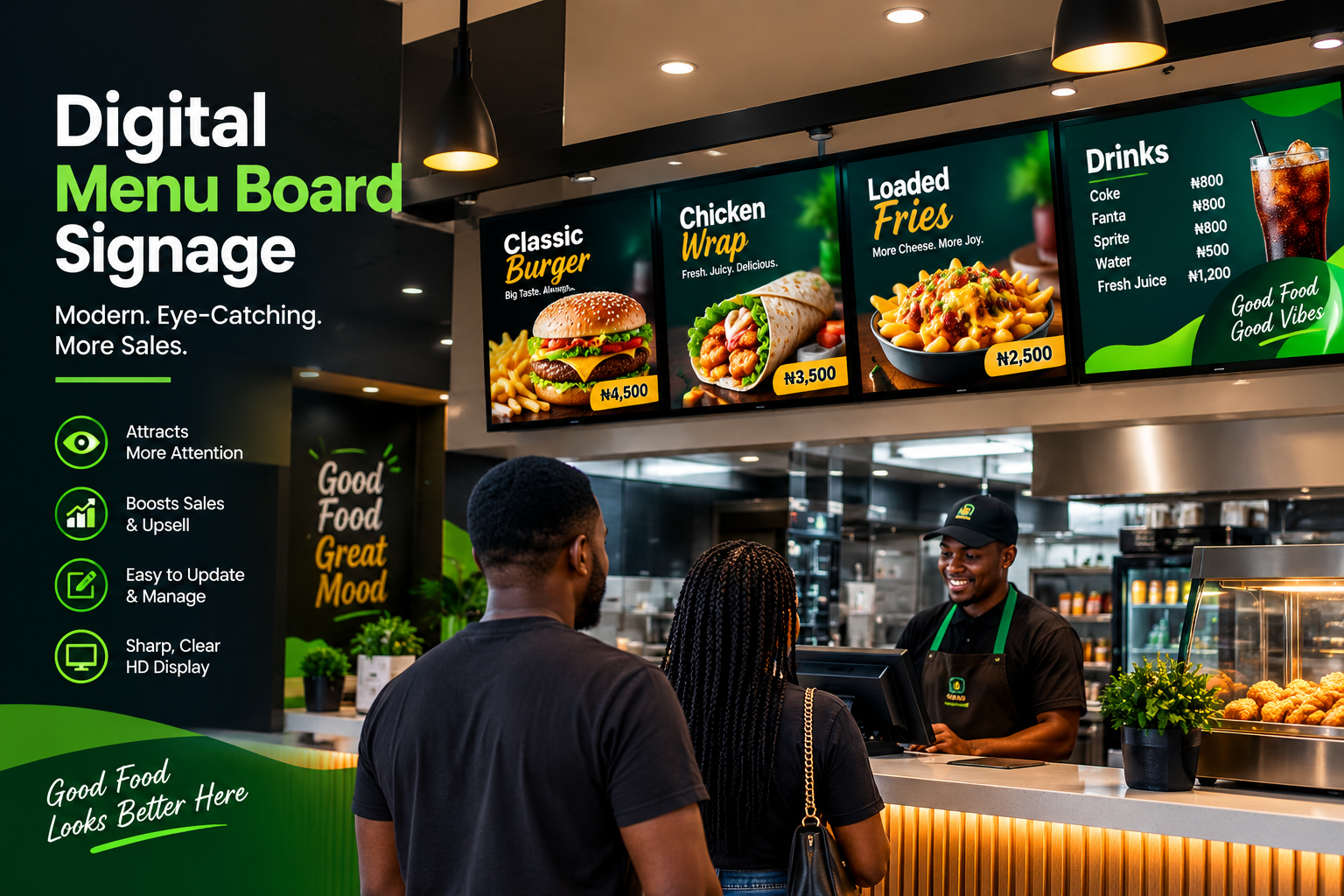
* Illuminated and digital signage integration
* Structural and environmental considerations in Nigeria
* Cost planning and long-term ROI
A Commercial Complex Signage Strategy is a structured, coordinated plan that defines how all signage elements within a commercial property function together.
It includes:
* Entrance monument signage
* Pylon signs
* Directional signs
* Tenant directory boards
* Building identification signs
* Wayfinding systems
* Parking signage
* Safety and compliance signage
* Digital and LED displays
Rather than installing signs randomly, a strategic approach ensures visual harmony, brand alignment, and navigational efficiency.
1. Multi-Tenant Visibility
In a commercial complex, multiple businesses compete for visibility. Without a hierarchy system, signage becomes cluttered.
A strategy ensures:
* Fair tenant exposure
* Organized display formats
* Controlled branding consistency
* Professional presentation
2. Traffic Flow Management
Commercial complexes experience:
* High pedestrian traffic
* Constant vehicle movement
* Delivery logistics
* Emergency vehicle access
Strategic signage prevents confusion, reduces congestion, and improves customer experience.
3. Property Value Enhancement
Well-designed signage elevates:
* Architectural appeal
* Investor confidence
* Tenant satisfaction
* Brand perception
Premium signage communicates premium property standards.
1. Monument & Entrance Signage
The entrance sign is the first impression of the entire complex.
Key considerations:
* Size and scale visibility from major roads
* Illuminated options for night visibility
* Durable materials resistant to Nigerian climate
* Landscaping integration
2. Pylon Signage Systems
Pylon signs are tall freestanding structures displaying multiple tenants.
Effective pylon signage:
* Uses clear tenant hierarchy
* Maintains uniform panel sizes
* Allows modular updates
* Incorporates LED lighting
3. Tenant Directory Systems
Located at:
* Entrances
* Elevator lobbies
* Parking areas
* Walkways
Directory systems must:
* Be easy to read
* Use consistent typography
* Follow logical grouping
* Allow updates when tenants change
4. Wayfinding Signage
Wayfinding signage includes:
* Directional arrows
* Zone identifiers
* Floor guides
* Exit signage
An effective wayfinding system reduces:
* Visitor frustration
* Time wasted navigating
* Customer drop-off rates
5. Parking & Traffic Signage
Parking areas require:
* Clear entry and exit signs
* Reserved parking indicators
* Speed regulation signs
* Safety compliance signage
Structured traffic signage prevents accidents and enhances organization.
6. Illuminated & Digital Signage
Modern commercial complexes integrate:
* LED façade signage
* Digital billboards
* Interactive directories
* Video display boards
These features increase tenant advertising potential and attract foot traffic.
One of the biggest mistakes in commercial complexes is failing to establish hierarchy.
A signage hierarchy determines:
* Which signs are primary (complex name)
* Which are secondary (anchor tenants)
* Which are tertiary (smaller businesses)
Brand zoning ensures:
* Organized visual structure
* Reduced clutter
* Balanced tenant representation
Commercial complexes in Nigeria face unique environmental challenges:
Climate Factors
* High rainfall
* Coastal humidity (Lagos Island, Victoria Island, Lekki)
* Intense sunlight
* Dust exposure
Signage materials must be:
* Rust-resistant
* UV-protected
* Waterproof
* Structurally reinforced
Structural Safety
Large signage structures must account for:
* Wind load resistance
* Foundation strength
* Electrical safety compliance
* Proper installation engineering
Poor structural planning leads to safety risks and costly repairs.
Commercial properties frequently experience:
* Tenant relocation
* New business onboarding
* Brand redesign
* Expansion
A modular signage strategy allows:
* Panel replacement without full reconstruction
* Flexible tenant updates
* Cost-effective changes
* Consistent aesthetic continuity
Modern developers prioritize sustainability.
A sustainable signage strategy includes:
* Energy-efficient LED systems
* Solar-powered options
* Recyclable materials
* Durable long-life fabrication
* Waste-reduction manufacturing
This improves:
* Environmental responsibility
* Operational cost savings
* Brand reputation
Investing in a structured signage strategy reduces:
* Replacement frequency
* Maintenance costs
* Brand inconsistency issues
* Tenant dissatisfaction
Long-term benefits include:
* Higher tenant retention
* Increased foot traffic
* Stronger commercial appeal
* Premium property positioning
Strategic signage directly contributes to revenue growth.
* Installing signs without a master plan
* Ignoring tenant hierarchy
* Using low-quality materials
* Poor lighting design
* Overcrowding visual space
* Neglecting maintenance planning
Professional planning prevents these costly errors.
1. Site Survey & Traffic Study
2. Property Branding Assessment
3. Tenant Categorization
4. Structural & Engineering Planning
5. Design Concept Development
6. Fabrication & Material Selection
7. Professional Installation
8. Maintenance Scheduling
A structured process guarantees professional execution.
Commercial complex signage requires technical precision, structural expertise, and strategic design coordination.
SignFix Industrial Limited offers:
* Comprehensive signage master planning
* High-quality fabrication services
* Large-scale pylon and monument signage expertise
* LED and illuminated signage integration
* Durable, climate-resistant materials
* Modular signage systems for tenant flexibility
* Professional installation and structural reinforcement
* Ongoing maintenance support
With deep knowledge of Nigeria’s commercial landscape, SignFix Industrial limited delivers signage systems that are:
* Architecturally aligned
* Structurally secure
* Visually cohesive
* Energy-efficient
* Long-lasting
* Brand-focused
We don’t just install signs — we engineer complete signage ecosystems for commercial success.
A Commercial Complex Signage Strategy is not optional — it is essential.
It influences:
* Traffic flow
* Tenant visibility
* Brand consistency
* Safety compliance
* Property value
* Long-term profitability
Commercial complexes that implement structured signage strategies gain competitive advantage, operational efficiency, and premium market positioning.
Strategic signage transforms a property from ordinary to iconic.
Email Us at support@signfix.ng or info@signfix.ng or Call Us +2349033366660