
Imagine driving down a busy street and seeing four businesses in a row. The first business’s sign is large, well‑lit, easy to read, and positioned perfectly. The second sign is small, weakly lit, and obscured by foliage. Which business would you notice first?
Strategic signage placement isn’t just about putting a sign on a building — it’s about positioning your message where it matters most. In highly competitive environments, top‑level visibility transforms walks, traffic, and interest into measurable results.
In this comprehensive guide, we’ll walk you through everything you need to know about strategic signage placement, from psychology to execution, benefits, common pitfalls, and how to implement a placement strategy that drives results.
At its core, strategic signage placement refers to the intentional positioning of signs within a physical environment to maximize visibility, engagement, and communication effectiveness. It’s not random — it’s rooted in data, human behavior, landscape design, and marketing psychology.
Placement impacts:
* Visibility
* Readability
* Brand exposure
* Customer behavior
* Sales and conversions
Humans process visual information faster than text. Research shows that we recognize familiar signs within 1/10th of a second. Strategic placement takes advantage of human visual paths:
* Eye‑level visuals attract up to 42% more attention
* Signage near decision points influences behavior more
* Contrast and spacing improve comprehension
Understanding how the brain interprets visual stimuli is essential in choosing where and how to place signs — especially in crowded or competitive environments.
4.1 Outdoor Signage
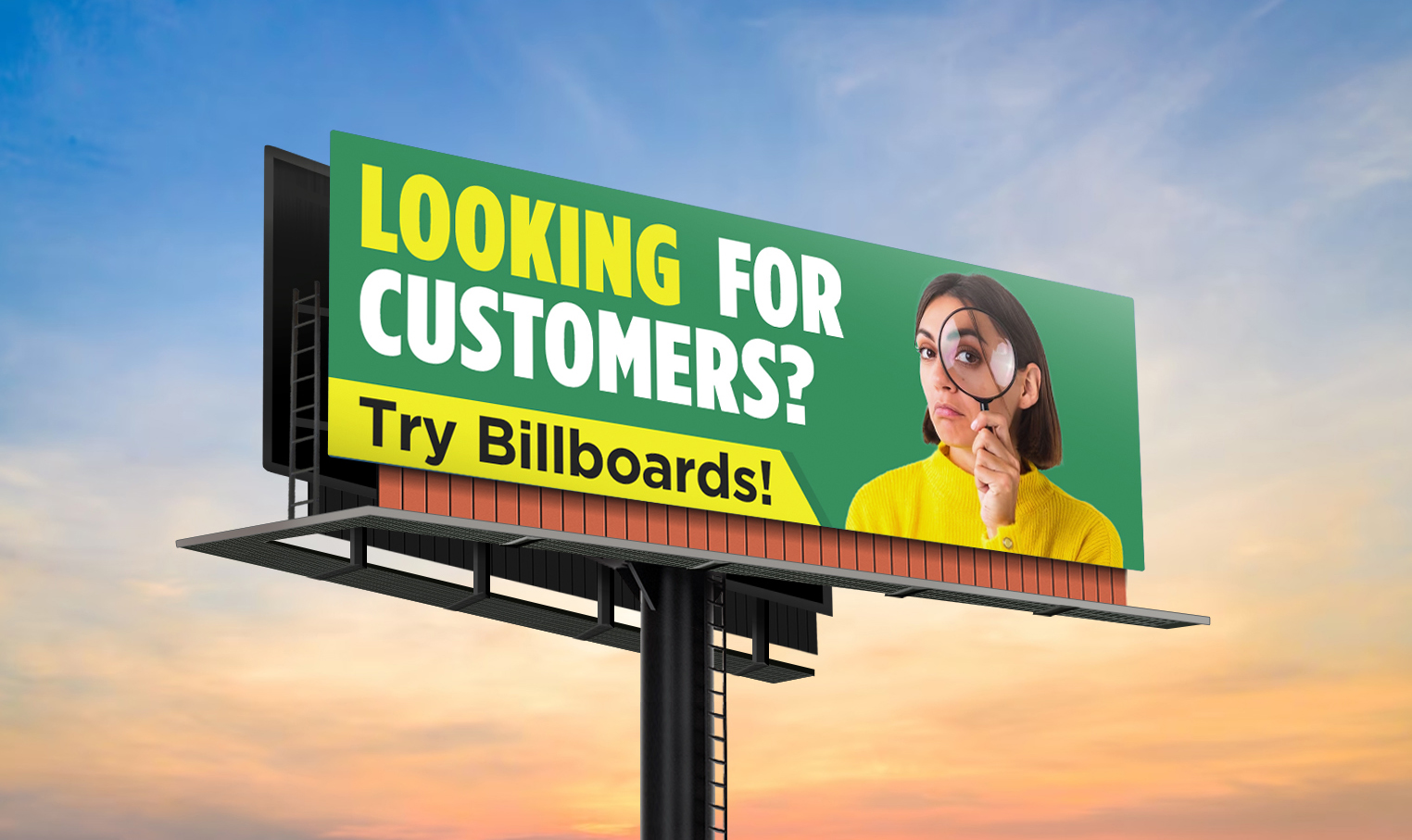
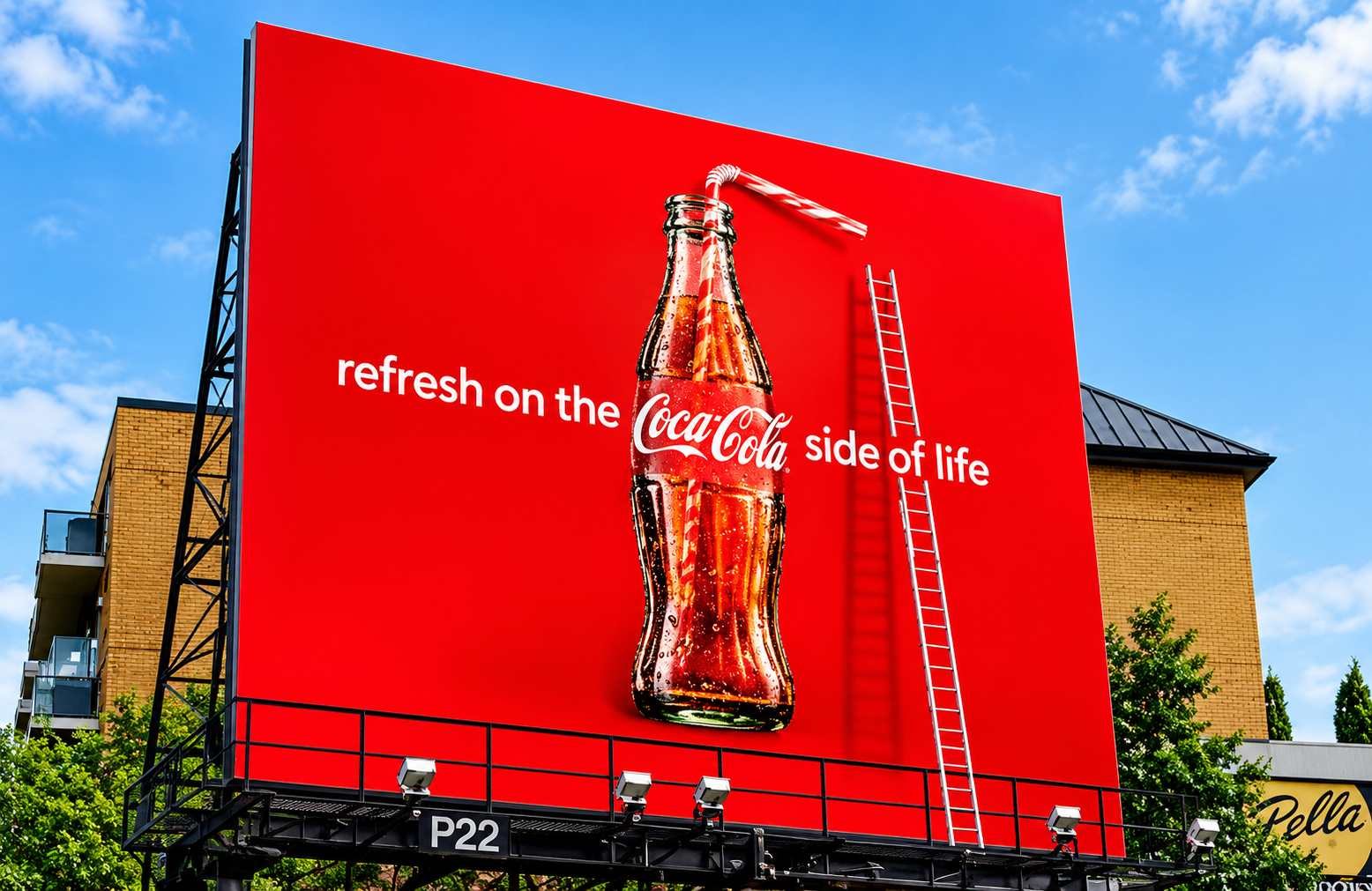
Outdoor signage includes billboards, entrance signs, wall graphics, and pole signs.
Key places:
* Main street entrances
* High vehicle traffic points
* Pedestrian pathways
* Near intersections
4.2 Indoor Signage
Indoors signs improve wayfinding, reinforce branding, and promote special offers.
Ideal placements:
* Lobby and reception areas
* Product aisles
* Near checkout counters
* Stairwells and hallways
4.3 Digital & Interactive Signage
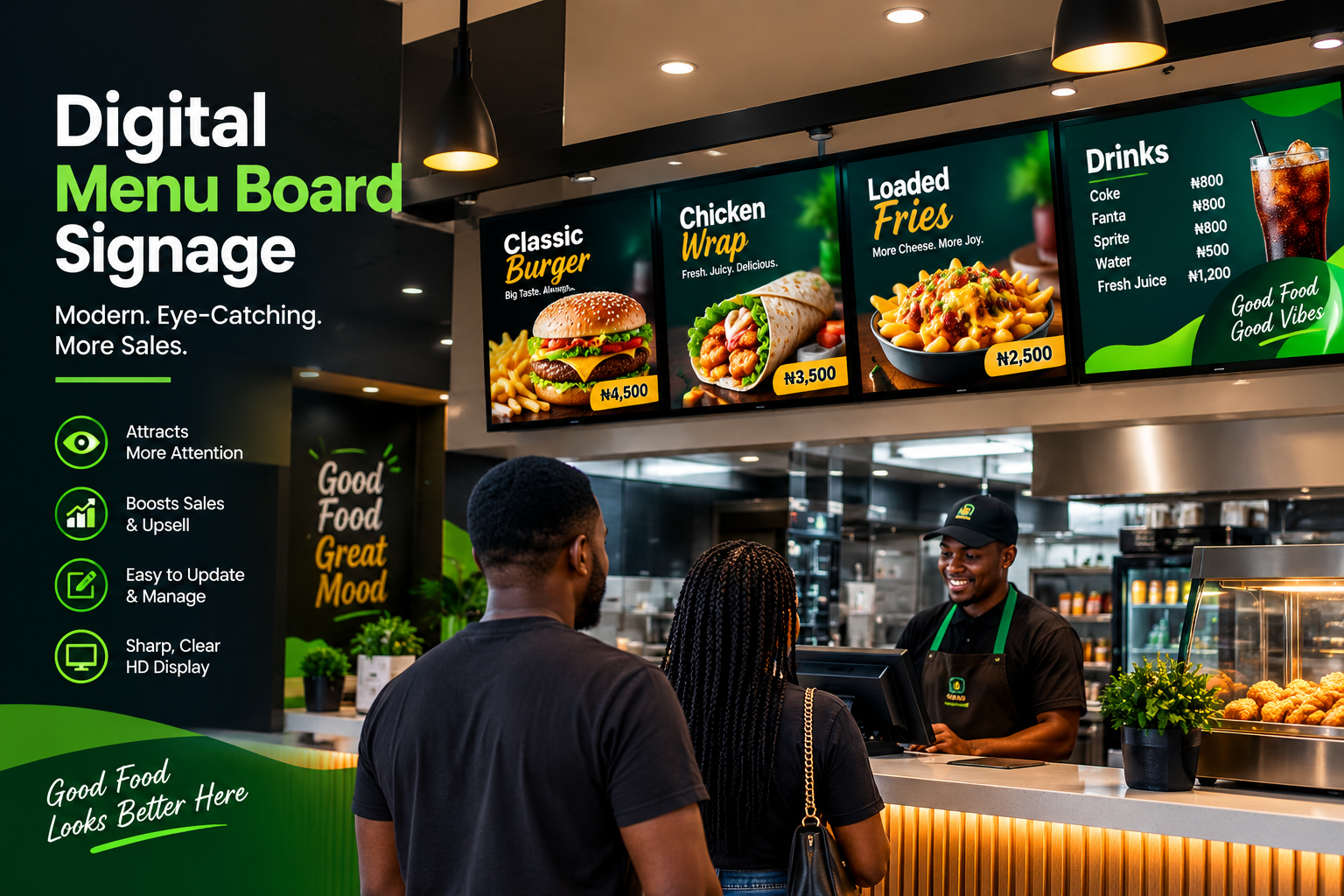
Digital signs work best where dwell time is higher — waiting areas, lobbies, reception desks, or service zones.
Strategic placement isn’t aesthetic alone — it drives business outcomes:
5.1 Increased Brand Awareness
Your brand message reaches more people when placed in prominent locations.
5.2 Enhanced Customer Engagement
Strategic signage guides customers to key products or services.
5.3 Higher Conversion Rates
Signs influence purchase decisions in real time.
5.4 Improved Wayfinding
Clear signs reduce confusion and enhance customer experience.
5.5 Competitive Advantage
Well‑placed signage helps you stand out from competitors.
A successful signage plan involves:
1. Goal setting — What do you want your sign to achieve?
2. Audience research— Who are you targeting?
3. Environmental analysis — What are your location’s traffic patterns?
4. Design considerations— Shape, color, size, and message
5. Testing & iteration
A site survey assesses:
* Pedestrian and vehicle traffic flow
* Lighting conditions
* Obstructions (trees, poles, structures)
* Angles of approach
* Sightlines during peak hours
Site surveys reveal opportunities that photos or blueprints alone don’t show.
Strategic placement thrives on understanding movement.
*Vehicle Traffic
Signs near road intersections, roundabouts, and entry/exit points reach more prospective customers.
*Pedestrian Traffic
Indoor and outdoor footpaths should inform placement — choke points are golden opportunities.
Signage placement must respect:
* Zoning laws
* Building codes
* Safety regulations
* HOA (Homeowners Association) guidelines
Failure to comply can result in fines or forced removal.
Even the best location fails if the sign isn’t readable.
Key Principles:
* Contrast — Dark text on light background (or vice‑versa)
* Lighting — Backlit, halo lit, or LED ensures readability day/night
* Font size & hierarchy— Prioritize key messages with larger type
* Whitespace— Avoid overcrowding
*Case Study #1: Retail Plaza
The plaza repositioned key tenant signs closer to the main road, increasing visibility by 70% and foot traffic by 35% within 90 days.
*Case Study #2: Corporate Office
Directional signs installed at decision points reduced visitor confusion and improved appointment punctuality dramatically.
* Placing signs too high or too low
* Ignoring sightlines and angles
* Poor contrast and lighting
* Failing to analyze traffic patterns
* Overcrowded or unclear messaging
Your online search visibility depends on:
* Local SEO
* Maps visibility
* Reviews
* NAP consistency
Strong physical visibility boosts brand recall, leading to more branded searches, more review conversions, and stronger local SEO — creating an offline‑to‑online loop.
Track:
* Footfall before/after placement
* Sales uplift
* Customer surveys
* Dwell time near sign areas
* QR code scans and digital interactions
Use analytics to continually optimize placements.
15.1 Smart Signage
AI and IoT‑enabled signs that adapt lighting and content based on audience behavior.
15.2 Augmented Reality Signage
Bridges physical signage with virtual interaction.
15.3 Eco‑Friendly Materials
Sustainable signage is now a brand differentiator.
Whether you run a retail space, corporate campus, hotel, restaurant, or service center, signage placement influences how customers perceive your brand — and how fast they act on your message.
Every great signage deployment starts with expertise, precision, and thoughtful execution — and that’s where SignFix Industrial Limited stands out.
Here’s why SignFix is the ideal partner for strategic signage:
✔ Industry Expertise
SignFix has years of hands‑on experience designing and placing signs that perform, not just look good.
✔ Tailored Solutions
We don’t use templates. SignFix crafts placements based on your unique layout, audience behavior, and business goals.
✔ End‑to‑End Service
From initial site survey to installation and maintenance, SignFix handles every stage with professionalism and excellence.
✔ Data‑Driven Approach
Each placement is informed by research, traffic analysis, and design strategy to maximize visibility and ROI.
✔ Regulatory Compliance
SignFix ensures all signage is compliant with local regulations and safety standards — so you never risk fines or removal.
✔ Customer‑First Focus:
Our clients appreciate transparent communication, on‑time delivery, and post‑installation support.
In short: SignFix doesn’t just hang signs — we position them strategically to help your business be seen, remembered, and chosen.
Ready to elevate your visibility with strategic signage placement?
Contact the SignFix Industrial Limited team today:
Email Us at support@signfix.ng or info@signfix.ng or Call Us +2349033366660
Let’s position your brand where it matters most.