

In a busy commercial environment, your storefront is more than just the entrance to your business—it is the first opportunity to make a strong impression on potential customers. Every day, hundreds or even thousands of people may pass by your location, but only a fraction will step inside. The difference between those who walk past and those who walk in often comes down to one crucial factor: storefront signage.
A well-designed storefront sign acts as a powerful marketing tool. It attracts attention, communicates your brand identity, and encourages customers to engage with your business. On the other hand, poor signage can cause businesses to remain unnoticed, even in high-traffic locations.
Developing the right storefront signage strategy requires careful planning, thoughtful design, and professional execution. In this comprehensive guide, we explore the most effective storefront signage strategies businesses can use to improve visibility, attract customers, and strengthen their brand presence.
Storefront signage plays a critical role in shaping customer perception and influencing purchasing behavior. For many businesses, it serves as the primary form of advertising.
Unlike online ads that appear briefly and disappear, storefront signage works continuously. It communicates your brand message every hour of the day and night.
A strong storefront sign accomplishes several important objectives:
* It identifies your business location clearly.
* It communicates professionalism and credibility.
* It captures attention in crowded commercial areas.
* It encourages walk-in traffic.
* It strengthens brand recognition.
Businesses that invest in high-quality storefront signage often experience significant improvements in visibility and customer engagement.
Before designing storefront signage, it is essential to understand your target audience. Different businesses attract different types of customers, and signage should be tailored to appeal to the intended demographic.
For example:
Retail stores may benefit from bold, colorful signage that captures attention quickly. Corporate offices may require clean, professional signage that reflects authority and reliability. Restaurants and cafés often use warm lighting and creative typography to create inviting atmospheres.
By aligning signage design with customer expectations, businesses can create stronger emotional connections with their audience.
One of the most important storefront signage strategies involves positioning the sign where it can be easily seen. Visibility determines whether people notice your business. Poor placement can make even the most attractive sign ineffective.
Key placement considerations include:
1. Eye-Level Visibility
Signs should be positioned where customers naturally look when walking or driving by.
2. Traffic Direction
Signage should face the direction of incoming traffic to maximize exposure.
3. Avoiding Obstructions
Trees, poles, buildings, and parked vehicles can block signage visibility. Careful placement ensures that signs remain visible at all times.
4. Height Considerations
Signs placed too high or too low may not capture attention effectively. Proper height positioning allows both pedestrians and drivers to see the sign clearly.
Lighting plays a major role in the effectiveness of storefront signage. Businesses that operate during evening hours must ensure that their signs remain visible at night.
Illuminated signage provides several advantages:
* Increased nighttime visibility
* Enhanced brand presence
* Improved safety perception
* Greater attention from passing traffic
LED lighting is one of the most popular choices for modern storefront signage because it is energy-efficient and long-lasting.
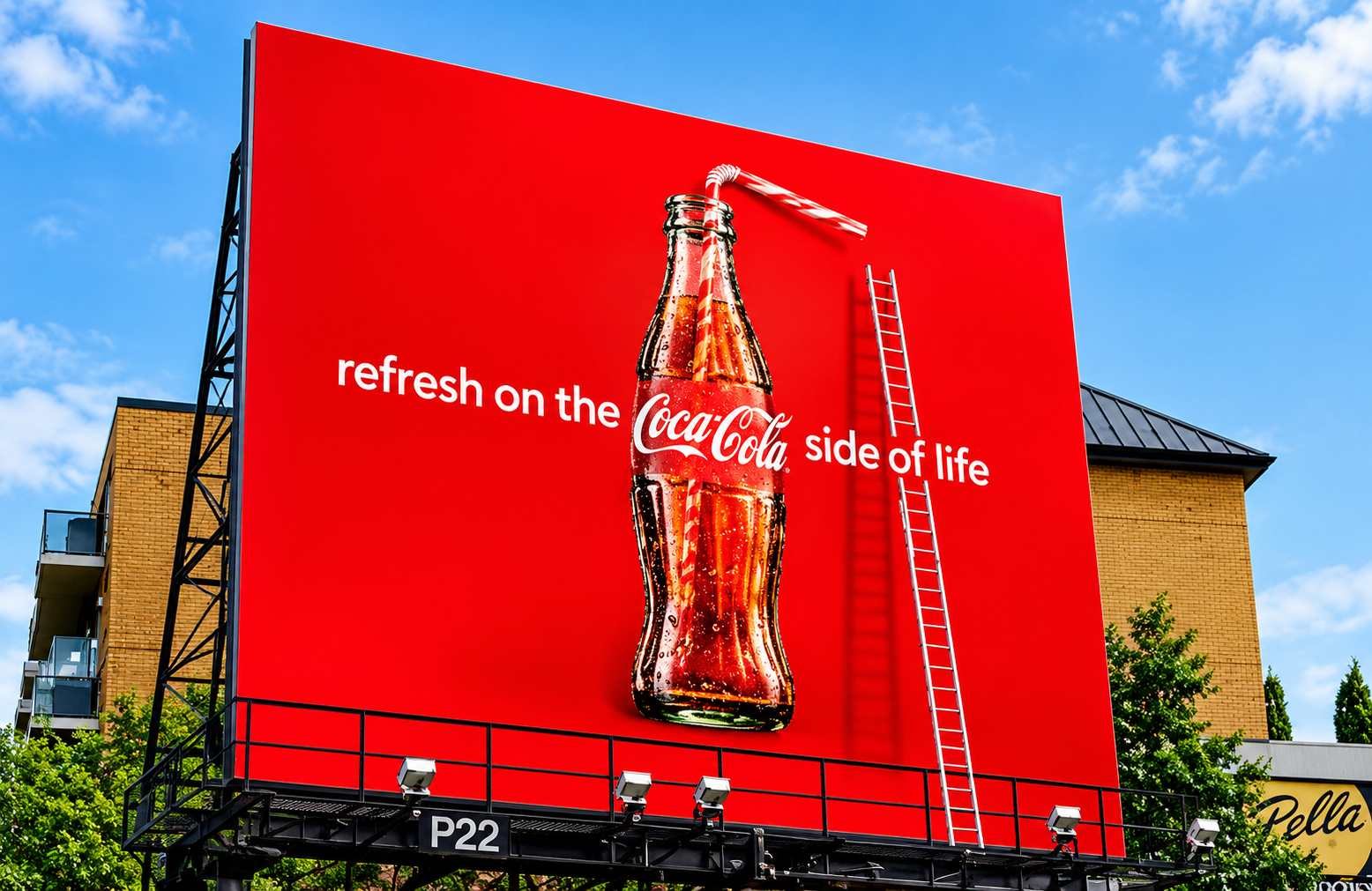
Backlit signs, halo-lit letters, and illuminated logos can create visually striking storefront displays that attract attention even from a distance.
The durability and appearance of storefront signage depend heavily on material selection.
Common materials used in modern signage include:
1. Acrylic
Acrylic offers a smooth finish and excellent light diffusion, making it ideal for illuminated signage.
2. Aluminum
Aluminum is lightweight, rust-resistant, and highly durable, making it suitable for outdoor applications.
3. Stainless Steel
Stainless steel signage provides a premium look and exceptional longevity.
4. PVC and Foam Boards
These materials are commonly used for indoor signage and temporary displays.
Selecting high-quality materials ensures that signage maintains its appearance despite exposure to weather conditions such as rain, heat, and dust.
A storefront sign must communicate its message quickly. People walking or driving past have only a few seconds to read and understand the information. Effective signage design focuses on clarity and readability.
1. Font Choice
Fonts should be simple and easy to read from a distance. Decorative fonts may look attractive but can reduce readability.
2. Letter Size
Larger letters improve visibility and allow customers to identify your business from farther away.
3. Color Contrast
High contrast between text and background improves readability. For example, dark lettering on a light background is easier to read.
4. Simplicity
The most effective storefront signs keep the message clear and concise.
Storefront signage should reflect the overall brand identity of the business. Consistency in colors, typography, and design elements helps reinforce brand recognition.
When customers see consistent branding across signage, marketing materials, and interior design, they perceive the business as more professional and trustworthy.
Brand consistency also improves customer memory, making it easier for people to recall your business later.
The size of storefront signage should match the scale of the building and surrounding environment.
Small signs may become lost on large buildings, while oversized signs may appear overwhelming.
Proper scaling ensures that signage stands out without appearing disproportionate.
Businesses located on busy roads may require larger signage to capture the attention of passing motorists.
Different industries require different signage strategies.
1. Retail Stores
Retail storefronts often use bright colors and promotional messages to attract impulse shoppers.
2. Restaurants and Cafés
Restaurants benefit from warm lighting, creative typography, and inviting design elements.
3. Corporate Offices
Corporate signage typically features clean designs, subtle colors, and professional materials.
4. Healthcare Facilities
Healthcare signage focuses on clarity and accessibility to ensure that patients can easily identify locations.
By tailoring signage to industry needs, businesses can improve effectiveness and customer engagement.
Modern storefront signage increasingly incorporates technology to enhance visual appeal and functionality.
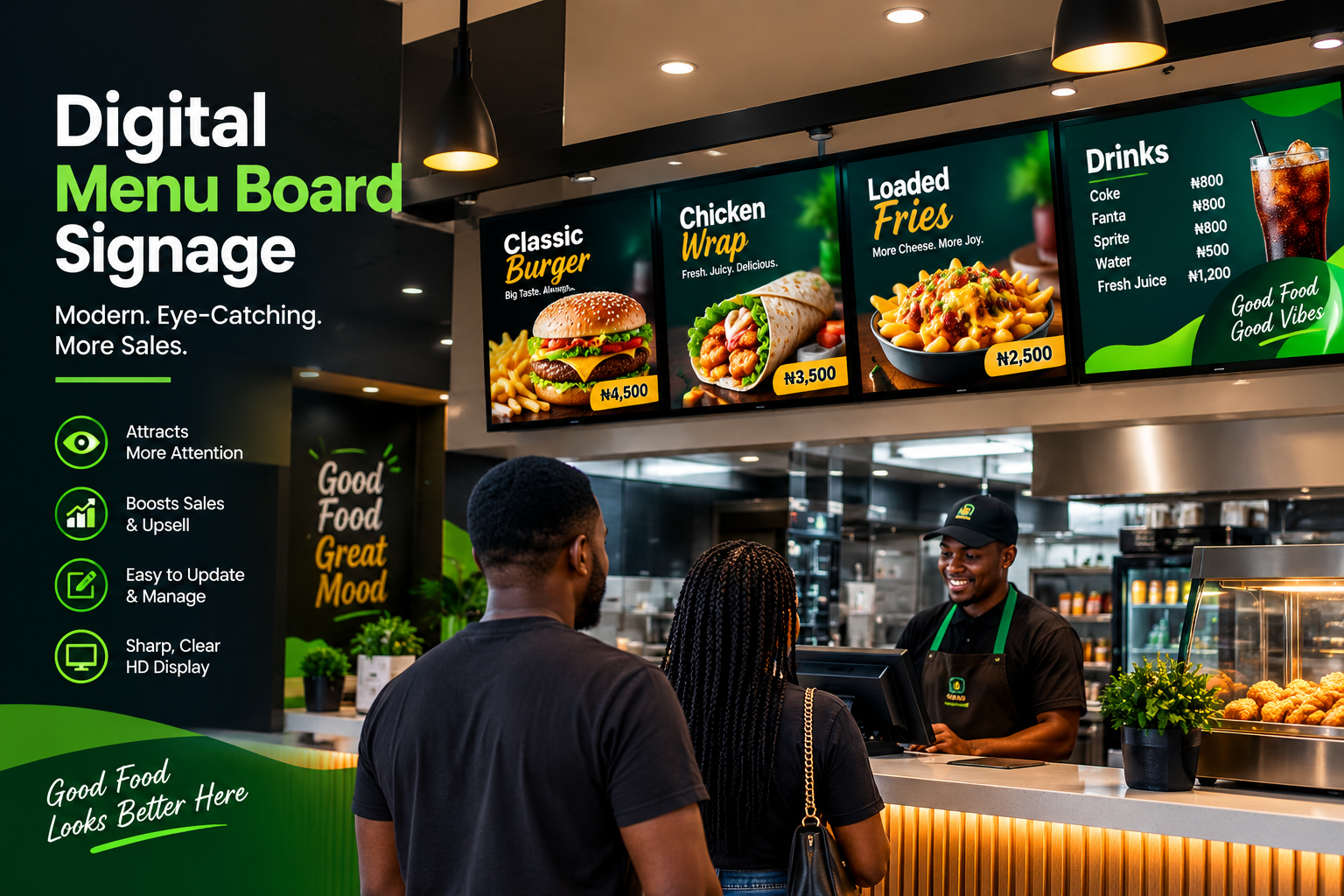
Digital displays, programmable LED signs, and interactive screens allow businesses to display dynamic content.
Examples of technological signage applications include:
* Promotional video displays
* Digital menu boards
* Real-time announcements
* Seasonal advertisements
These technologies provide flexibility and allow businesses to update content easily.
Even the best signage requires regular maintenance to remain effective.
Maintenance activities include:
* Cleaning surfaces to remove dust and dirt
* Inspecting lighting components
* Checking structural integrity
* Replacing worn materials when necessary
Regular maintenance ensures that signage continues representing the business in a professional manner.
Many businesses unintentionally reduce the effectiveness of their signage due to common mistakes.
These include:
* Using fonts that are difficult to read
* Selecting colors with poor contrast
* Installing signs that are too small
* Poor placement that blocks visibility
* Choosing low-quality materials
Avoiding these mistakes helps businesses maximize the impact of their signage investment.
Effective storefront signage can significantly influence business performance.
Benefits include:
1. Increased Walk-In Traffic
Eye-catching signage encourages people passing by to explore the business.
2. Stronger Brand Identity
Consistent signage design reinforces brand recognition.
3. Improved Customer Trust
Professional signage creates an impression of reliability and quality.
4. Long-Term Marketing Value
Unlike temporary advertising campaigns, storefront signage provides continuous promotion for years.
Creating effective storefront signage requires expertise in design, materials, engineering, and installation. This is where SignFix Industrial Limited excels. SignFix Industrial Limited specializes in delivering professional signage solutions that combine creativity, durability, and technical precision.
Businesses that partner with SignFix Industrial Limited benefit from:
* High-quality signage materials designed for long-term durability
* Professional design tailored to each brand’s identity
* Strategic placement planning for maximum visibility
* Expert installation that ensures safety and structural stability
* Innovative signage solutions that enhance brand presence
With a commitment to excellence and customer satisfaction, SignFix Industrial Limited helps businesses transform their storefronts into powerful marketing assets.
For professional storefront signage solutions tailored to your business needs, Email Us at support@signfix.ng or info@signfix.ng or Call Us +2349033366660