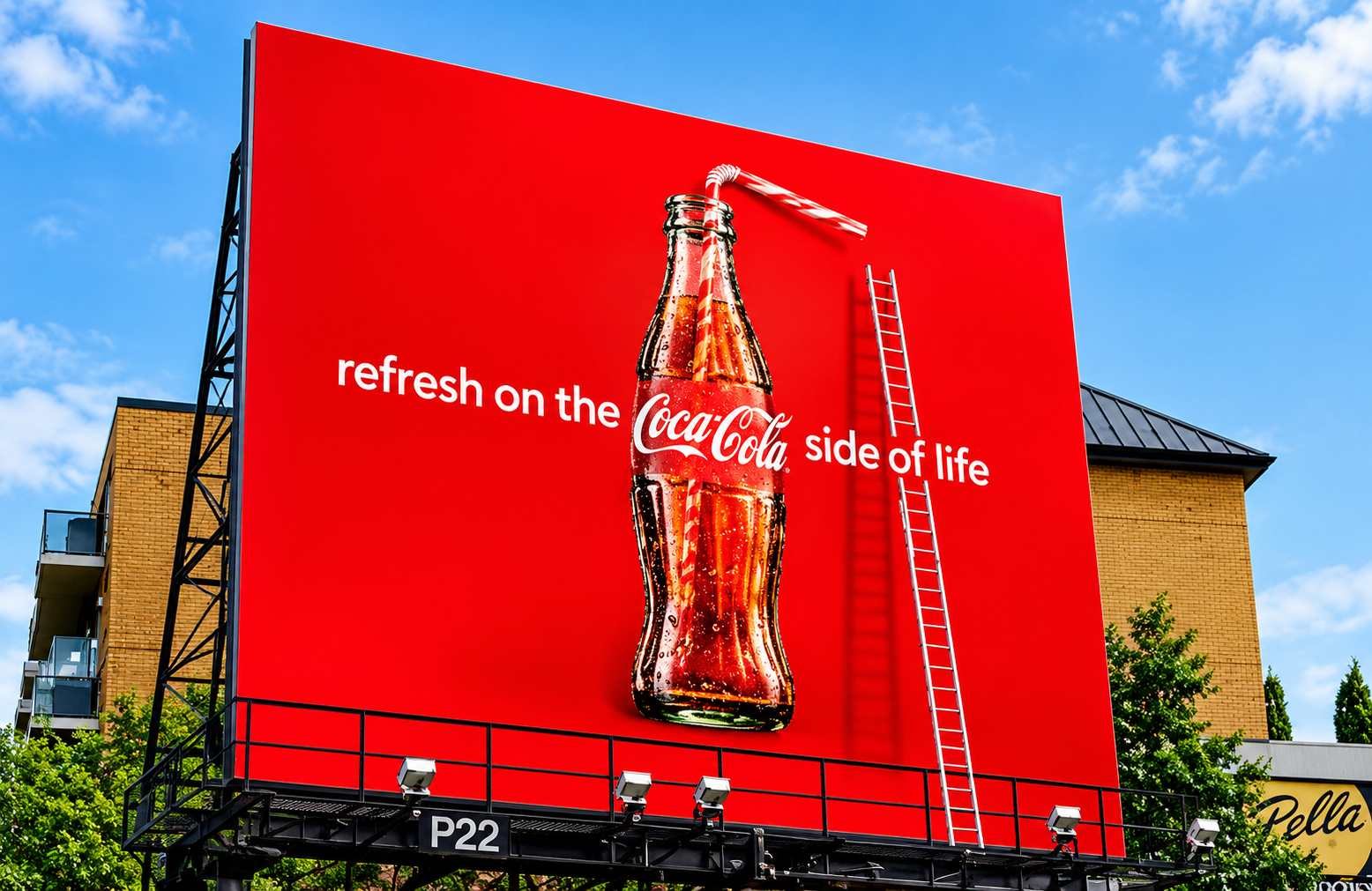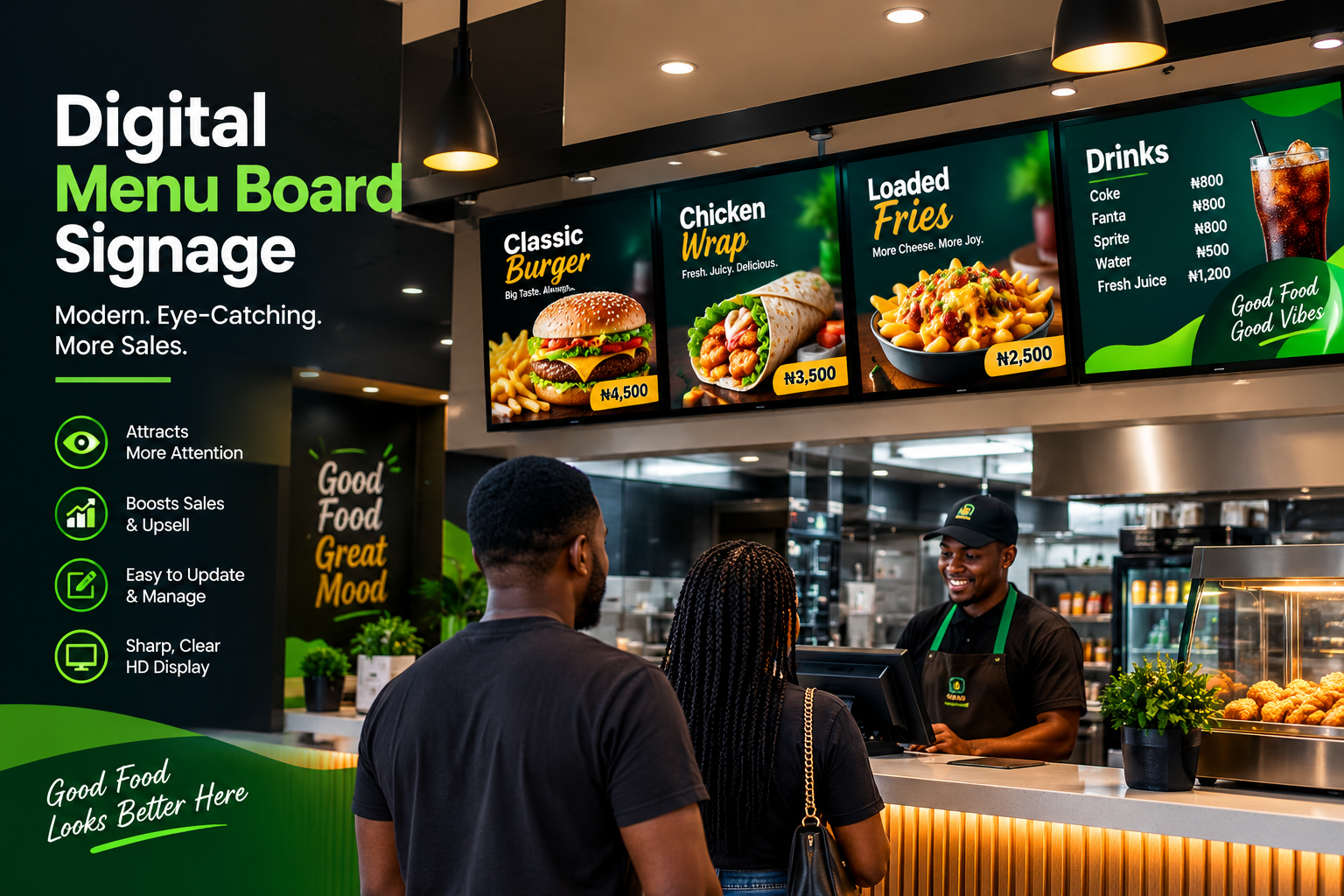

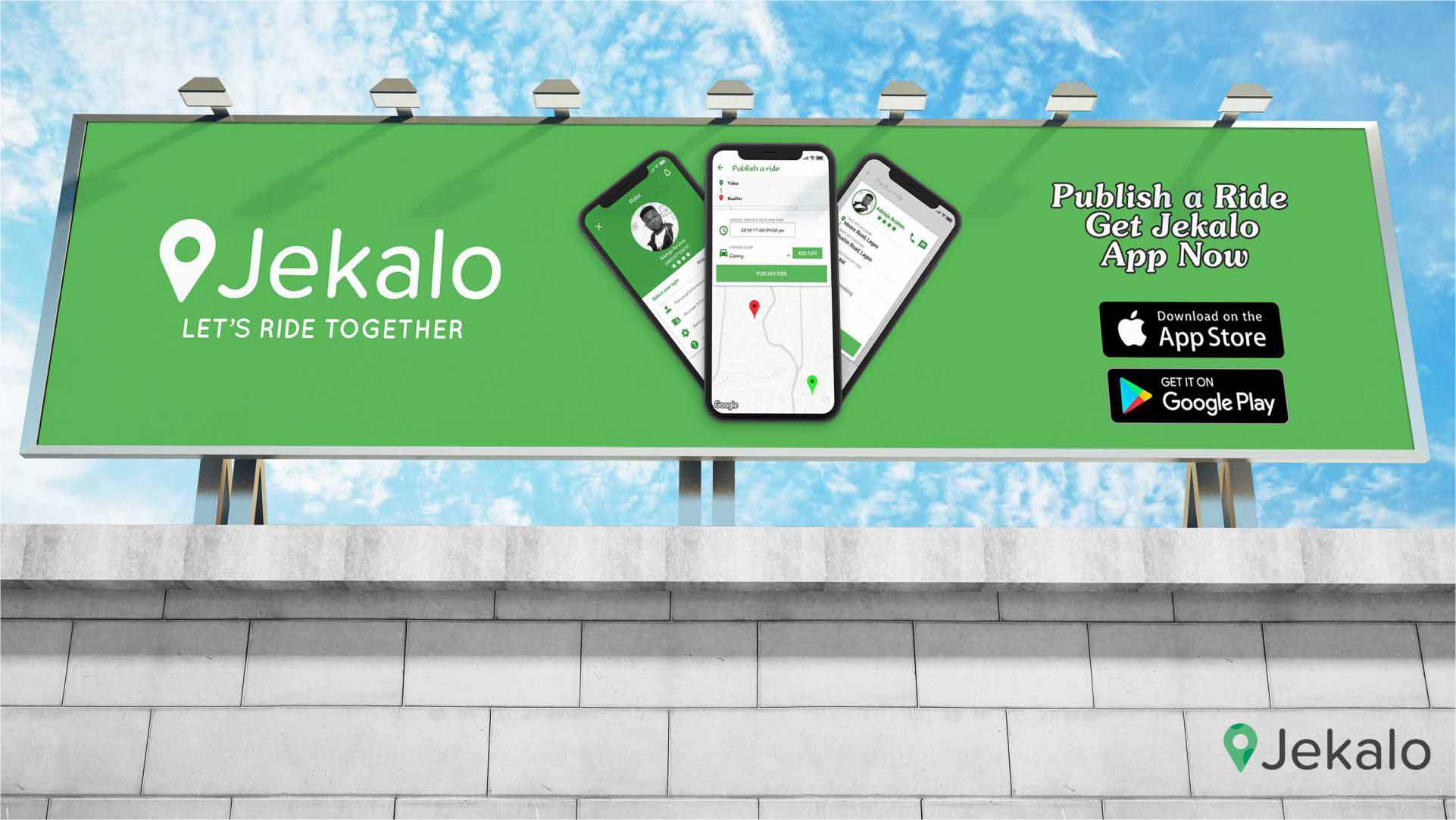
The communication landscape is undergoing a radical shift. The days of static posters and simple slideshows are long gone. Today, Digital Signage is not merely a screen displaying information; it is a dynamic, intelligent, and essential component of the modern physical and corporate environment.
In an era defined by instantaneous digital experiences, physical spaces from retail stores and corporate offices to public transport hubs must work harder to capture attention. Interactive Signage and sophisticated Digital Signage solutions have become the crucial bridge, linking the immersive world of online data with the tangible engagement of the real world.
This blog post explores the critical Digital and Interactive Signage Trends that are defining the market, driving unparalleled customer experience (CX), and maximizing the return on investment (ROI) for organizations worldwide.
The market is currently accelerating, driven by advancements in machine learning, affordable high-definition hardware, and a post-pandemic necessity for flexible, touchless interactions. These are the five core trends shaping the future of signage:
The single most disruptive force in Digital Signage today is the deep integration of Artificial Intelligence (AI) and Machine Learning (ML). This goes far beyond basic scheduling; it’s about creating truly intelligent displays.
AI enables systems to analyze real-time variables to determine the optimal content to display at any given moment. This analysis includes:
The result? A seamless shift toward Programmatic Digital out-of-Home (pDOOH) advertising, where media space is bought and sold based on specific, real-time audience criteria, maximizing advertising effectiveness and reducing wasted impressions.
While Interactive Signage once meant mandatory touchscreen kiosks, the modern definition emphasizes hygiene, accessibility, and smartphone integration. The pandemic accelerated the demand for touchless interfaces, making physical interaction optional rather than mandatory.
This advancement has dramatically improved overall Customer Experience (CX) by removing friction and ensuring displays are accessible to a wider demographic.
Cost and technological barriers that once limited spectacular visuals are rapidly dissolving. High-pixel-density LED technology is making huge leaps, becoming the standard for impactful visual communication.
Traditional LCD video walls are increasingly being superseded by seamless LED displays.
This hardware evolution is crucial for achieving high-impact visuals in bright environments and ensuring reliable, long-term performance.
Personalization is no longer limited to online browsing; it’s now the expected standard for physical interactions. Digital Signage is playing a vital role in unifying the online and offline customer journey.
Leading retailers and service providers are integrating their Content Management Systems (CMS) for signage directly with customer relationship management (CRM) and loyalty programs.
This level of contextual awareness moves signage from display to personalized concierge.
As organizations commit to Environmental, Social, and Governance (ESG) goals, the longevity and power consumption of digital infrastructure come under intense scrutiny. Future Signage Trends prioritize eco-friendly solutions.
The adoption of advanced Interactive Signage is critical across several key verticals:
| Sector | Core Signage Application | Key Trend Driving Value |
|---|---|---|
| Retail | Digital product catalogs, smart mirrors, personalized promotions, and Queue Management Systems. | AI and Hyper-Personalization (driving impulse purchases). |
| Corporate Communications | Internal news feeds, employee emergency alerts, interactive wayfinding, and meeting room booking panels. | Touchless Interactivity (improving efficiency and hygiene). |
| Transportation/Aviation | Real-time flight/train status updates, gate changes, and emergency messaging systems. | Large-Format LED (ensuring clarity in high-traffic, bright environments). |
| Healthcare | Interactive directories, waiting room information displays, and virtual check-in kiosks. | Security and Data Integration (ensuring HIPAA compliance and personalization). |
In every sector, the goal remains the same: transforming passive observers into active participants in a dynamic environment facilitated by intelligent display technology.
For businesses looking to capitalize on these Digital Signage Trends, a strategic approach is vital. Simply installing a new screen is not enough; success relies on the ecosystem supporting it.
The CMS is the heart of the operation. It must be cloud-based, scalable, and capable of integrating with third-party data sources (CRM, IoT sensors, weather APIs) to power true Dynamic Content Optimization. Look for platforms that offer intuitive user interfaces and strong remote management tools.
The best screen in the world is useless with poor content. Content must be designed for short attention spans, optimized for the specific context in which it operates, and tailored for specific audience segments based on the insights provided by AI.
As Interactive Signage integrates deeper into corporate networks and handles real-time customer data, robust cybersecurity protocols are essential to protect both customer privacy and network integrity.
At Signfix Industrial Limited, we recognize that the future of Digital and Interactive Signage goes far beyond static information displays, it’s about transforming screens into intelligent communication hubs. By integrating cutting-edge technologies such as AI-driven personalization, touchless interaction, and high-impact LED systems, we help businesses create environments that are not only engaging and efficient but also future-ready.
For us, investing in these innovations isn’t just about adopting new technology, it’s about enhancing the Customer Experience (CX), driving deeper engagement, and positioning brands at the forefront of the digital transformation shaping physical spaces today.