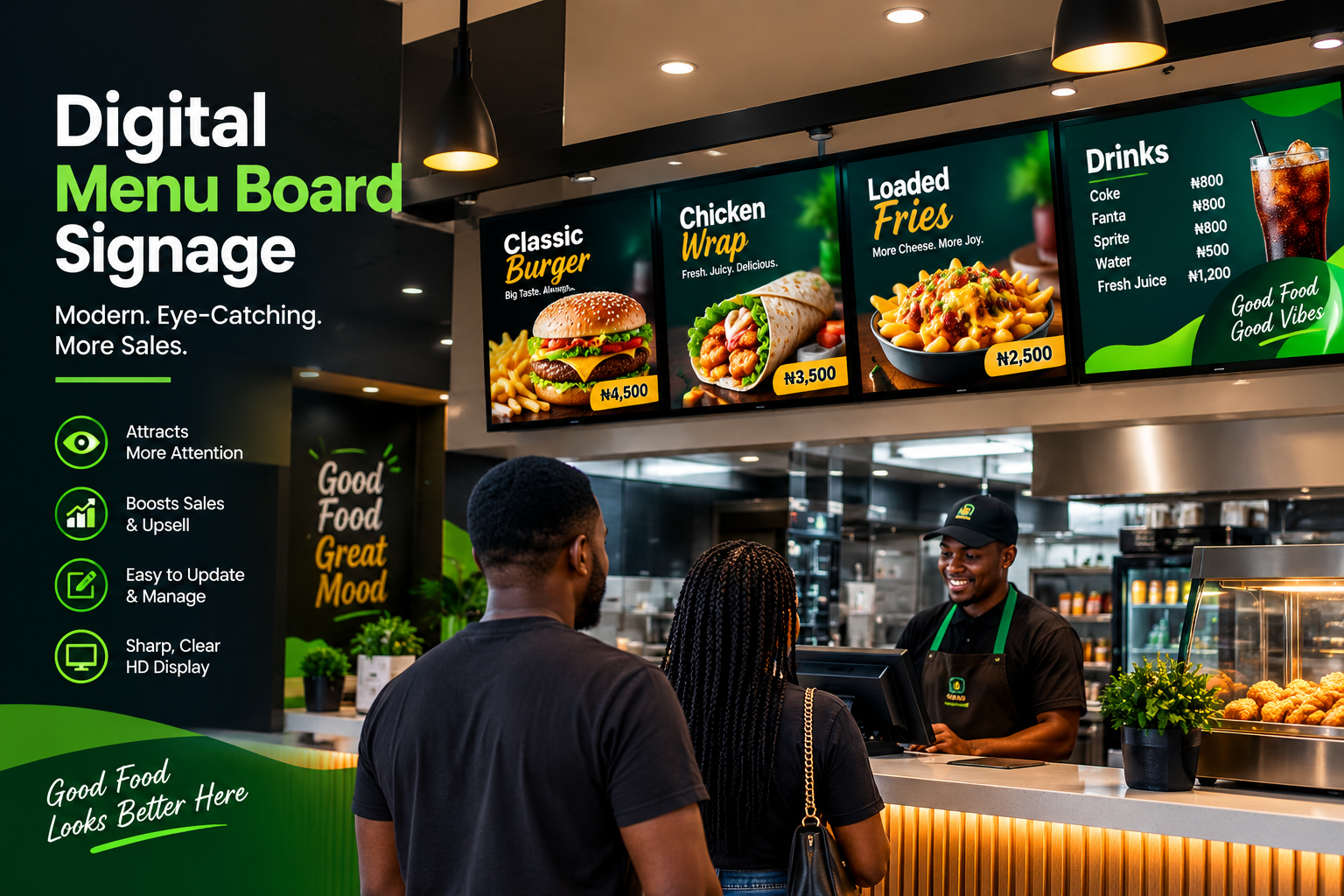
The retail landscape is in constant flux. Gone are the days of a stark divide between the brick-and-mortar store and the online marketplace. Today, we live in the era of the omnichannel retail experience, where customers seamlessly move between physical and digital touchpoints. This convergence, often referred to as hybrid spaces, presents exciting new opportunities and unique challenges. One crucial, yet often overlooked, element in optimizing these hybrid environments is e-commerce signage.
Think about it: you’re browsing in a physical store, a product catches your eye. You want to know more, its availability in other sizes or colors, customer reviews, or even to compare prices online. Or perhaps you’re at home, eyeing a particular item on a retailer’s website, and you wish you could get a quick, tangible sense of its quality or dimensions before clicking “add to cart.” E-commerce signage is the silent salesperson, the digital handshake, that bridges this gap, enriching the customer journey and driving sales across all channels.
This blog post will delve deep into the power of e-commerce signage in hybrid spaces. We’ll explore its various forms, its benefits for both businesses and customers, and provide actionable strategies for implementing effective signage that boosts engagement and converts browsers into buyers.
What Exactly is E-commerce Signage in Hybrid Spaces?
Unlike traditional static signage that simply announces products or promotions, e-commerce signage integrates digital elements and online information directly into the physical retail environment, or vice-versa. It’s about leveraging technology to make the physical and digital shopping experiences complementary and informative.
Here are some key examples of e-commerce signage in action:
- QR Codes: The ubiquitous QR code has become a cornerstone of hybrid retail. Placed on product tags, shelves, window displays, or even on receipts, these scannable codes can link customers to:
- Product pages on the e-commerce website
- Detailed product information (specifications, videos, tutorials)
- Customer reviews and ratings
- Inventory availability at other locations or online
- Exclusive online promotions and discounts
- Augmented Reality (AR) experiences to visualize products in their own space.
- Interactive Digital Displays: These dynamic screens can offer a wealth of information and engagement, such as:
- Endless Aisle Displays: Allowing customers to browse and order items not currently stocked in the physical store.
- Interactive Catalogs: Digital versions of product catalogs that can be navigated with a touch.
- Personalized Recommendations: Based on browsing history or loyalty program data.
- Click-and-Collect Information: Guiding customers to pick up their online orders.
- Promotional Videos and Social Media Feeds: Creating an engaging and up-to-date atmosphere.
- Augmented Reality (AR) Experiences: While not strictly “signage” in the traditional sense, AR overlays via in-store tablets or customer smartphones act as a powerful digital layer. Imagine pointing your phone at a piece of furniture and seeing how it would look in your living room, or at a makeup product and virtually trying it on.
- Smart Shelves and Digital Price Tags: These go beyond static price labels, offering dynamic pricing, real-time stock information, and even product comparisons or related item suggestions directly at the point of display.
- “Scan & Go” Stations/Signage: Encouraging customers to use their own devices or provided scanners to bypass checkout lines, streamlining the purchase process for both in-store and online orders.
- In-Store Online Order Fulfillment Points: Clearly designated areas with signage for customers to pick up their e-commerce purchases, seamlessly integrating online and offline logistics.
The Power of Synergy: Benefits of E-commerce Signage
Implementing effective e-commerce signage isn’t just a trend; it’s a strategic move that yields significant benefits for retailers and customers alike.
For Businesses:
- Increased Sales and Conversion Rates: By providing instant access to more information, addressing potential purchase barriers, and offering convenient purchasing options, e-commerce signage directly contributes to more completed transactions.
- Enhanced Customer Experience: Customers feel empowered and informed when they have easy access to the data they need. This leads to higher satisfaction, increased loyalty, and positive word-of-mouth referrals.
- Reduced Cart Abandonment: For those browsing online, AR experiences and detailed product information can alleviate concerns about size, fit, or appearance, reducing the likelihood of abandoning their virtual carts.
- Inventory Management Optimization: “Endless aisle” solutions and real-time stock displays help manage inventory more effectively, reducing overstocking and stockouts.
- Valuable Customer Data Collection: Interactive displays and app-based interactions can provide insights into customer behavior, preferences, and engagement, informing future marketing and product development strategies.
- Cost-Effectiveness: Digital signage can be updated remotely and instantaneously, reducing the costs associated with printing and distributing traditional promotional materials.
- Brand Differentiation: Innovative use of e-commerce signage can set your brand apart from competitors, creating a memorable and modern shopping experience.
- Bridging the Physical and Digital Divide: It breaks down the silos between your online and offline presence, creating a unified and cohesive brand experience.
For Customers:
- Instant Access to Information: No more searching for sales associates or waiting for answers. Information on pricing, availability, reviews, and specifications is at their fingertips.
- Convenience and Speed: Features like “Scan & Go” and clear click-and-collect signage streamline the shopping process.
- Informed Purchasing Decisions: Access to detailed product information, comparisons, and reviews empowers customers to make confident choices.
- Enhanced Engagement: Interactive displays and AR experiences make shopping more fun and immersive.
- Discovery of More Products: “Endless aisle” solutions allow customers to explore a wider product range than what’s physically available.
- Personalized Shopping Journey: Tailored recommendations and targeted promotions enhance the overall experience.
Strategies for Effective E-commerce Signage Implementation
Simply placing a QR code on a shelf isn’t enough. To truly harness the power of e-commerce signage, a strategic and thoughtful approach is essential.
- Define Your Goals: What do you want to achieve with your signage? Are you looking to increase online sales, improve in-store traffic, gather customer data, or streamline operations? Clearly defined goals will guide your implementation.
- Understand Your Audience: Who are your customers? What are their tech savviness levels? What information do they typically seek? Tailor your signage solutions to their needs and preferences.
- Choose the Right Technology:
- QR Codes: Ideal for quick links to specific product pages, promotional offers, or social media. Ensure they are prominently placed and easy to scan.
- Interactive Displays: Best for richer content, “endless aisle” solutions, and customer engagement. Consider touch screen capabilities and user-friendly interfaces.
- AR: For products where visualization is key (e.g., furniture, apparel, home décor). This requires a robust app or web-based AR solution.
- NFC Tags: Offer a more seamless tapping experience than QR codes for certain applications, but require customers to have NFC-enabled devices.
- Content is King (and Queen):
- High-Quality Visuals: Ensure product images and videos are sharp, professional, and accurately represent the items.
- Concise and Clear Messaging: Information should be easy to understand at a glance.
- Up-to-Date Information: Regularly update pricing, stock levels, and promotional details to maintain credibility.
- Call to Actions (CTAs): Clearly guide customers on what to do next (e.g., “Scan to Learn More,” “Tap to Try On,” “Order Online for Free Shipping”).
- Strategic Placement:
- High-Traffic Areas: Entranceways, aisles, near fitting rooms, and checkout counters are prime locations.
- Point of Decision: Place signage where customers are likely to make a purchase decision.
- Clear Sightlines: Ensure signage is easily visible and not obstructed.
- Seamless Integration:
- Mobile-First Design: Ensure all linked online content is optimized for mobile devices.
- Consistent Branding: Maintain consistent branding and messaging across all physical and digital touchpoints.
- Integration with Existing Systems: Ensure your signage solutions integrate with your inventory management and CRM systems for real-time data.
- Promote Your Signage: Let customers know about the digital resources available to them. Use in-store announcements, social media, and email marketing to highlight the benefits of your e-commerce signage.
- Measure and Iterate: Track the performance of your signage. Analyze data on clicks, conversions, and customer engagement. Use this information to refine your strategy and optimize your signage for even better results.
The Future is Hybrid, and Signage is the Connector
The lines between online and offline shopping will continue to blur. Retail spaces are no longer just showrooms; they are experience hubs, fulfillment centers, and brand immersion zones. E-commerce signage is the essential technology that empowers these hybrid spaces, making them more intuitive, engaging, and ultimately, more profitable.
By investing in smart, strategic e-commerce signage, retailers can:
- Create a truly unified customer journey.
- Empower customers with information and convenience.
- Drive sales and build lasting loyalty.
- Stay ahead of the curve in an ever-evolving retail landscape.
At Signfix Industrial Limited, we don’t let your physical and digital storefronts exist in isolation. Let e-commerce signage be the bridge that connects them, creating a seamless, satisfying, and successful shopping experience for everyone.