
Every step a visitor takes inside a building or public space should tell a story preferably one aligned with your brand. Wayfinding signage isn’t just about arrows and names; it’s a crucial touchpoint where design, navigation, and brand values intersect.
In Nigerian airports, malls, schools, hospitals, and corporate environments, well designed wayfinding signage can significantly enhance visitor experience and earn your brand credibility and trust.
If you’re managing a public space, retail center, or corporate campus, crafting signage that guides and impresses matters more than ever.
Branded wayfinding signage refers to navigational signs map directories, directional arrows, floor identifiers designed to reflect a brand’s visual identity (colors, font, logo) while guiding people effectively.
Instead of generic sign boards, each element from icons, material, light, typography, and placement is designed strategically to reinforce brand consistency while reducing visitor confusion.
In busy environments airports like Murtala Muhammed or retail malls in Lagos clear navigation reduces stress and frustration. Branded signs add familiarity, helping visitors feel grounded within your space.
Signage integrated with your brand language communicates attention to detail and reliability especially in hospitals, universities, or corporate buildings.
Signage that follows design standards icons, braille, high contrast improves accessibility. It’s not just good design; it’s responsible branding too.
Understand routes your visitors take: entrances, elevators, service desks, restrooms. Map out common journeys and design signs at decisional points places people hesitate or ask directions.
Use your brand color palette across all signs. If your corporate palette includes teal and white, continue across arrow signs, map boards, and digital kiosks. Font, tone, and spacing should echo your brand guideline.
Simple pictograms and concise wording (e.g., “Reception →”, “Exit” symbol) save mental effort. Pictograms should follow international conventions and remain readable at distance. High contrast combinations (white on dark or dark on white) enhance legibility.
Choose materials that align with your brand values and environment. For indoor wayfinding acrylic, metal plated panels, brushed stainless, matte laminates offer professional appeal. Outdoor durable environments call for UV-resistant prints and CNC routed metal or PVC.
Interior spaces need well lit signs with LED backlighting, halo lit letters, or overhead spot lighting. At night, external directional signs and building identifiers should be illuminated for visibility and brand recognition.
Document entry points, exits, confusing junctions, and high traffic paths.
Define scenarios: “first time visitor entering from front gate,” “visitor looking for stairs,” or “customer searching for the restroom.”
Standardize sizes, colors, fonts (e.g., your two brand colors plus shades if needed), and icons across all sign types: directional posts, wall mounted arrows, map rooms, elevator directories.
Create mock ups, walk the space, ask colleagues or outsiders to navigate validate clarity.
Use strategic angles, avoid obstruction, test in low light. Follow up after installation to adjust where people still hesitate.
At healthcare facilities, branded wayfinding can reduce patient stress. Directional signs to wards, labs, billing, or pharmacies help patients and visitors navigate efficiently and the color consistency reinforces trust and clarity.
Wayfinding boards that incorporate mall logos, store directories, and clear arrows elevate user ease and brand image. Digital directories with touchscreens enhance interactivity and retail engagement.
In universities like UNILAG or ABU Campus, branded directional signs help new students, visitors, or event attendees trace their routes easily. Signs may include maps along with faculty names, event schedules and school emblems.
For corporate headquarters, branded signage for parking, meeting rooms, visitor entrances, and canteens ensures visitors and employees move with confidence within your environment.
*Acrylic Panels: Crisp, modern, durable and great for indoor wayfinding.
*CNC Cut Metal Signs: Premium feel, especially when painted in brand colors or powder coated.
*LED Illuminated Signs: Essential for high end branding at night.
*Digital Touch Kiosks: Offers dynamic, updateable maps and directories ideal for large spaces or frequently changing setups.
*Braille & Tactile Panels: Enhances accessibility and compliance with international standards.
*Improved Customer Satisfaction: Decreased confusion leads to a more positive brand association.
*Reduced Staff Interruptions: Fewer directional queries equate to better focus on high-value tasks.
*Stronger Brand Identity: Consistent visual language across signs reinforces retention and loyalty.
*Cost effective Over Time: Modular or changeable signage (e.g., vinyl overlays or digital screens) allow updates without full replacements.
*Accessibility Compliance: Inclusive signage reflects positively on organization image.
*Overcrowded Design: Too many icons or tiny text confuses. Keep directions minimal.
*Misaligned Branding: Inconsistent fonts or brand colors break cohesion.
*Wrong Placement Height: Signs too high or low create visibility issues opt for 4 to 6 ft from floor for typical eye level.
*Ignoring Maintenance: Regular cleaning and light checks sustain professional presentation.
*Non Accessible Signs: Missed braille or poor contrast limits usability for visually-impaired users.
Branded wayfinding signage is more than directional tools—it’s a strategic brand asset. When designed with brand consistency and user insight, wayfinding signs help visitors move easily, feel confident, and remember your brand for professionalism and thoughtfulness.
Nigeria’s public venues, retail hubs, and corporate spaces deserve signage that guides and speaks with brand clarity. Get started by auditing your space, applying consistent design principles, and watching how purposeful navigation transforms the customer experience.
Thinking about branded wayfinding signage on your campus, retail space, or corporate environment? Reach out now for a professional wayfinding design audit tailored to align with your brand and increase visitor satisfaction.

How to Design Promotions Customers Can’t Ignore End-of-year sales are
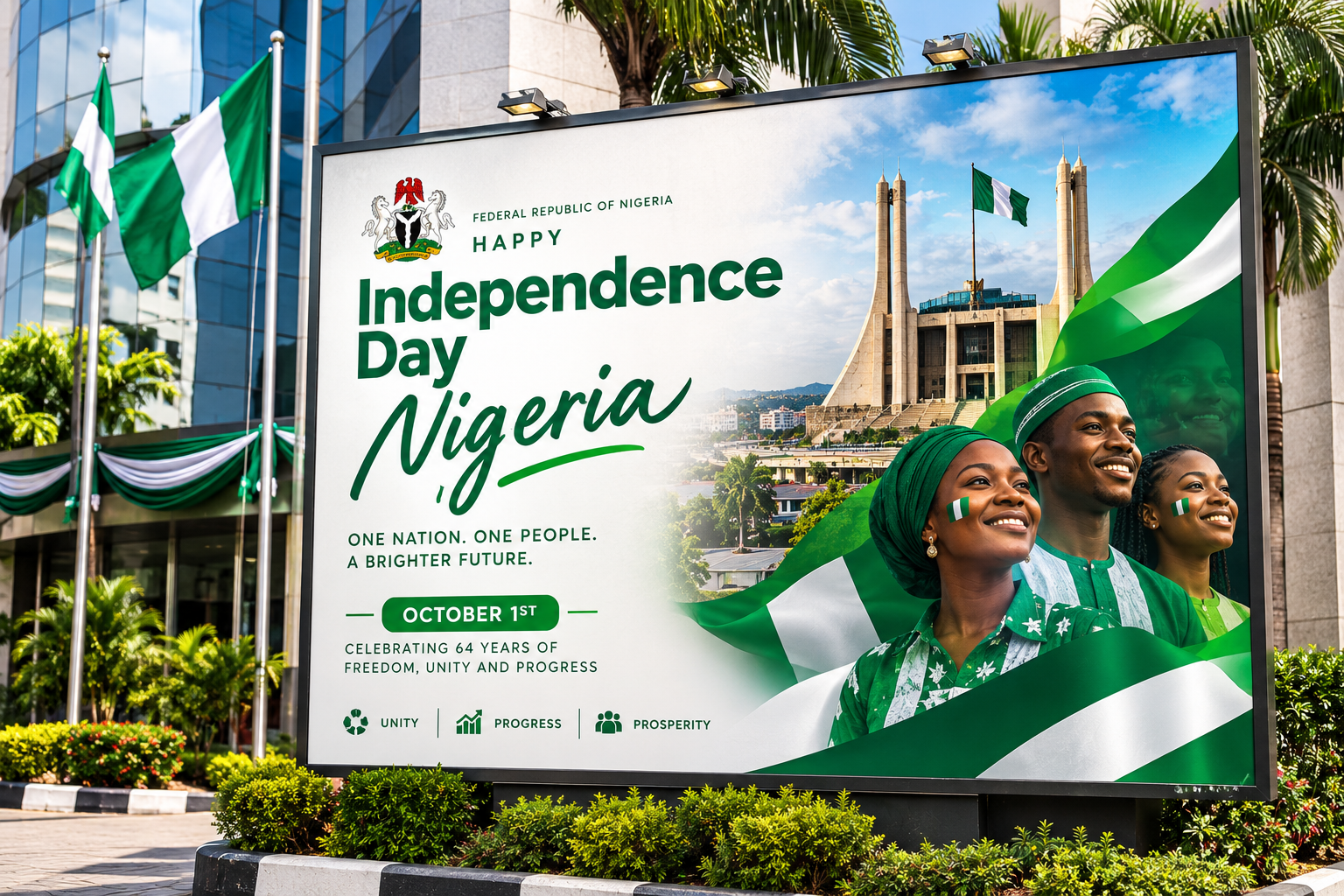
Every year, as October 1st approaches, Nigeria comes alive in