
University campuses are among the most complex environments to navigate. With multiple faculties, lecture halls, hostels, administrative blocks, libraries, sports facilities, and parking areas often spread across dozens of hectares, even returning students can occasionally lose their way. For new students, visiting parents, and prospective applicants, a confusing campus layout can create frustration before a single lecture even begins.
Effective wayfinding signage solves this problem by guiding people intuitively from one part of campus to another, reducing confusion, saving time, and reflecting positively on the institution’s overall organization and professionalism. This guide explores what makes university wayfinding signage effective and how institutions can design systems that genuinely work for the diverse population moving through campus every day.
Unlike a single office building or retail store, university campuses combine several layers of complexity:
– Multiple entry points, often used by pedestrians, cyclists, and vehicles simultaneously
– A constantly changing population, with new students arriving every academic year unfamiliar with the layout
– Buildings that may share similar names or numbering systems, increasing the risk of confusion
– Large distances between key locations, meaning wrong turns cost significant time
– A mix of permanent and temporary events, such as exam halls or orientation programs, that require flexible signage solutions
Because of this complexity, campus wayfinding needs to work as a complete system rather than a collection of standalone signs.
*Entrance and Orientation Signage
The first signs a visitor encounters should clearly establish where they are and offer a simple overview of the campus layout. Large map boards near main entrances, parking areas, and transportation drop-off points help set the tone for easy navigation.
*Directional Signage
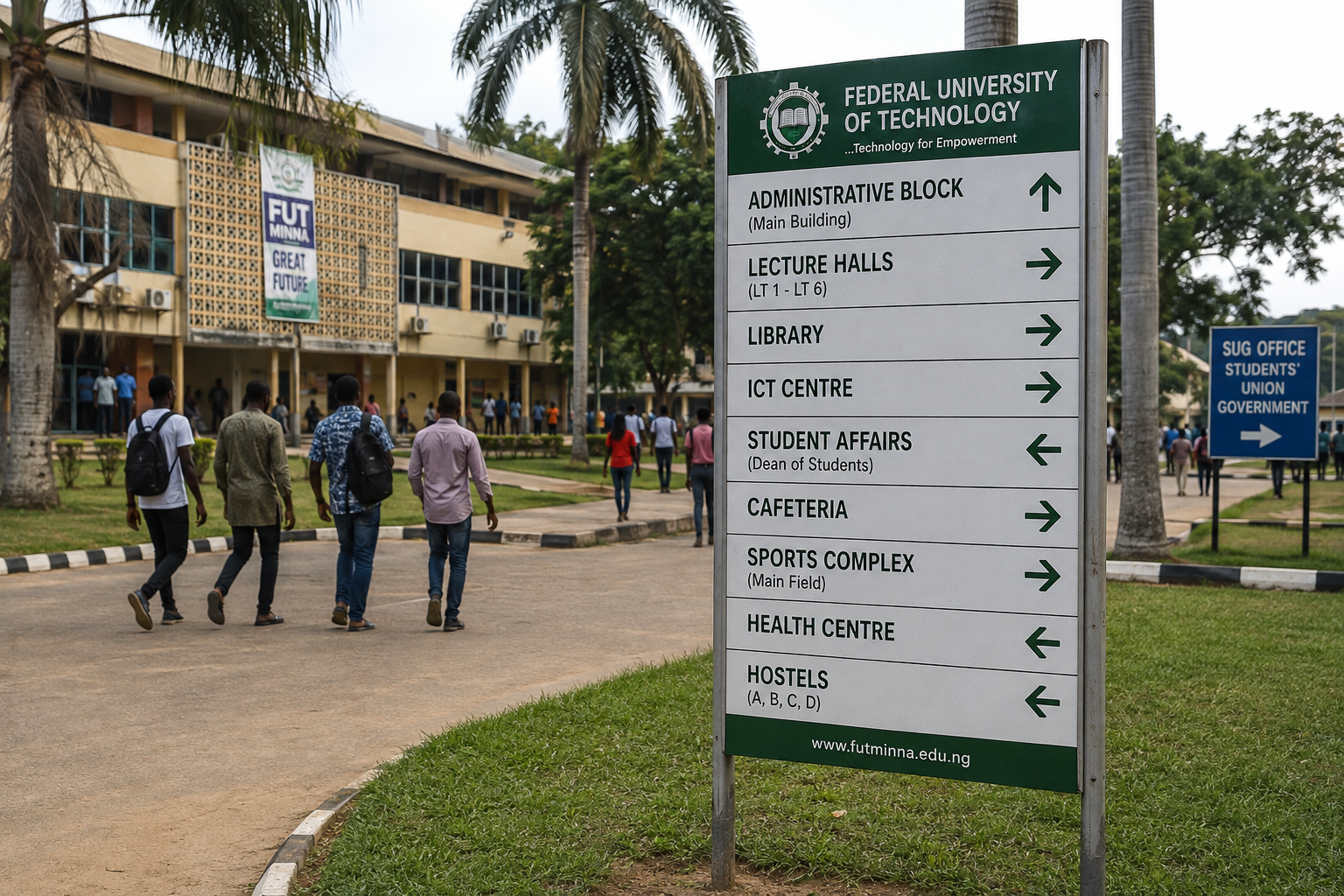
Clear directional signs at key decision points — intersections, building entrances, and pathway junctions — guide people step by step toward their destination. These should use simple, consistent icons and arrows rather than relying purely on text, since many campus visitors may not be fluent in the primary instructional language.
*Building Identification Signage
Each building needs clear, legible identification visible from a reasonable distance, ideally including both the building name and its primary function (e.g., “Faculty of Engineering” rather than just a building number).
*Departmental and Room-Level Signage
Inside buildings, consistent room numbering and department signage prevents the common experience of finding the right building but still getting lost inside it.
*Emergency and Safety Signage
Given the size and population density of most campuses, clear emergency exit routes, assembly points, and safety information must be integrated into the overall wayfinding system, not treated as a separate afterthought.
Consistency Across the Entire Campus
Wayfinding only works if it’s consistent. Mixing sign styles, fonts, and color systems across different buildings or departments creates confusion rather than clarity. A unified design language should be maintained campus-wide, even as new buildings are added over time.
*Color-Coding by Zone
Larger campuses benefit significantly from color-coding different zones or faculties. Associating each area with a specific color on maps and directional signs allows visitors to quickly recognize which zone they’re in or heading toward, even without reading every word.
*Readable at a Distance and in Motion
Most people view campus signage while walking, cycling, or driving, not standing still. Fonts, icons, and colors need to be legible at a distance and quickly understandable within a few seconds of viewing.
*Multilingual and Symbol-Based Elements
Given the diversity of students, staff, and international visitors on many Nigerian university campuses, incorporating universally recognized symbols alongside text improves accessibility for non-native speakers and visitors unfamiliar with local language conventions.
Addressing High-Traffic and Peak Period Challenges
Universities experience predictable peak periods — the start of each semester, registration weeks, and examination periods — when wayfinding needs become especially critical. During these times:
– Temporary directional signage can help manage the flow of new students unfamiliar with the campus
– Additional signage near examination halls reduces last-minute stress and late arrivals
– Clear signage at hostels and administrative offices during registration periods reduces bottlenecks and staff workload answering repetitive directional questions
Planning for these predictable peak periods, rather than relying solely on permanent signage, significantly improves the overall campus experience during the busiest weeks of the academic calendar.
Many universities are increasingly supplementing physical signage with digital wayfinding tools, such as:
– Interactive touchscreen directories at major entrances or transport hubs
– QR codes on physical signs linking to detailed digital campus maps
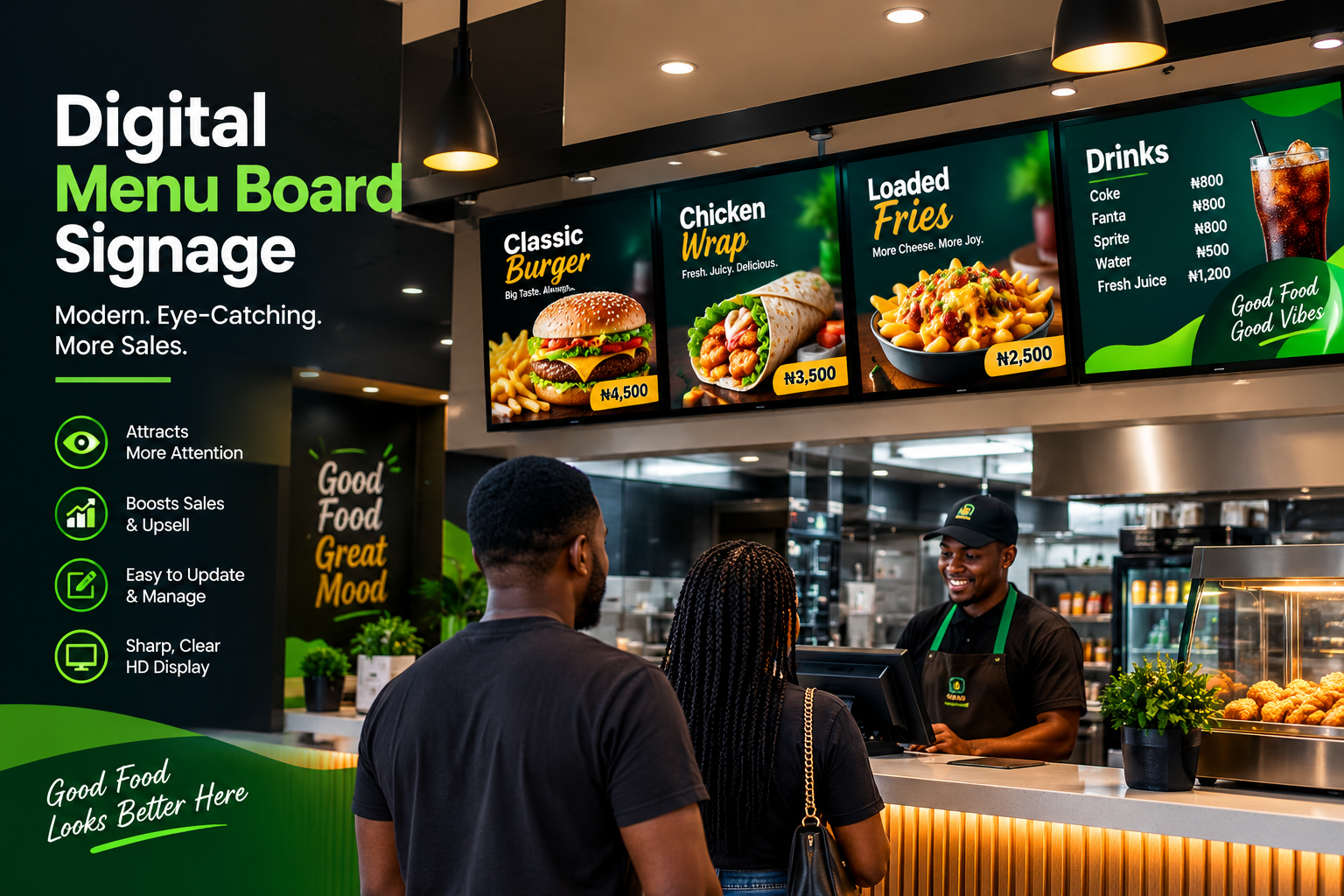
– Digital displays near administrative buildings showing real-time event locations or room changes
These tools work best as a complement to strong physical signage, not a replacement, since not every visitor will have reliable internet access or a smartphone readily available while navigating campus.
Even well-funded campuses often fall into a few recurring signage traps:
– Inconsistent naming conventions, where signs, maps, and building directories use different names for the same location
– Sign clutter, with too many overlapping notices competing for attention at key decision points
– Outdated maps, left unchanged after new buildings are constructed or old ones are repurposed
– Poor placement, with directional signs positioned after a decision point rather than before it, leaving visitors to guess and correct their path
– Neglecting maintenance, allowing faded, damaged, or missing signs to persist for months without repair
Clear, consistent wayfinding signage transforms a university campus from a confusing maze into a navigable, welcoming environment for students, staff, and visitors alike. By combining strong entrance orientation, consistent directional systems, thoughtful color-coding, and attention to peak-period needs, institutions can significantly reduce confusion, save time, and reinforce a professional, well-organized image across the entire campus.
Designing wayfinding systems for large, complex environments like university campuses requires careful planning and proven expertise, and that’s exactly what SignFix Industrial Limited delivers. With over a decade of experience providing signage and branding solutions across Nigeria and beyond, SignFix helps educational institutions design consistent, durable, and easy-to-navigate wayfinding systems tailored to their unique campus layout. From entrance signage and building identification to interactive directories and emergency signage, our team manages every stage from design through installation and ongoing maintenance. Whether you’re upgrading an existing campus or planning signage for new facilities, SignFix brings the reliability and local expertise Nigerian institutions trust.
Contact Us
📧 support@signfix.ng | info@signfix.ng
📞 Call Us: +234 903 336 6660