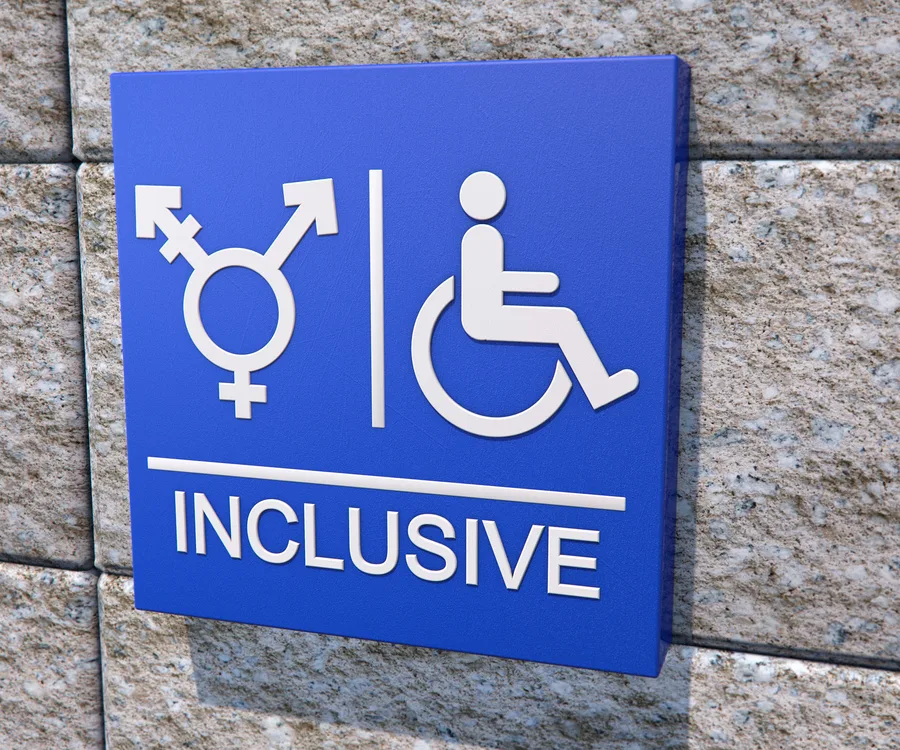
In today’s business environment, signage is no longer just about branding or visibility, it is also about accessibility, inclusion, and compliance. Businesses that ignore accessibility in their signage risk excluding customers, damaging their reputation, and in some regions, facing regulatory penalties.
Accessible signage ensures that people with visual, mobility, cognitive, and hearing impairments can navigate spaces safely and independently. Inclusive design goes beyond legal compliance — it reflects empathy, professionalism, and forward-thinking leadership.
For commercial complexes, hospitals, shopping malls, banks, schools, hotels, government offices, and corporate headquarters, accessible signage is becoming a standard expectation, not an optional upgrade.
* What ADA and inclusive signage means
* Why accessibility matters for modern businesses
* Design principles for readable and inclusive signs
* Materials and technical requirements
* Compliance considerations
* Common mistakes to avoid
* Business benefits of accessible signage
* Why partnering with the right signage company matters
ADA refers to the Americans with Disabilities Act, a law that sets standards for accessibility in the United States. While ADA is a U.S. regulation, its principles have influenced global accessibility standards.
Even in countries outside the U.S., similar accessibility guidelines are increasingly enforced in:
* Public buildings
* Corporate offices
* Healthcare facilities
* Educational institutions
* Transportation hubs
* Retail centers
The goal is simple: create environments that everyone can navigate independently.
Inclusive signage goes beyond legal requirements. It focuses on:
* Readability
* Ease of understanding
* Physical accessibility
* Cultural neutrality
* Universal symbols
It ensures that signage works for:
* People with visual impairments
* People with color blindness
* Wheelchair users
* Elderly individuals
* People with cognitive disabilities
* Non-native language speakers
Inclusive signage design improves usability for everyone, not just people with disabilities.
1. Expands Your Customer Base
Over 15% of the world’s population lives with some form of disability. When your signage is inclusive:
* More people can access your business
* Navigation becomes easier
* Customer frustration reduces
* Brand perception improves
Accessible signage is not charity, it is smart business strategy.
2. Enhances Brand Reputation
Businesses that prioritize inclusion are seen as:
* Professional
* Responsible
* Ethical
* Customer-focused
Customers are more likely to support brands that demonstrate social responsibility.
3. Reduces Legal Risk
In regions with accessibility regulations, non-compliant signage can result in:
* Fines
* Lawsuits
* Mandatory redesign costs
* Public criticism
Designing correctly from the beginning prevents expensive corrections later.
4. Improves Wayfinding Efficiency
Inclusive signage improves:
* Traffic flow
* Visitor experience
* Operational efficiency
* Emergency response clarity
Clear signage reduces confusion and enhances safety.
Designing accessible signage requires technical precision and strategic thinking.
1. Legible Typography
•Font Selection
Use sans-serif fonts such as:
* Arial
* Helvetica
* Calibri
Avoid:
* Decorative fonts
* Script fonts
* Compressed lettering
* Overly stylized typefaces
•Character Height
Text size must match viewing distance. Larger spaces require larger letter heights to maintain readability.
•Spacing
Proper spacing between letters and lines improves clarity, especially for visually impaired individuals.
2. High Color Contrast
Contrast is one of the most important factors in accessible signage.
Best practices:
* Dark text on light background
* Light text on dark background
* Avoid low-contrast combinations
* Avoid relying solely on color to convey meaning
Example:
Black text on white background is highly readable.
Avoid:
Yellow text on white background.
3. Braille & Raised Characters
Tactile signage is essential in:
* Elevators
* Restrooms
* Room numbers
* Exit signs
Requirements:
* Raised characters
* Grade 2 Braille
* Non-glare surface finish
* Mounted at accessible heights
This allows visually impaired individuals to read signs through touch.
4. Mounting Height & Placement
Accessible signs must be:
* Installed at reachable heights
* Positioned consistently
* Placed beside doorways (not directly on doors)
* Unobstructed by furniture or decorations
Improper placement makes even well-designed signage ineffective.
5. Use of Universal Symbols
Symbols improve comprehension for:
* Non-native speakers
* People with reading difficulties
* Children
Examples include:
* Wheelchair accessibility symbol
* Restroom icons
* Emergency exit symbols
* Elevator symbols
Universal icons reduce reliance on text.
6. Non-Glare Materials
Shiny finishes create reflection problems for people with low vision.
Recommended materials:
* Matte acrylic
* Brushed aluminum
* Anti-glare laminates
Glare reduction significantly improves readability.
Accessible signage must consider various types of impairments.
•Visual Impairments
Solutions include:
* High contrast
* Large font sizes
* Braille
* Raised lettering
* Clear lighting
•Mobility Impairments
Ensure:
* Sign placement within reach
* Clear paths to signage
* Proper height positioning
•Cognitive Disabilities
Use:
* Simple wording
* Clear symbols
* Logical layout
* Minimal clutter
Complex messaging increases confusion.
•Hearing Impairments
For digital signage:
* Use captions
* Avoid audio-only announcements
* Include visual alerts
Wayfinding signage includes:
* Directional signs
* Floor directories
* Parking guidance
* Department indicators
Accessible wayfinding improves:
* Visitor satisfaction
* Brand perception
* Operational flow
Businesses such as hospitals and malls benefit significantly from inclusive wayfinding strategies.
While ADA is U.S.-based, Nigeria and many African markets are gradually adopting accessibility regulations for:
* Public buildings
* Commercial centers
* Government institutions
Forward-thinking companies implement inclusive signage proactively rather than reactively.
1. Using small fonts
2. Poor color contrast
3. Overcrowded design
4. Ignoring Braille
5. Incorrect mounting height
6. Glossy materials
7. Complex wording
8. Inconsistent sign placement
Avoiding these mistakes ensures long-term effectiveness.
Accessible signage:
* Increases foot traffic
* Enhances customer loyalty
* Improves corporate reputation
* Reduces complaints
* Strengthens brand identity
* Demonstrates social responsibility
Inclusive design communicates that your business cares.
Modern signage solutions include:
* LED backlit high-contrast panels
* Acrylic tactile signs
* Photoluminescent emergency signs
* Digital interactive directories
* Smart wayfinding systems
Advanced technology allows accessibility and aesthetics to coexist.
Emerging trends include:
* Voice-activated wayfinding
* Smartphone navigation integration
* Augmented reality navigation
* Smart braille systems
* Solar-powered illuminated signage
Businesses that adopt these trends early gain competitive advantage.
Why SignFix Industrial Limited Is the Perfect Partner
Designing accessible signage requires:
* Technical expertise
* Regulatory awareness
* Material knowledge
* Professional installation
* Strategic planning
SignFix Industrial Limited stands out because:
✔ Extensive experience in commercial and corporate signage
✔ Deep understanding of accessibility principles
✔ High-quality, durable materials
✔ Professional design and installation teams
✔ Custom solutions tailored to each client
✔ Commitment to safety and compliance
✔ Focus on long-term brand value
SignFix does not just manufacture signs — we design inclusive communication systems that strengthen brands and serve communities.
Accessible signage is no longer optional — it is essential. Businesses that invest in inclusive design demonstrate leadership, responsibility, and professionalism.
By integrating accessibility principles into your signage strategy, you:
* Expand your audience
* Improve user experience
* Strengthen brand credibility
* Reduce compliance risk
* Future-proof your business
Inclusive signage is good design. Good design is good business.
Contact Us at support@signfix.ng or info@signfix.ng or Call Us +234 903 336 6660
Let us help you design accessible, compliant, and powerful signage solutions that elevate your brand and serve every customer with excellence.