How to Choose the Perfect Size for Maximum Impact
In today’s fast-paced world, first impressions matter more than ever. A well-designed signage can grab attention, convey your brand message, and drive sales. But there’s a crucial factor that is often overlooked: signage size. The size of your sign can make the difference between being noticed and being ignored. Choosing the optimal signage size ensures that your message reaches your audience effectively, whether it’s a small storefront, a busy highway, or a corporate office.
This guide dives deep into everything you need to know about signage size, including standard measurements, placement strategies, and industry best practices to maximize visibility and engagement.
Why Signage Size Matters
Signage size is not just about filling space—it’s about visibility, readability, and brand presence. Here are key reasons why proper sizing is essential:
1. First Impressions Count:
Your signage is often the first interaction a potential customer has with your brand. A sign that is too small may be overlooked, while an oversized sign can feel overwhelming or unprofessional.
2. Readability:
The size of text and graphics on your sign must be legible from the expected viewing distance. If your audience struggles to read your sign, your message is lost.
3. Compliance with Local Regulations:
Many cities have strict regulations about signage size for businesses, including limits for outdoor signage, placement height, and illumination.
4. Branding Consistency:
Correct sizing ensures your brand remains consistent across all touchpoints, from storefronts to trade shows.
5. Cost Efficiency:
Choosing an oversized or undersized sign unnecessarily increases production costs or reduces impact.
Factors to Consider When Choosing Signage Size
Selecting the optimal size involves several factors:
1. Viewing Distance
The farther away your sign is intended to be seen, the larger it should be. As a rule of thumb:
| Viewing Distance | Recommended Letter Height |
| —————- | ————————- |
| 10–50 ft | 1–2 inches |
| 50–100 ft | 3–5 inches |
| 100–200 ft | 6–12 inches |
| 200+ ft | 12+ inches |
This ensures your signage is readable and your message is delivered clearly.
2. Sign Type
Different types of signs have different sizing requirements:
* Indoor Signs: Often smaller; focus on close-up readability.
* Outdoor Signs: Require larger letters for visibility from streets or highways.
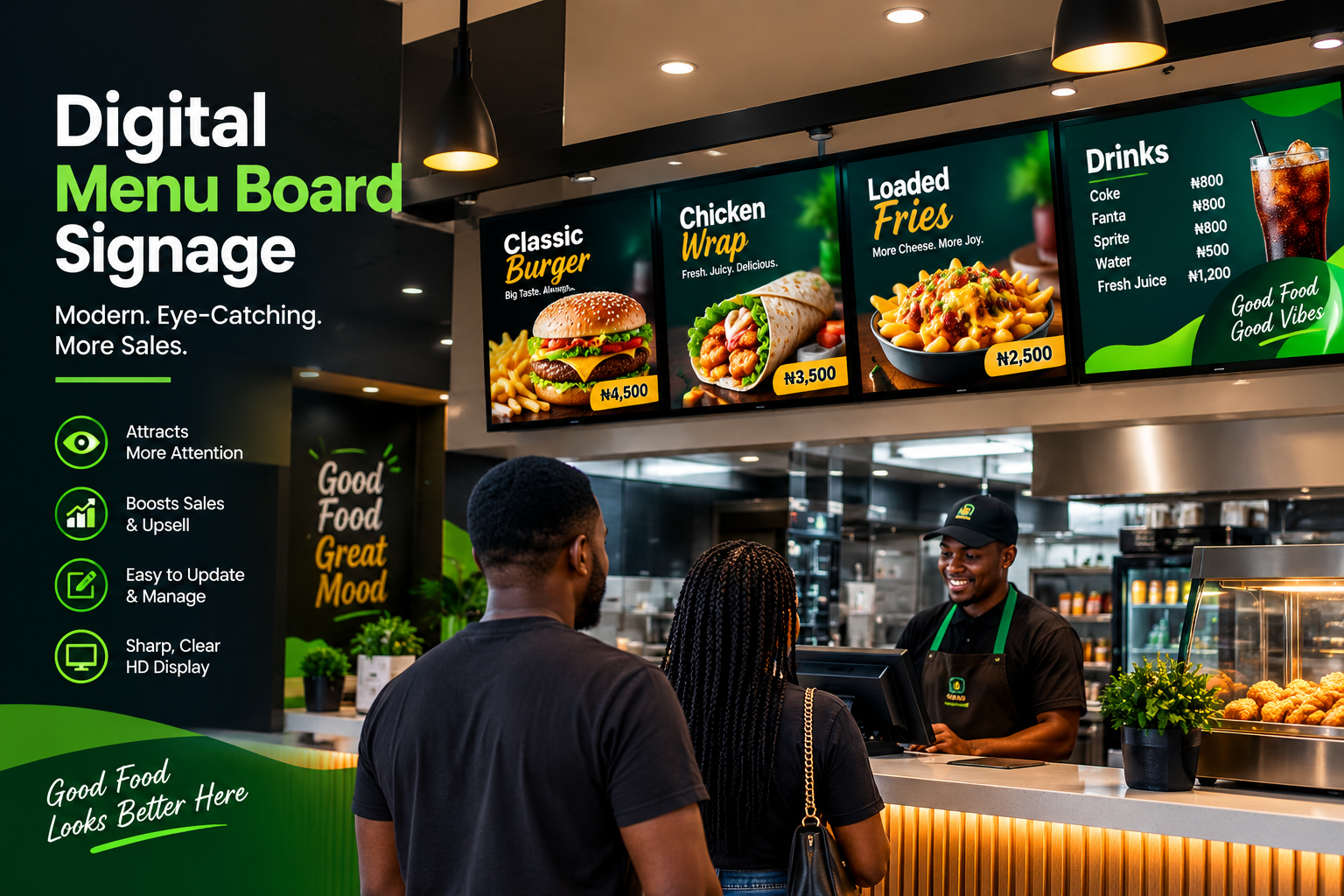
* Digital Signs: Flexibility exists, but resolution must match size.
3. Font and Graphics
A bold, clear font increases readability and allows for slightly smaller sizes. Complex graphics may require larger signs to maintain clarity.
4. Location and Environment
* High-traffic streets → larger signage to capture attention quickly.
* Malls or indoor spaces → smaller, more detailed signage works.
* Outdoor signs in cluttered areas → size must ensure visibility over obstacles.
5. Brand Message
Your signage should be big enough to convey your message in 3–5 seconds, the average attention span for outdoor passersby.
Standard Signage Sizes by Use Case
Here’s a breakdown of common signage sizes for different applications:
1. Storefront Signs
* Small shop front: 2–4 ft height × 6–12 ft width
* Medium shop front: 3–5 ft height × 12–20 ft width
* Large store or commercial building: 5–8 ft height × 20–40 ft width
2. Directional Signs
* Indoor wayfinding: 12–18 inches × 24–36 inches
* Outdoor directional signs: 2–4 ft × 3–6 ft
3. Billboard & Highway Signs
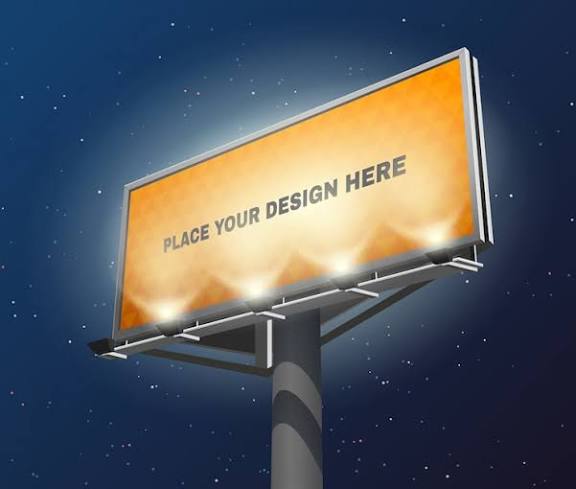
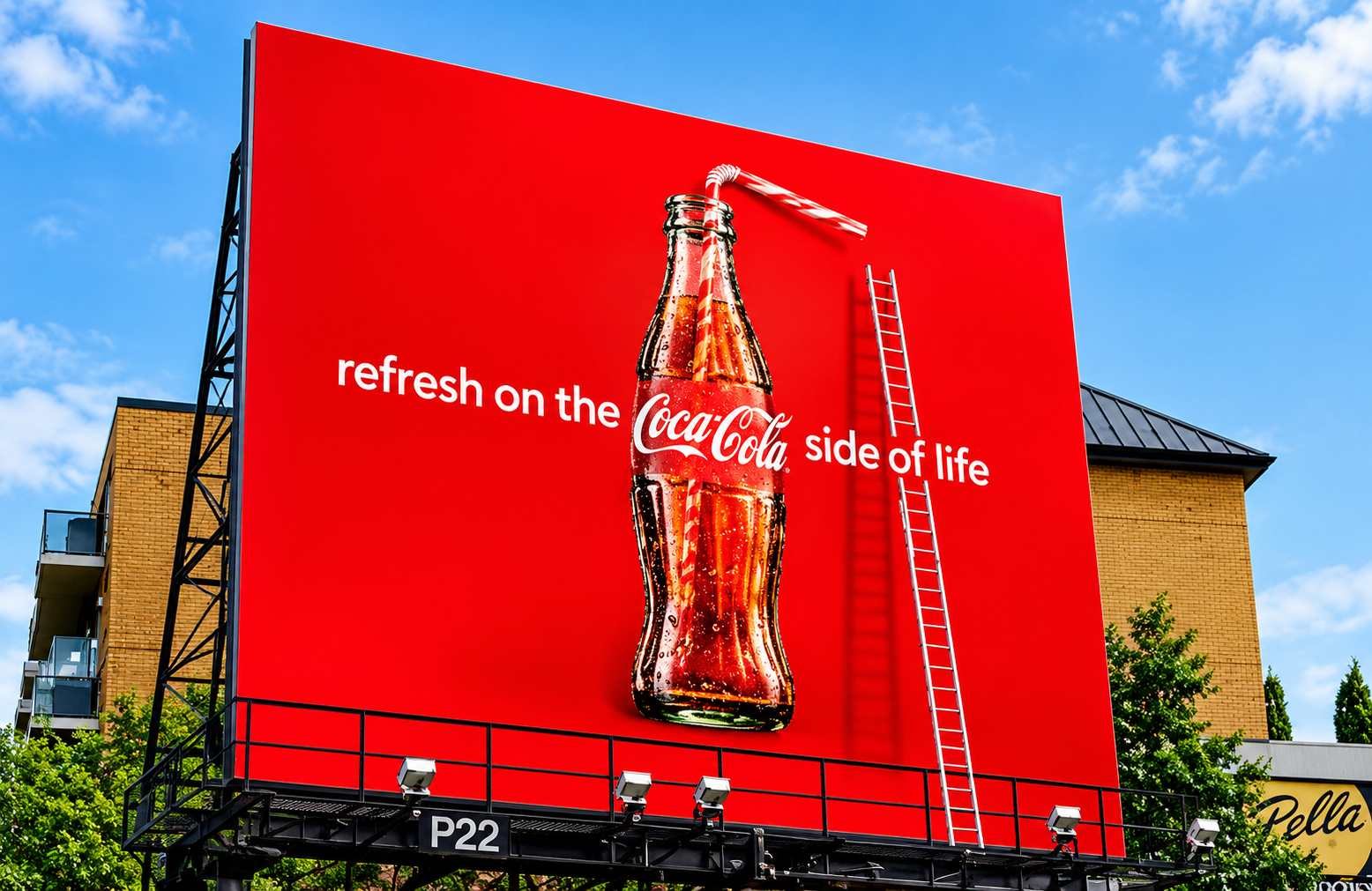
* Standard billboard: 14 ft × 48 ft
* Street-level poster: 6 ft × 12 ft
* Roadside banner: 3 ft × 10 ft
4. Trade Show & Event Signage
* Pop-up banners: 6–8 ft height × 2–3 ft width
* Tabletop banners: 2–3 ft height × 3–4 ft width
Calculating Optimal Letter Size
One of the most critical aspects of signage is letter height. A common rule is: 1 inch of letter height per 10 feet of viewing distance.
For example:
* 50 feet away → 5-inch letters
* 150 feet away → 15-inch letters
This simple formula ensures readability without guessing.
Material and Signage Size
Different materials behave differently at scale:
1. PVC & Acrylic Signs: Ideal for indoor or semi-outdoor; can be cut to custom sizes.
2. Aluminum & Steel Signs: Suitable for large outdoor installations; must consider weight limits.
3. Vinyl Banners: Flexible sizing, ideal for temporary or promotional signage.
Tips for Designing Effective Signage
1. Keep It Simple: Minimal text and bold visuals improve visibility.
2. Use High Contrast Colors: Dark letters on light backgrounds or vice versa enhance legibility.
3. Consider Lighting: Backlit or illuminated signs may require slightly larger text to balance light diffusion.
4. Test Before Installation: Create a scaled mock-up to visualize size and placement.
Common Signage Mistakes to Avoid
* Too Small: Can be overlooked and fail to capture attention.
* Too Large: May overwhelm the space or violate regulations.
* Overcrowded Design: Confuses viewers; limits effectiveness.
* Ignoring Environment: Placement without considering obstructions reduces impact.
Advanced Signage Size Strategies
1. Dynamic Scaling for Digital Displays: Adapt signage content to match screen size and viewing distance.
2. 3D & Layered Signage: Large dimensional letters create depth without increasing footprint excessively.
3. Modular Signs: Allows adjustment of size over time without full replacement.
SEO Tips for Signage Content
* Include keywords in visible headlines on the sign itself.
* Use alt text for digital signage images on websites.
* Optimize file sizes for web banners to maintain clarity without slowing load times.
Measuring Signage Success
* Foot Traffic Analysis: Compare foot traffic before and after installation.
* Lead Conversion: Track if signage leads to inquiries or sales.
* Brand Recall: Surveys to see if people recognize your brand based on signage alone.
Choosing the right signage size is both an art and a science. It requires understanding viewing distance, location, brand message, and regulatory constraints. By following this Optimal Signage Size Guide, businesses can maximize visibility, improve customer engagement, and ultimately increase sales.
When done correctly, signage becomes a powerful marketing tool that works 24/7 to communicate your brand.
SignFix Industrial Limited stands out as the perfect partner for all your signage needs. Here’s why:
1. Expertise: Years of experience in designing, manufacturing, and installing signage across Nigeria.
2. Customized Solutions: We create signage tailored to your space, audience, and brand goals.
3. Quality Materials: Durable and premium materials for both indoor and outdoor applications.
4. Compliance: Ensuring your signage meets local regulations and standards.
5. End-to-End Service: From consultation to installation, we handle every step professionally.
SignFix Industrial Limited transforms your vision into impactful signage that drives results.
Reach out today to start your signage project:
Email Us at support@signfix.ng or info@signfix.ng or Call Us +2349033366660