Illuminated signage remains one of the most effective ways for businesses to stand out, especially during evening hours when visibility can make the difference between a customer walking in or walking past. For decades, neon signage dominated this space with its distinctive warm glow, but LED technology has rapidly become the preferred choice for most modern businesses. Understanding the real differences between LED and neon signage — beyond just aesthetics — helps businesses make a decision that fits their budget, brand, and long-term maintenance expectations.
This guide compares LED and neon signage across the factors that matter most: cost, durability, energy efficiency, visual style, and maintenance.
How Each Technology Works
Neon Signage
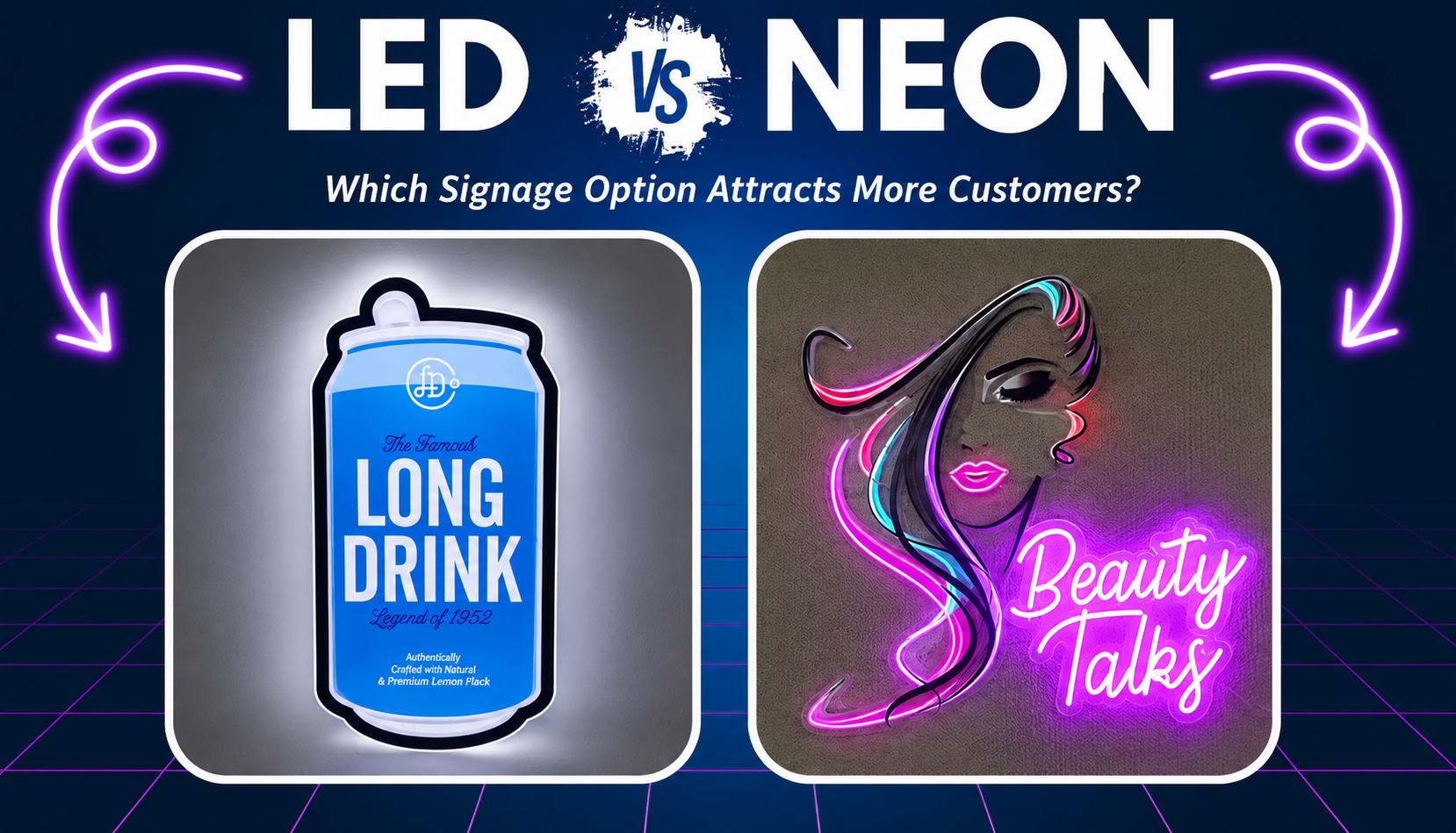
Traditional neon signs use glass tubes filled with neon or other noble gases, which glow when an electric current passes through them. Each tube is hand-bent by a skilled craftsperson, giving neon signs their distinctive smooth, continuous glow and often a nostalgic or artisanal visual appeal.
LED Signage
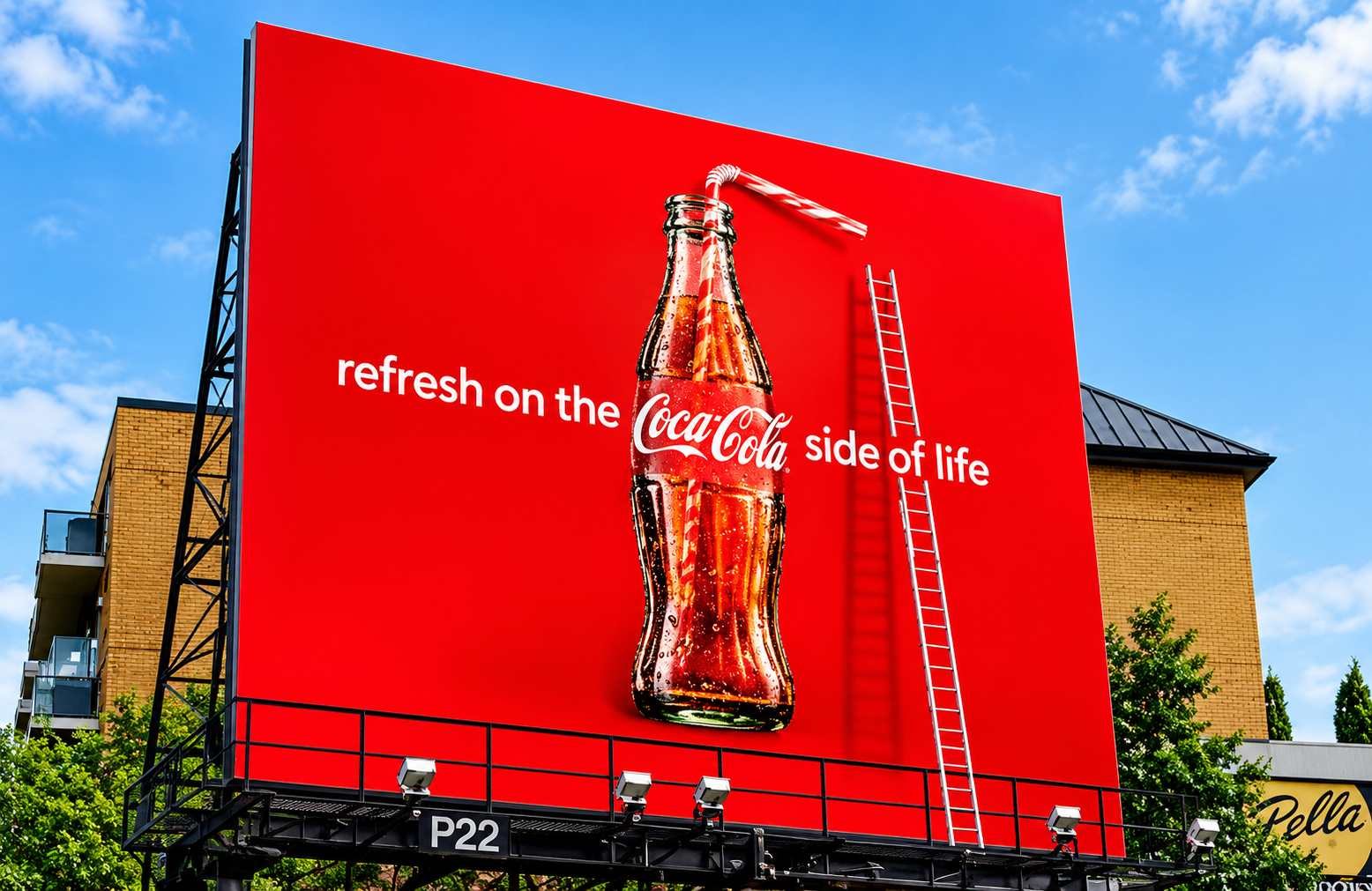
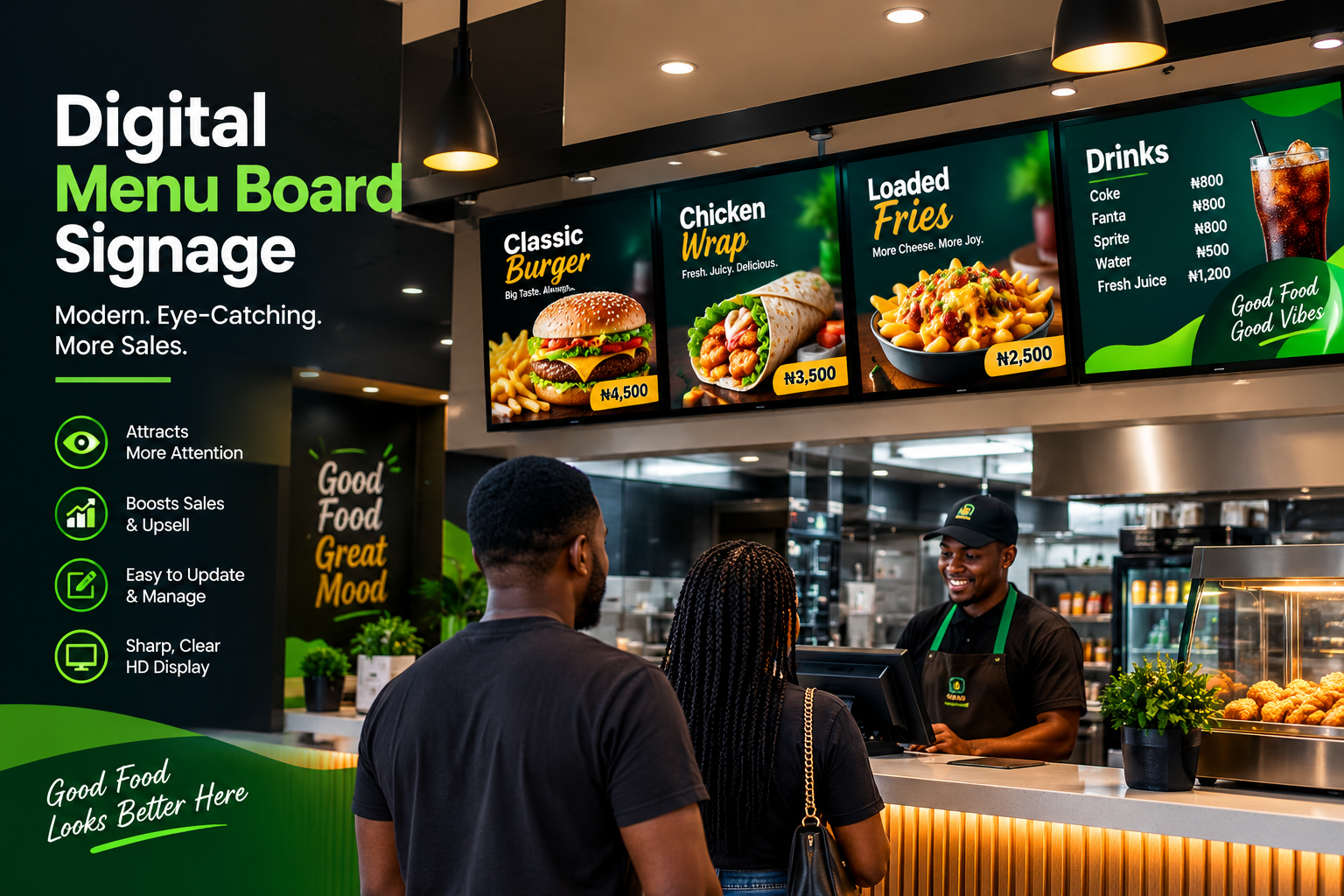
LED (Light Emitting Diode) signage uses small semiconductor light sources arranged to form letters, shapes, or full digital displays. LEDs can be used in fixed illuminated signs (such as channel letters) or in fully dynamic digital displays capable of showing changing content.
Comparing Cost
Neon typically involves higher upfront production costs due to the skilled manual labor required to bend and assemble glass tubing. Repairs, when needed, also require specialized technicians familiar with traditional neon work, which can be harder to source and more expensive than standard electrical repairs.
LED*signage generally offers lower production costs, particularly for standard lettering and shapes, since it can be mass-produced and assembled more efficiently. Ongoing maintenance is also typically simpler and less expensive, since LED components are more widely available and easier to replace.
Comparing Energy Efficiency
LED signage holds a clear advantage in energy efficiency, using significantly less electricity than traditional neon for equivalent brightness levels. For businesses running illuminated signage for extended hours — or 24/7 in some cases — this difference can translate into meaningful savings on electricity costs over the sign’s lifespan.
Neon, while visually striking, consumes considerably more power to achieve similar visibility, making it a less cost-effective option for continuous, long-term operation.
Comparing Durability and Lifespan
Neon tubes are fragile by nature, made of glass, and vulnerable to cracking or breaking from impact, vibration, or extreme temperature changes. Once damaged, repairs often require full tube replacement rather than simple part swaps.
LED signage is generally more durable, built from solid-state components that resist vibration, impact, and temperature fluctuations far better than glass tubing. This makes LED a stronger choice for high-traffic areas, outdoor installations exposed to weather, or environments prone to vibration, such as near busy roads or industrial areas.
Comparing Visual Style and Brand Fit
Neon signage carries a distinctive warm, soft glow that many businesses — particularly those in hospitality, nightlife, retro-themed retail, or creative industries — use intentionally to create a specific nostalgic or artistic atmosphere.
LED signage offers more flexibility in color options, brightness levels, and the ability to incorporate dynamic elements like changing colors, animations, or full digital displays. For businesses wanting modern, clean branding or the ability to update messaging without replacing physical signage, LED provides significantly more versatility.
Neither option is universally “better” from a style standpoint — the right choice depends entirely on the brand image a business wants to convey.
Comparing Maintenance Requirements
LED signage generally requires less specialized maintenance, since replacement components are more widely available and often simpler to install. Most reputable LED signage installations also include multi-year warranties covering component failure.
Neon signage requires more specialized care, both because of its fragility and because of the shrinking pool of technicians skilled in traditional neon repair work. Businesses choosing neon should factor in these longer-term maintenance considerations before committing to the technology.
Which Option Fits Your Business?
Choose LED if:
– You want lower long-term energy and maintenance costs
– Your signage will run for extended hours or continuously
– You want flexibility for dynamic content, color changes, or future updates
– Your signage will be installed outdoors or in a location exposed to vibration or impact
Choose Neon if:
– Your brand specifically benefits from a nostalgic, artisanal, or retro aesthetic
– You have a smaller, carefully placed sign rather than large-scale continuous signage
– Budget for skilled maintenance and occasional tube replacement is already accounted for
Both LED and neon signage can create striking, memorable illuminated branding, but they serve different priorities. LED offers superior durability, energy efficiency, and long-term cost savings, making it the practical choice for most modern businesses. Neon remains a strong option specifically where its distinctive aesthetic aligns closely with brand identity, provided the business is prepared for the additional maintenance considerations that come with it.
Choosing between LED and neon signage requires expert guidance on cost, durability, and design fit, and that’s exactly what SignFix Industrial Limited provides. With over a decade of experience delivering signage and branding solutions across Nigeria and beyond, our team helps businesses select and install illuminated signage that matches their budget, brand identity, and long-term maintenance expectations. From consultation and design through fabrication, installation, and ongoing support, SignFix ensures your illuminated signage performs reliably for years to come.
Contact Us
📧 support@signfix.ng | info@signfix.ng
📞 Call Us: +234 903 336 6660