In business, first impressions are everything. Often, the first interaction a customer has with a brand isn’t through a website or social media post, it’s through business signage. From storefront signs and billboards to indoor displays, effective signage communicates subtle messages about professionalism, credibility, and brand identity, shaping signage impressions that influence customer perception.
Understanding the psychology of impressions allows businesses to use business signage and effective signage not just as tools for visibility, but as strategic instruments to attract and engage customers. For companies in Nigeria and beyond, business signage conveys trust, values, and quality, setting the stage for lasting customer relationships.
This blog explores what business signage communicates, why signage impressions matter, and how thoughtful, effective signage design can improve brand perception and drive growth.
Why First Impressions Matter in Business
Research shows that customers form judgments about businesses within seconds. Signage is often the first visual cue and shapes expectations before a customer interacts with staff or products.
-
Credibility: A well-maintained, professional sign conveys trustworthiness.
-
Quality: Modern, visually appealing signage signals high-quality products or services.
-
Personality: Signage design reflects the brand’s style—whether playful, sophisticated, or bold.
Ultimately, signage serves as a silent ambassador, influencing decisions without saying a word.
The Psychology Behind Business Signage
1. Color Psychology
Colors evoke emotions and communicate brand identity instantly:
-
Blue: Trust, stability, and professionalism.
-
Red: Urgency, excitement, and attention.
-
Green: Growth, sustainability, and calmness.
-
Yellow: Friendliness, energy, and optimism.
Choosing the right colors ensures your signage resonates subconsciously with your target audience.
2. Typography and Fonts
Fonts communicate tone and style.
-
Bold, sans-serif fonts suggest modernity and authority.
-
Script or decorative fonts convey elegance and creativity.
Readable typography improves legibility and makes the impression positive within seconds.
3. Placement and Visibility
Signage must be strategically placed to maximize impact. High-traffic areas, eye-level positioning, and proper lighting ensure your message is noticed and remembered.
4. Simplicity and Clarity
Humans process information quickly. Signs with clear messaging and minimal clutter communicate more effectively, leaving stronger impressions.
Types of Signage and Their Psychological Impact
1. Outdoor Signage
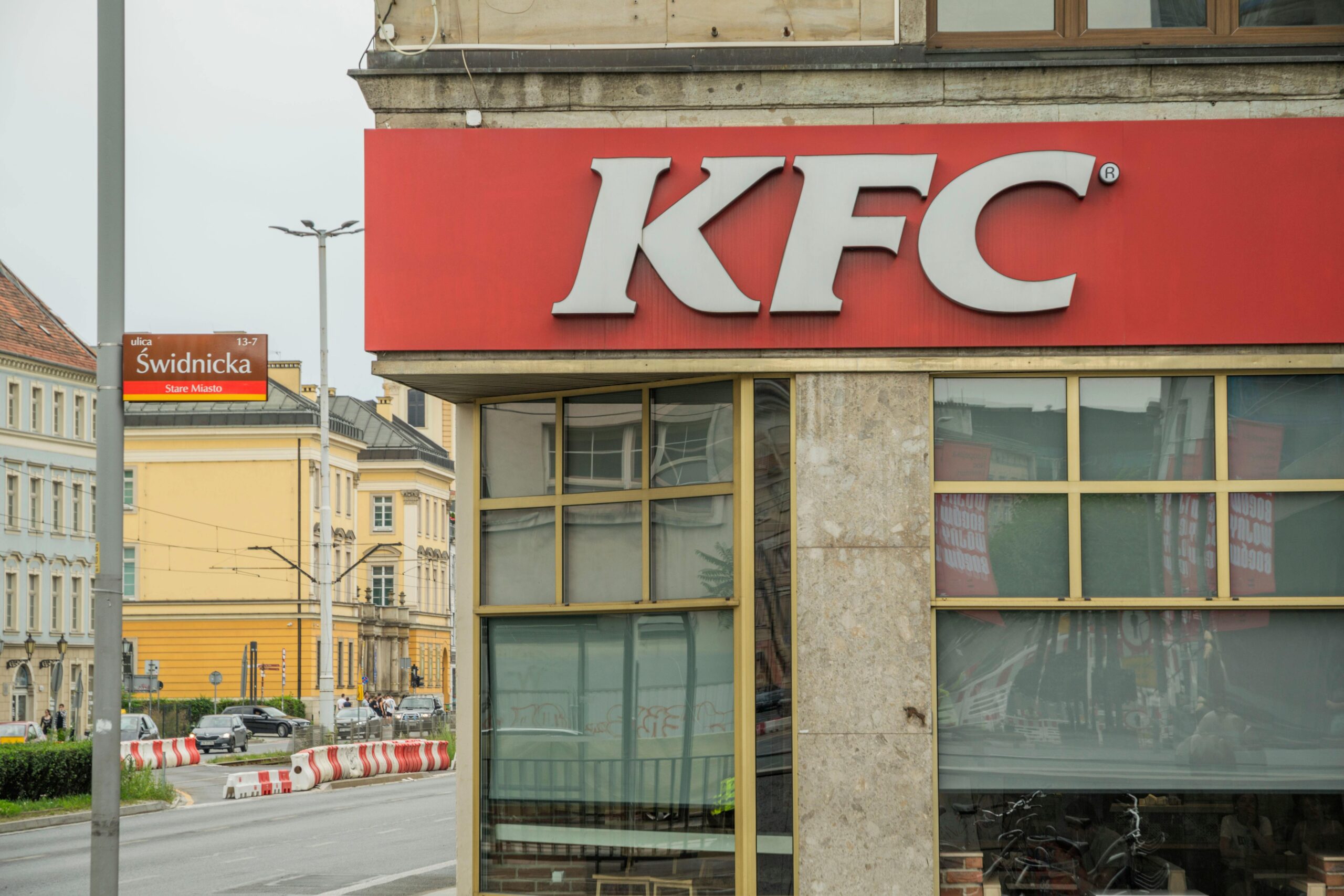
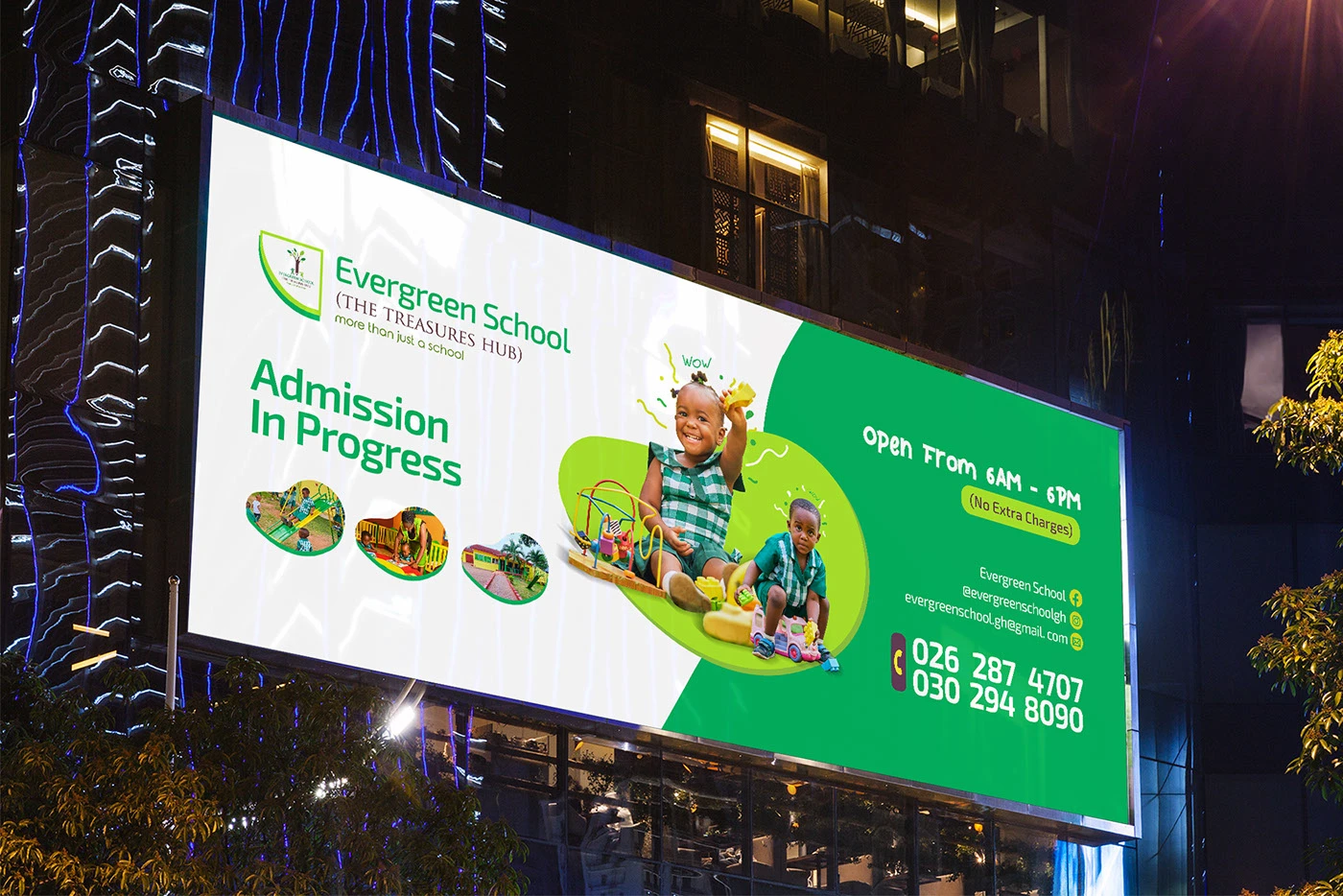
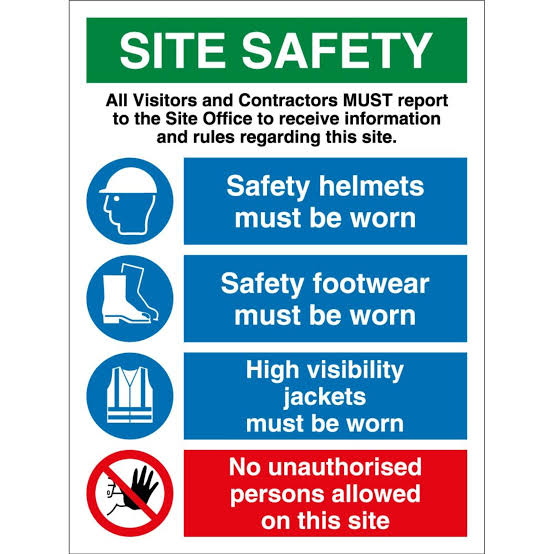
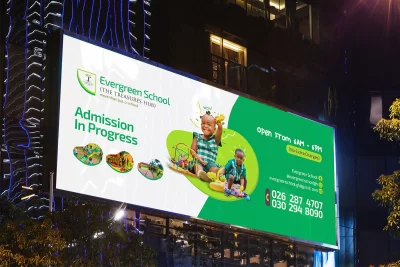
Billboards, pylon signs, and storefront displays communicate brand presence and authority. They influence first impressions from a distance, attracting attention and guiding potential customers to your location.
2. Storefront and Window Signage
Window graphics, entryway signage, and illuminated displays set expectations. A modern, creative storefront signals professionalism and invites exploration, while outdated signage may suggest neglect.
3. Indoor Signage
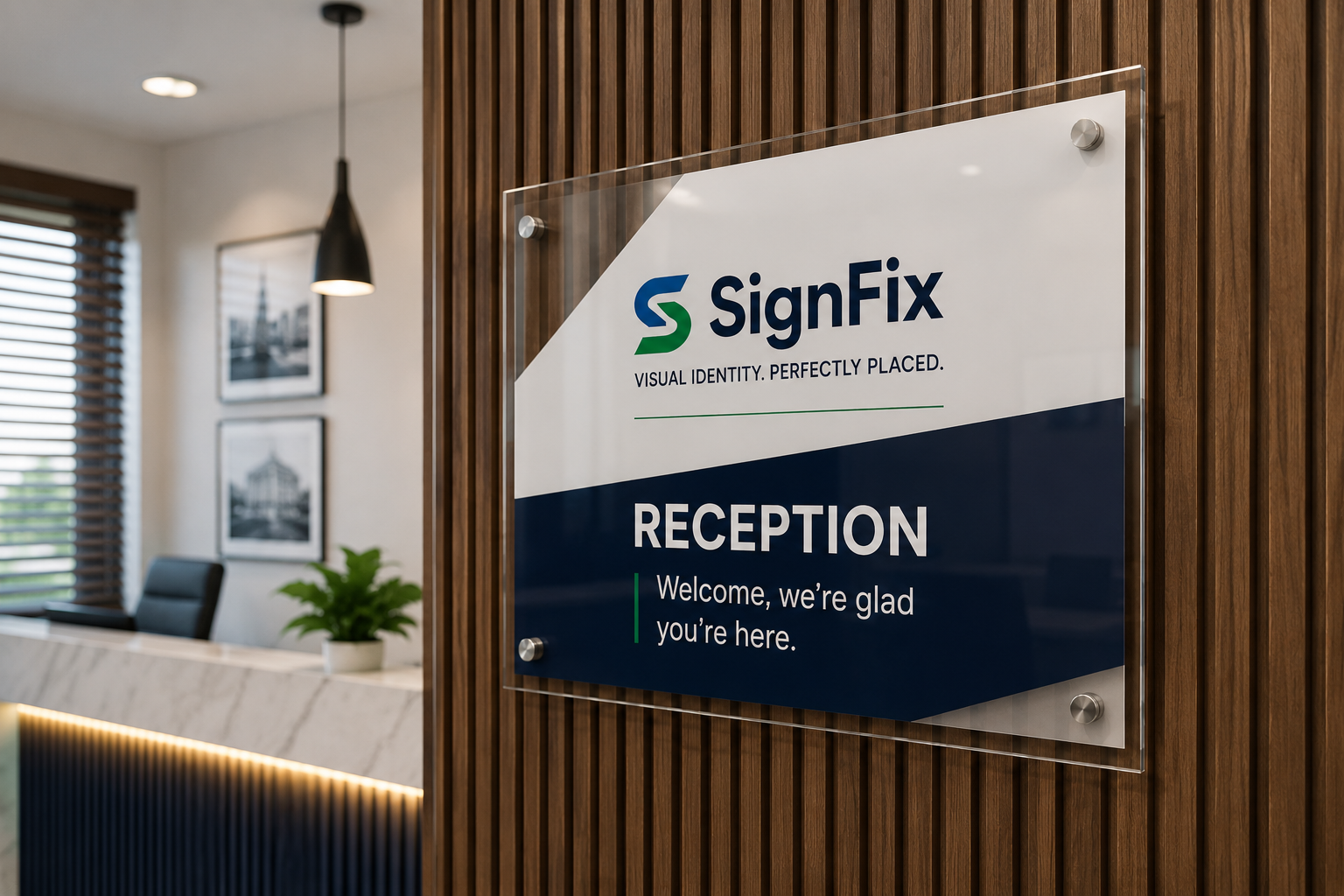
Reception signs, wall graphics, and wayfinding systems reinforce the brand experience once customers enter. They create a cohesive environment that aligns with the company’s values and personality.
4. Digital Signage
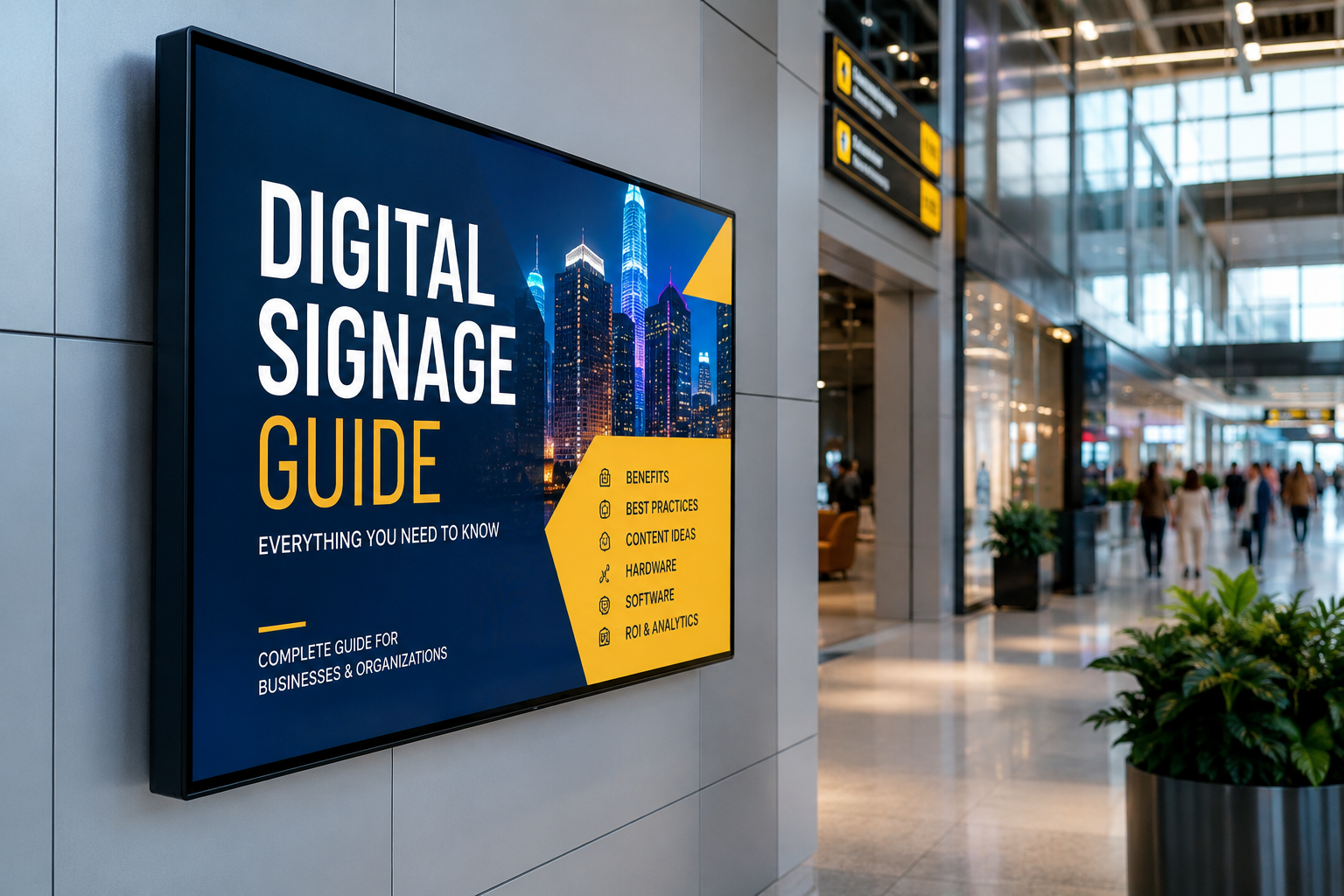
LED displays and interactive screens offer dynamic messaging, keeping your brand relevant, engaging, and visually appealing. Digital signage also enhances perceived innovation and modernity.
5. Vehicle Branding
Mobile branding communicates reach, consistency, and professionalism, turning every company vehicle into a moving impression of the brand.
How Signage Influences Customer Perception
1. Building Trust and Credibility
Customers subconsciously associate professional signage with reliability and competence. A clean, modern, and strategically designed sign immediately builds confidence.
2. Enhancing Brand Recall
Consistent signage across locations, digital channels, and vehicles ensures customers remember your brand, which is crucial for repeat business and referrals.
3. Attracting Target Customers
Signage communicates the brand’s tone and values, attracting customers who resonate with your messaging while filtering those who do not align with your offerings.
4. Differentiating from Competitors
In competitive markets, unique, well-crafted signage sets your business apart, giving potential customers a reason to choose your brand over others.
Best Practices for Psychology-Driven Signage
-
Align Signage with Brand Identity: Colors, fonts, and visuals must reflect the brand.
-
Prioritize Clarity and Readability: Use concise, easy-to-read text.
-
Use Emotionally Resonant Colors and Imagery: Leverage psychology to influence perception.
-
Strategic Placement: High-traffic visibility ensures maximum impressions.
-
Maintain Regularly: Clean, well-lit signage signals attention to detail and professionalism.
Real-World Examples
-
Retail Outlets: A vibrant, well-lit storefront attracts more foot traffic than a faded or cluttered sign.
-
Corporate Offices: Reception and internal signage reflect company culture and professionalism.
-
Restaurants and Cafés: Creative window graphics and signage influence ambiance and customer perception.
-
Schools and Institutions: Clear, informative signage builds trust with parents and visitors.
These examples show how strategically designed signage shapes impressions, builds trust, and influences customer behavior.
Signage as a Psychological Tool
Business signage is more than decoration, it’s a psychological instrument that conveys trust, quality, and personality. From outdoor displays to indoor wayfinding, every sign communicates subtle messages that shape customer perceptions and influence decisions.
At Signfix Industrial Limited, we specialize in creating signage that makes strong, positive impressions. Our solutions combine design, visibility, and brand strategy to ensure your business communicates professionalism, engages customers, and drives growth.
Let your signage speak volumes. Contact Signfix Industrial Limited today and transform impressions into lasting relationships.