Every business wants to attract more customers, build loyalty, and increase sales. But often, the secret to achieving these goals isn’t just in products or pricing, it’s in the signs people see. Signage is more than a display; it’s a silent salesperson that communicates value, directs behavior, and influences decisions. At Signfix Industrial Limited, we understand that effective signage blends design with psychology to leave lasting impressions.
This blog explores the psychology of signage, how elements like color, typography, and placement impact customer behavior, and how businesses can harness this knowledge for sustainable growth.
Why Psychology Matters in Signage
Customers make split-second decisions when interacting with a business, often based on visual cues. Research shows that 60% of customers believe the quality of a business’s signage reflects the quality of its products or services.
Psychology in signage matters because:
- It captures attention in a busy environment.
- It creates emotions that influence purchase behavior.
- It guides choices through subtle cues like arrows, colors, and placement.
- It reinforces brand identity, building trust and recognition.
The Psychology of Color in Signage
Color is one of the most powerful tools in signage design because it triggers emotions and perceptions. Different colors evoke different responses:
- Red: Urgency, passion, appetite stimulation (often used by restaurants).
- Blue: Trust, calmness, professionalism (ideal for banks and healthcare).
- Green: Growth, eco-friendliness, relaxation (perfect for wellness or sustainable brands).
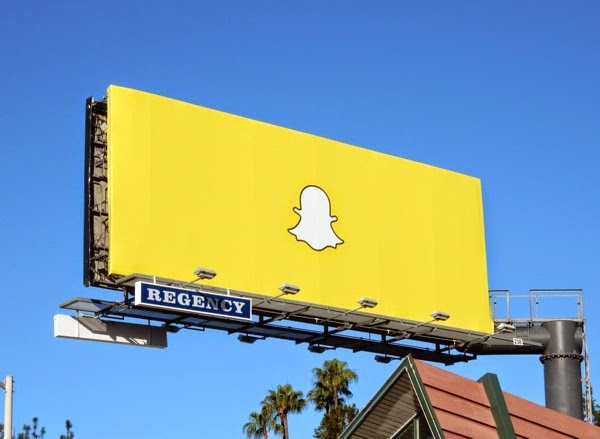
- Yellow: Optimism, attention-grabbing, cheerfulness (great for retail sales promotions).
- Black & White: Luxury, elegance, sophistication.
Businesses that use color strategically in signage can create emotional connections that drive customer decisions.
Typography: How Fonts Influence Perception
Fonts are not just about readability; they communicate brand personality. For instance:
- Bold Sans Serif fonts (like Helvetica) suggest modernity and strength.
- Serif fonts (like Times New Roman) suggest tradition, trust, and authority.
- Script fonts convey elegance and creativity but may reduce readability if overused.
A cluttered or overly fancy font can confuse customers, while clean, consistent typography builds trust and clarity.
Placement and Layout: Guiding the Customer Journey
Sign placement is as critical as design. Strategic positioning ensures customers see and respond to signage at the right time.
- Exterior signage: Attracts new customers by signaling presence and brand identity.
- Wayfinding signage: Reduces confusion and improves customer experience by guiding people smoothly.
- Point-of-sale signage: Influences last-minute purchase decisions.
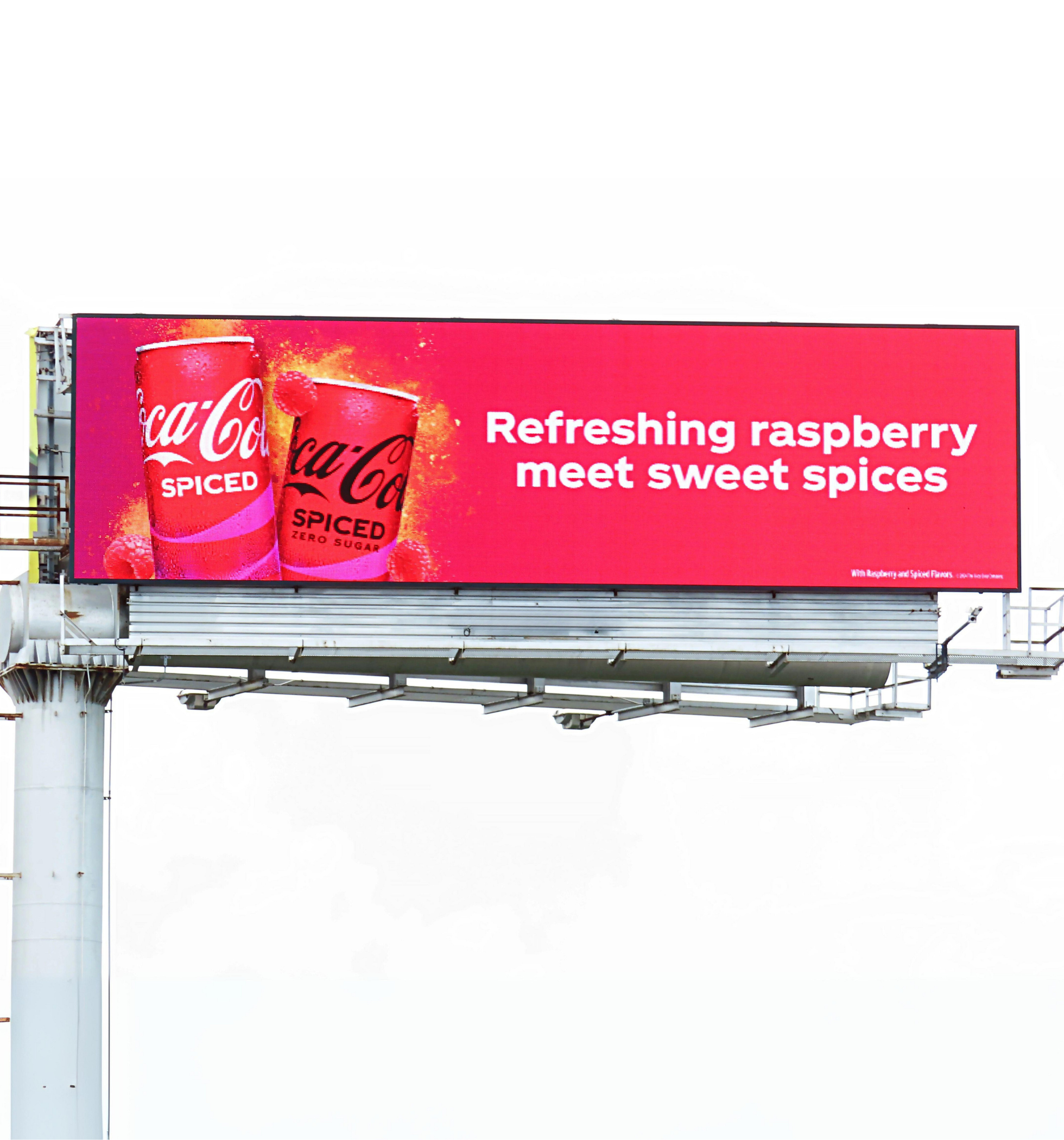
- Digital signage: Engages with dynamic, changing content that keeps customers interested.
When signs are placed where customers naturally pause or make decisions, they become powerful nudges that influence behavior.
Messaging: Less Is More
In signage psychology, clarity wins. Customers have only a few seconds to read and understand a sign. Effective messages are:
- Short: Clear and to the point.
- Action driven: Using words like “Buy Now,” “Discover,” or “Limited Offer.”
- Benefit-focused: Showing customers what they gain, not just what you offer.
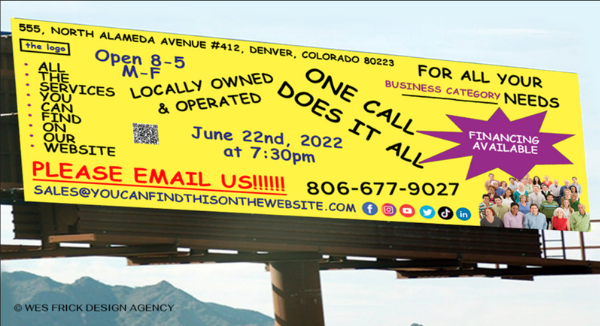
Overloaded signs confuse rather than convert.
The Role of Branding in Signage Psychology
Consistency in design builds familiarity and trust. Signs that align with a company’s brand colors, tone, and logo reinforce brand memory. For example:
- A fast-food chain with bright red and yellow signs evokes hunger and quick service.
- A tech company with clean blue and white signs builds trust and innovation credibility.
At Signfix Industrial Limited, we specialize in creating signage that tells a brand’s story while influencing customer decisions.
Case in Point: Real-World Examples
- Retail Stores: Strategic use of red sale signs increases urgency and boosts impulse buying.
- Hospitals: Blue and green signage creates calmness, reassuring patients and visitors.
- Corporate Offices: Clean, minimalist signage with professional fonts conveys credibility and reliability.
How Businesses Can Apply Signage Psychology
To harness the psychology of signage effectively, businesses should:
- Understand their target audience and what motivates them.
- Use colors and fonts that reflect brand personality.
- Place signage at decision points for maximum impact.
- Keep messaging clear, concise, and actionable.
- Work with professional signage experts like Signfix Industrial Limited for tailored solutions.
Signage is not just about direction or decoration, it’s about influencing behavior and shaping perceptions. By applying principles of psychology in design, businesses can create signage that not only attracts attention but also converts it into action. At Signfix Industrial Limited, we combine creativity, strategy, and psychology to deliver signage solutions that grow businesses.