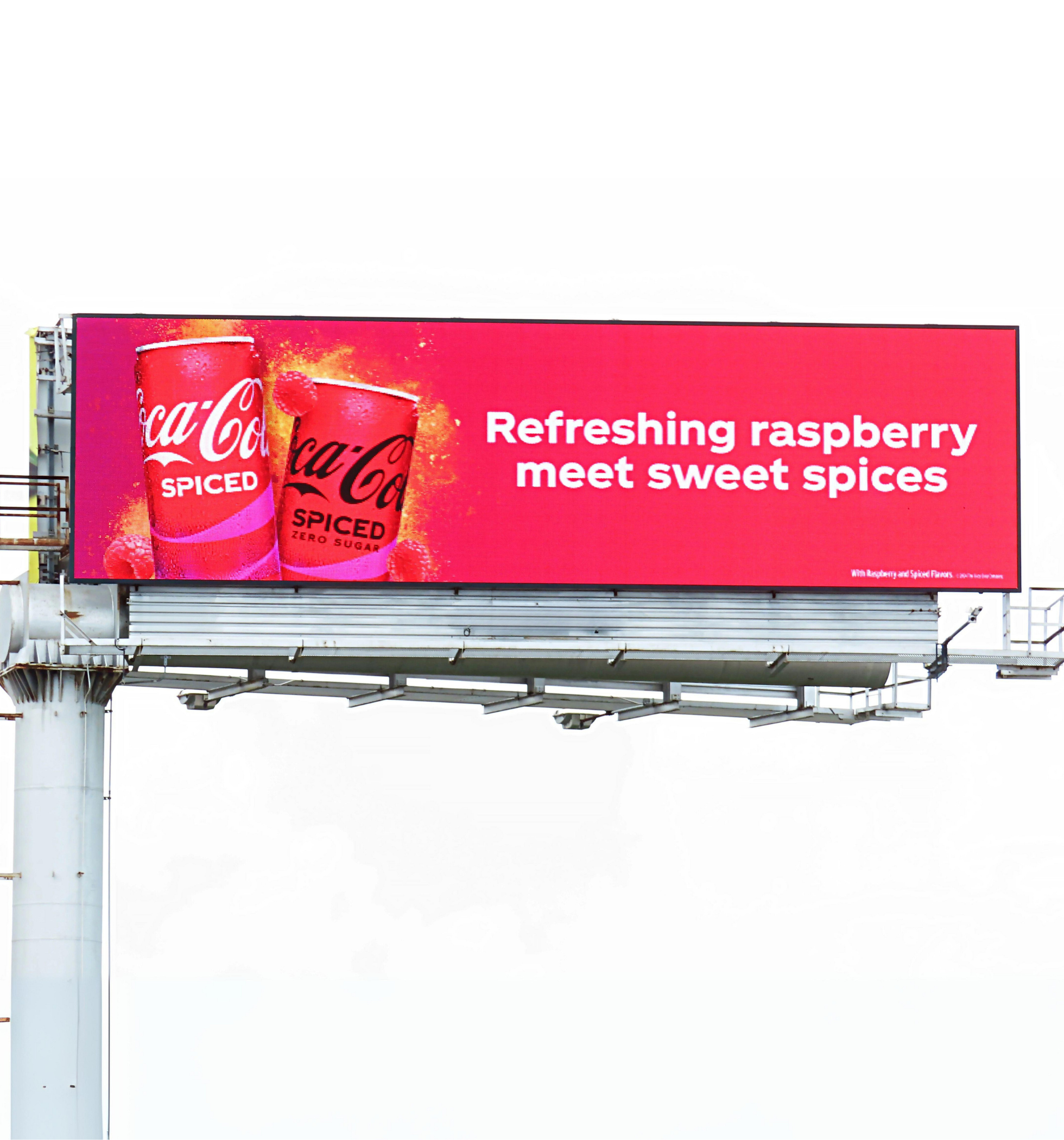
Why Brand Colors Matter More Than You Think
Ever wondered why brands like Coca-Cola, Facebook, and McDonald’s stick religiously to their colors? It’s not just about aesthetics, it’s psychology.
Color is one of the most powerful tools in branding. Research shows that up to 90% of snap judgments made about products are based on color alone. In the world of business, your choice of brand colors can shape how customers feel, think, and ultimately decide to buy.
Whether you’re a startup building your brand identity or a business rebranding for impact, understanding the psychology of color gives you a strategic advantage.
What is Color Psychology in Branding?
Color psychology is the study of how different colors influence human behavior and perception. In branding, it refers to the emotional and psychological associations that people attach to specific colors and how these affect their view of your brand.
For example:
-
Blue conveys trust, professionalism, and calmness (think Facebook or PayPal)
-
Red signals urgency, passion, or energy (think Coca-Cola or YouTube)
-
Green reflects growth, health, or Eco-consciousness (think Starbucks or Whole Foods)
Choosing the right color isn’t just about design, it’s about aligning with brand values, customer expectations, and industry norms.
The Science Behind Color Perception
Color perception varies by culture, age, gender, and experience. However, there are universal tendencies that businesses can use to their advantage. Studies in marketing psychology confirm:
-
Color increases brand recognition by 80%
-
People form a first impression within 90 seconds, and 62–90% of that interaction is based on color
-
Colors can impact conversion rates, trust, and emotional engagement
By understanding the psychological triggers of color, you can guide customer behavior, from encouraging clicks to boosting product purchases.
Color Meanings: What Different Colors Say About Your Brand
Red: Energy, Urgency, Passion
Red is bold, attention-grabbing, and often used in sales, food, or fitness industries. It stimulates hunger and action, which is why brands like Coca-Cola, KFC, and Netflix use it.
Best For: Fast food, entertainment, clearance sales, youth brands
Use With Caution: Can also signify danger or aggression if overused
Blue: Trust, Stability, Professionalism
Blue is calming and dependable. It’s a go-to for banks, healthcare, and tech companies that want to project reliability and intelligence.
Best For: Finance, healthcare, technology, corporate
Brands That Use It: Facebook, IBM, LinkedIn, PayPal
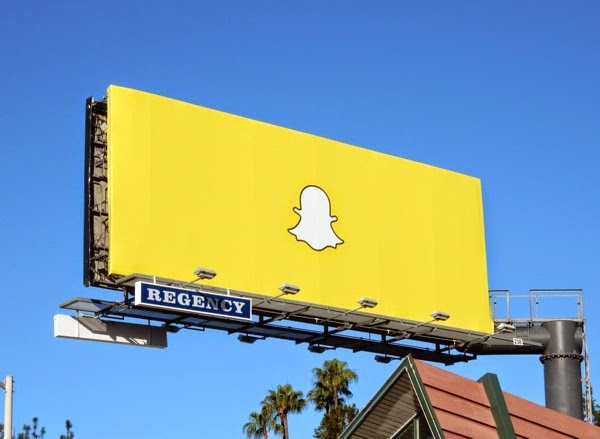
Yellow: Optimism, Warmth, Creativity
Yellow evokes happiness and friendliness but should be used carefully, as it can also cause eye fatigue. It draws attention and creates positive vibes when paired with contrasting colors.
Best For: Kids’ products, creative brands, travel
Brands That Use It: McDonald’s, Snap chat, DHL
Green: Growth, Nature, Health
Green is tied to nature, sustainability, and balance. It’s often used by brands that want to promote wellness, wealth, or Eco-friendliness.
Best For: Organic, financial, agricultural, wellness
Brands That Use It: Starbucks, Spotify, Whole Foods
Purple: Luxury, Spirituality, Creativity
Purple has historically represented royalty and luxury. It also signals innovation and wisdom, making it suitable for premium or forward-thinking brands.
Best For: Beauty, luxury, education, tech
Brands That Use It: Cad bury, Hallmark, Twitch
Black: Power, Elegance, Sophistication
Black conveys authority and timeless elegance. Luxury fashion brands often use black to reflect exclusivity and high-end appeal.
Best For: Fashion, luxury goods, photography, tech
Brands That Use It: Nike, Chanel, Apple (paired with white/gray)
White: Simplicity, Purity, Cleanliness
White space and minimal design create a sense of clarity. It is often paired with strong accent colors to highlight messaging or products.
Best For: Healthcare, technology, lifestyle, eCommerce
Brands That Use It: Apple, Adidas, Tesla
How Brand Colors Affect Consumer Behavior
Color affects:
-
Perceived value of your product
-
Purchase decisions based on emotional response
-
Brand trust and loyalty over time
-
User experience on your website or store
Example:
A red “Buy Now” button often outperforms green or blue ones because red conveys urgency and action.
Another study by Kiss metrics found that men prefer blue and green, while women are more attracted to purple and pink. Understanding these trends helps tailor your brand visuals to your target demographic.
Industry Trends: Matching Colors to Industry
| Industry |
Common Colors |
Purpose |
| Finance |
Blue, Black, Green |
Trust, professionalism, security |
| Health |
Blue, White, Green |
Clean, calm, safe |
| Food & Beverage |
Red, Yellow, Orange |
Appetite, warmth, attention |
| Fashion |
Black, White, Gold |
Luxury, minimalism, elegance |
| Technology |
Blue, Gray, Black |
Innovation, logic, neutrality |
| Education |
Blue, Purple, Green |
Knowledge, creativity, growth |
Choosing the right color based on your industry gives you a psychological edge in influencing perception and trust.
Brand Color Combinations That Work
While a single color may define your brand, a color palette adds depth, contrast, and consistency across platforms.
-
Analogous schemes (colors next to each other) feel harmonious and calming
-
Complementary schemes (opposite colors) draw attention and create balance
-
Triadic schemes (three equally spaced colors) are bold and vibrant
Examples:
-
Pepsi: Red, white, and blue (national pride + youth)
-
Google: Multi color (playfulness, inclusiveness)
-
FedEx: Purple and orange (trust + speed)
Tips for Choosing the Right Brand Colors
-
Know Your Brand Personality: Are you youthful, professional, luxurious, Eco-friendly?
-
Understand Your Audience: Age, gender, culture, and preferences matter.
-
Consider Cultural Meaning: Colors have different meanings in different regions.
-
Stay Consistent: Use your color palette across all branding touch points, website, packaging, social media, etc.
-
Test and Optimize: Use A/B testing for buttons, banners, or ads to see what color drives the best results.
Conclusion: Color is More Than Just a Design Choice
The psychology of color in business is not about picking your favorite hue, it’s about strategically guiding customer emotions, perceptions, and actions. The right colors can increase trust, improve conversion rates, and make your brand unforgettable.
If you want to build a brand that resonates with your audience and drives results, start by mastering the language of color.