
In today’s highly competitive business environment, visibility is everything. Whether you operate a retail shop, corporate office, restaurant, hospital, or industrial facility, the way your business presents itself to the public can significantly influence customer perception and purchasing decisions. One of the most powerful tools for creating this visibility is signage.
However, not all signage is created equal. Many businesses invest in signs without fully understanding which type best suits their brand, location, or customer base. As a result, they end up with signage that fails to attract attention, communicate their brand effectively, or drive customer engagement.
Choosing the right signage is not simply about putting your business name on a board. It involves strategic thinking, design considerations, material selection, installation expertise, and a clear understanding of how signage interacts with the surrounding environment.
This comprehensive guide will help you understand everything you need to know about choosing the right signage for your business and how the right decision can significantly improve your brand visibility and revenue.
Before selecting signage, it is important to understand the role it plays in business marketing and communication.
Signage performs several essential functions:
* It identifies your business location.
* It communicates your brand identity.
* It attracts potential customers.
* It provides directions and information.
* It reinforces professionalism and credibility.
For many businesses, signage acts as a silent salesperson working around the clock. While digital advertisements stop when budgets are exhausted, a well-installed sign continues promoting your brand every day.
When designed and installed correctly, signage can significantly increase walk-in traffic and brand awareness.
Choosing the right signage begins with understanding the different types available and how each serves specific purposes.
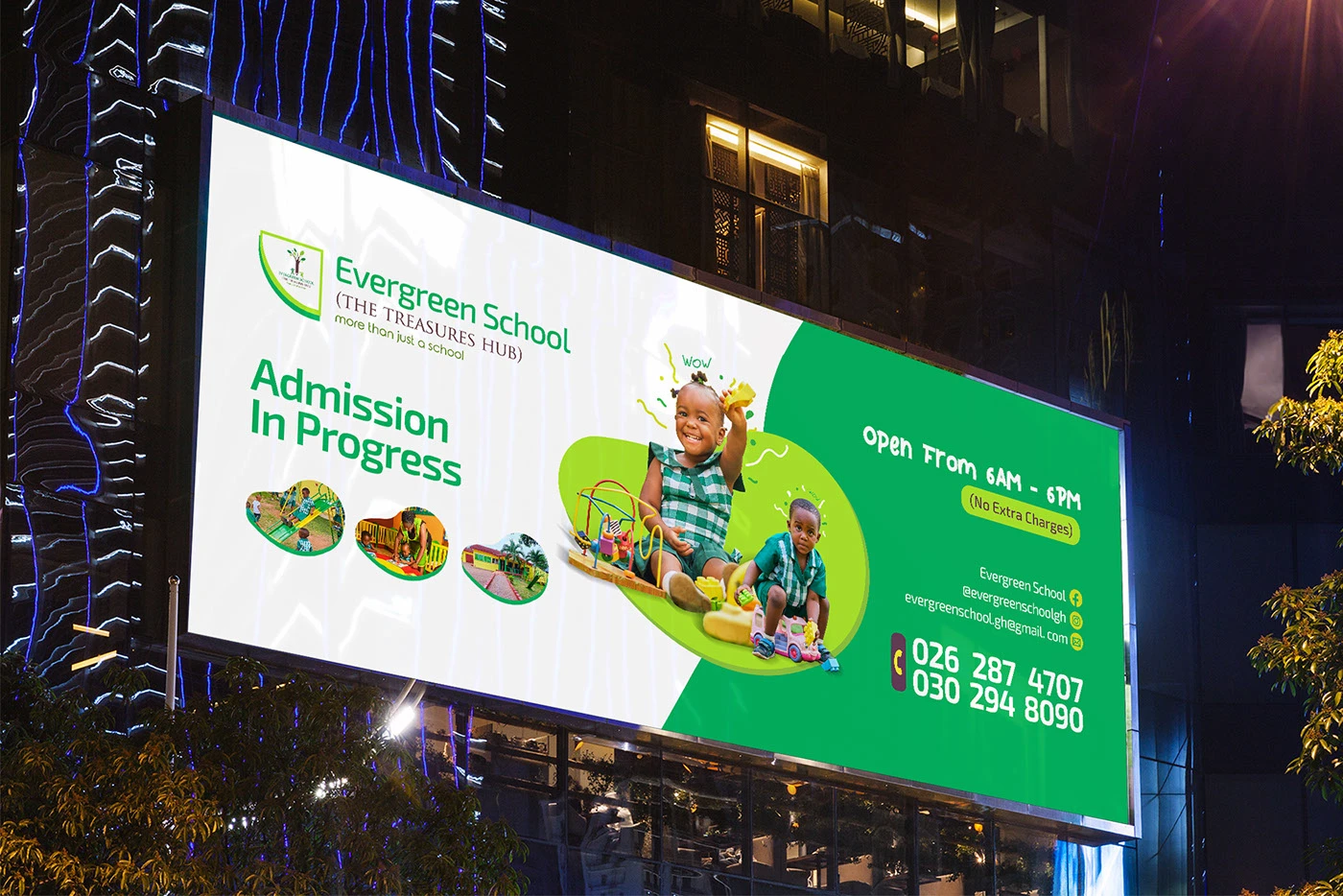
Outdoor signage is typically the first point of interaction between your business and potential customers. These signs are designed to capture attention from a distance and guide people toward your location.
Common types of outdoor signage include:
Building signage is mounted directly on the exterior of a business building. These signs often display the company name and logo and are designed for maximum visibility.
They are commonly used by retail stores, corporate offices, banks, hospitals, and shopping complexes.
Pylon signs are tall freestanding structures placed near roads or entrances to commercial properties. They are designed to be visible from long distances, especially in high-traffic areas.
These signs are frequently used by shopping plazas, hotels, and fuel stations.
Monument signs are ground-level structures typically found at the entrances of business complexes, residential estates, and corporate campuses.
They are designed to create a strong architectural presence while providing directional information.
Indoor signage helps guide customers within a building and enhances the overall brand experience.
Examples of indoor signage include:
* Reception signs
* Directional signs
* Department identification signs
* Promotional displays
Well-designed indoor signage improves navigation and reinforces brand consistency throughout the customer journey.
Lighting plays a major role in signage effectiveness.
Illuminated signs use LED or fluorescent lighting to remain visible during nighttime or low-light conditions.
Benefits include:
* Increased nighttime visibility
* Enhanced brand presence
* Higher customer attraction
* Professional appearance
Illuminated signage is particularly useful for businesses that operate during evening hours such as restaurants, pharmacies, and entertainment venues.
Non-illuminated signs rely solely on ambient lighting for visibility. While they are generally more affordable, they may not be as effective in low-light conditions.
These signs are commonly used in office environments, interior spaces, or areas with sufficient lighting.
The physical location of your business should heavily influence the type of signage you choose.
Key factors to consider include:
Businesses located on busy roads require large, highly visible signage that can capture attention quickly.
Pedestrian-focused locations may benefit from smaller but more detailed signage.
Signs positioned far from roadways must be larger to ensure readability.
The farther away the audience, the larger the letters and symbols should be.
Weather conditions such as rain, heat, wind, and humidity can affect signage durability. Businesses in harsh climates should select weather-resistant materials and professional installation methods.
The materials used in signage construction determine its durability and visual quality.
Common signage materials
Acrylic is widely used for illuminated signs due to its smooth finish and ability to diffuse light evenly.
Aluminum is lightweight, corrosion-resistant, and highly durable, making it ideal for outdoor signage structures.
Stainless steel offers a premium appearance and exceptional durability. It is often used for high-end corporate signage.
These materials are commonly used for indoor signage due to their lightweight nature and affordability.
Selecting the right material ensures that signage maintains its appearance and functionality for many years.
Even the most expensive sign will fail if it is poorly designed.
Successful signage design focuses on clarity, simplicity, and strong visual impact.
Important design factors include:
Text must be large enough to read from a distance and use fonts that are simple and clear.
Strong color contrast improves visibility. For example, dark lettering on a light background enhances readability.
Signage should reflect your company’s brand colors, typography, and overall identity.
Too much information can overwhelm viewers. The best signs communicate their message quickly and clearly.
Installation quality is just as important as design and materials.
Improper installation can lead to:
* Structural instability
* Electrical failures
* Reduced visibility
* Safety risks
Professional installers assess structural loads, electrical connections, and mounting techniques to ensure long-term performance.
Businesses that invest in professional signage often experience measurable benefits.
These benefits include:
Eye-catching signage draws attention and encourages people to enter your premises.
Consistent branding helps customers remember your business and return in the future.
In crowded commercial areas, strong signage can make your business stand out among competitors.
Unlike digital ads that require continuous spending, signage offers long-term marketing benefits after installation.
Avoiding these mistakes can save businesses significant time and money.
Common errors include:
* Choosing the cheapest materials
* Ignoring professional design guidance
* Selecting signs that are too small
* Poor placement and visibility
* Lack of maintenance
Working with experienced signage professionals helps avoid these costly mistakes.
The signage industry continues to evolve with new technologies and design innovations.
Some emerging trends include:
* Energy-efficient LED lighting
* Digital display signage
* Interactive signage
* Eco-friendly materials
* Smart signage integration
Businesses that adopt modern signage solutions often gain stronger customer engagement and brand visibility.
Why SignFix Industrial Limited Is the Perfect Company to Work With
Choosing the right signage requires expertise in design, materials, engineering, and installation. This is where SignFix Industrial Limited stands out as a trusted industry leader.
SignFix Industrial Limited combines creativity, technical knowledge, and professional craftsmanship to deliver signage solutions that truly represent your brand.
Key advantages of working with SignFix Industrial Limited include:
* Use of high-quality industrial-grade materials
* Professional signage design tailored to each business
* Expert installation for safety and durability
* Weather-resistant solutions suitable for Nigerian environments
* Innovative signage concepts that enhance brand visibility
By partnering with SignFix Industrial Limited, businesses gain access to signage solutions designed to attract customers, strengthen brand identity, and deliver long-term value.
For professional signage solutions tailored to your business needs,
Email Us at support@signfix.ng or info@signfix.ng or Call Us +2349033366660


Businesses today operate in an increasingly competitive environment where capturing
Schools are dynamic environments filled with students, teachers, administrators, parents,
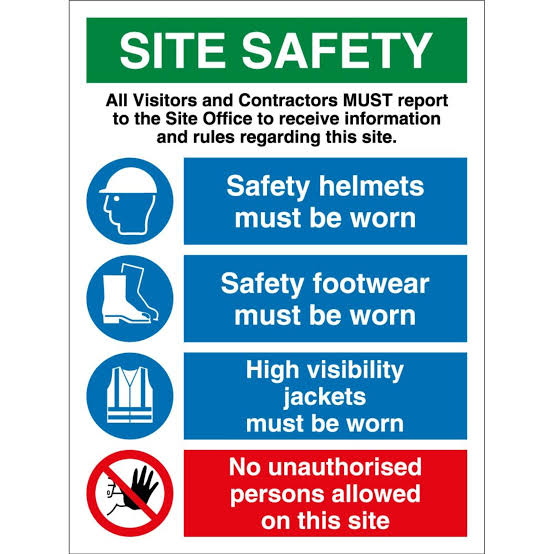
Construction sites are among the most dynamic and high-risk working
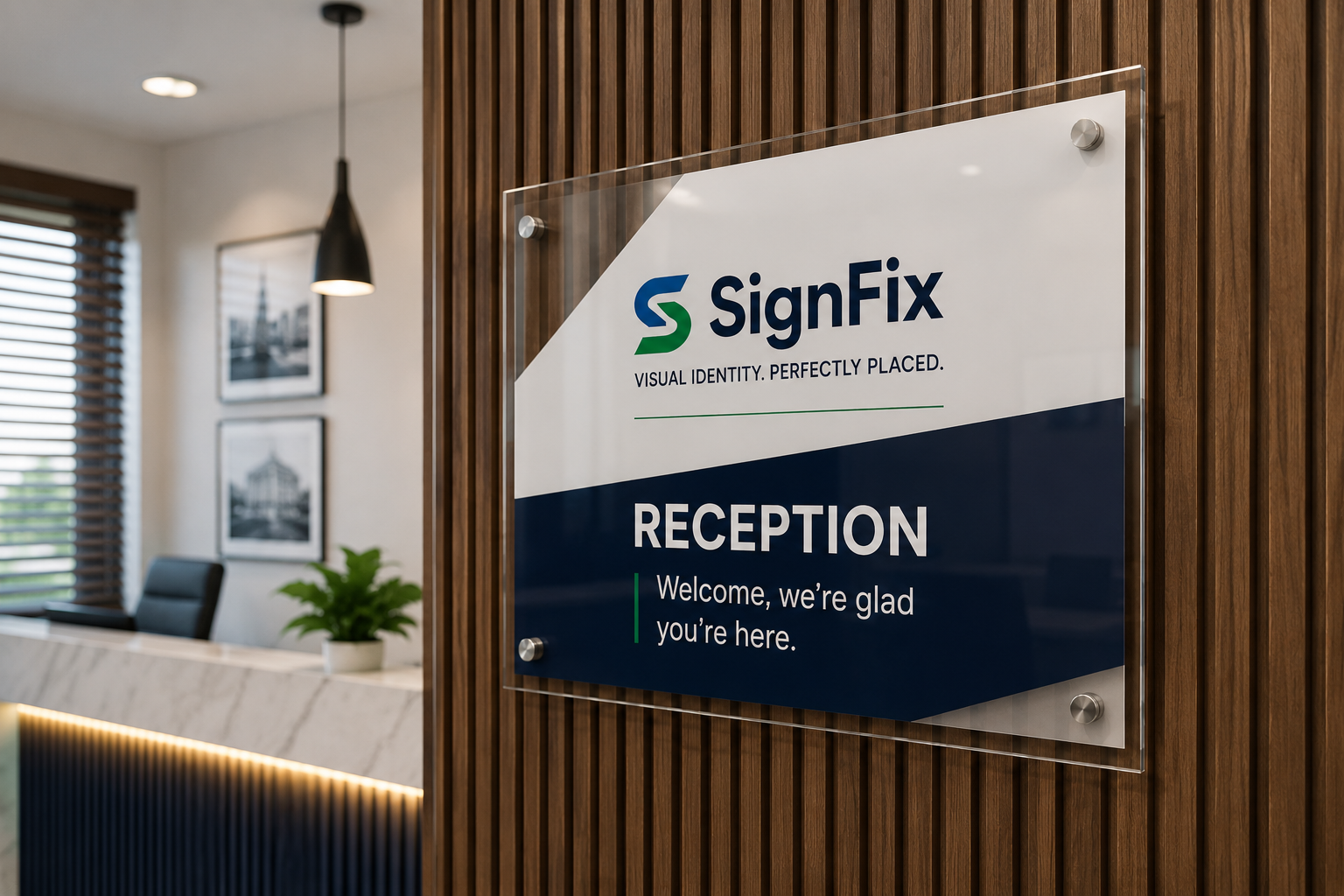
The reception area is the first physical touchpoint between a