
The world of signage is undergoing a seismic shift. What once was a static, printed medium has exploded into an intelligent, immersive ecosystem that blends technology, design, sustainability, and data‑driven personalization. As we look ahead to 2026 signage trends, businesses, designers, and facility managers must understand which innovations will dominate boardrooms, storefronts, and public spaces.
In this comprehensive forecast, we’ll dissect the ten most compelling trends poised to redefine the signage landscape in 2026. From AI‑powered content engines to eco‑friendly substrates, each trend is backed by real‑world case studies, emerging standards, and actionable insights you can implement right now.
Artificial intelligence is no longer a “nice‑to‑have” feature, it’s becoming the core engine that determines what, when, and how content is displayed. AI analyzes foot traffic, weather, time‑of‑day, demographic data, and even sentiment from social media feeds to serve hyper‑relevant messages.
| Feature | What It Does | Business Impact |
|---|---|---|
| Predictive Content Scheduling | Uses historical data to anticipate peak engagement windows | ↑ 30% increase in conversion rates |
| Real‑Time Audience Segmentation | Detects age, gender, and mood via edge‑AI cameras (privacy‑first) | ↑ 25% higher relevance score |
| Automated Localization | Switches language, units, and cultural imagery on the fly | Global brand consistency without manual effort |
A major airport chain deployed AI‑driven digital wayfinding screens that adapt to flight delays and passenger flow. Within six months, they reported a 22% reduction in missed connections and a 15% boost in retail sales from targeted promotions displayed en route to gates.
Implementation Tip: Start with a cloud‑based signage platform (e.g., BrightSign Cloud, Four Winds Interactive) that offers native AI modules, and integrate data sources via simple APIs.
While traditional signage relied on broad demographic segmentation, 2026 will see individualized messaging powered by device proximity (Bluetooth, Wi‑Fi) and consented data from loyalty apps.
Compliance with GDPR, CCPA, and emerging 2024‑25 privacy frameworks is mandatory. Ensure opt‑in mechanisms and transparent data handling policies.
AR overlays are moving from mobile‑only experiences to fixed‑installations like AR‑enabled kiosks and smart glasses for large venues (stadiums, campuses). By 2026, at least 40% of top‑tier venues will integrate AR wayfinding.
A retail giant rolled out AR wayfinding mirrors in flagship stores. Shoppers could point a built‑in camera at a rack, and the mirror projected outfit suggestions and inventory levels. Sales rose 18% for the featured product lines.
| Material | Benefits | Typical Use Cases |
|---|---|---|
| Recycled Aluminum | 80% less carbon than virgin metal | Outdoor billboards, storefront frames |
| Bio‑Based Plastics (PLA, PHA) | Compostable, low VOC | Indoor wayfinding, temporary event signage |
| Bamboo Composite Panels | Renewable, natural aesthetic | Retail wall graphics, hospitality signage |
| Low‑Power e‑Ink Displays | Near‑zero energy consumption | Wayfinding in transit hubs, museum labels |
Quick Win: Swap traditional PVC signage for biodegradable corrugated card displays for short‑term promotions. The cost differential is often negligible, while the sustainability signal is powerful.
Even as COVID‑19 recedes, hygiene expectations remain high. 2026 signage will emphasize interaction methods that eliminate physical touch.
Implementation Note: Test for accessibility compliance (WCAG 2.2) to ensure that gesture and voice controls are inclusive for all users.
Cities worldwide are turning building exteriors into data‑rich canvases. By 2026, solar‑powered, weather‑sealed digital façades will dominate high‑traffic corridors.
A municipal transit authority installed solar‑charged LED panels on bus shelters, delivering real‑time bus arrivals and community alerts. The system achieved a 15% reduction in electricity costs and increased rider satisfaction scores.
Combine dynamic content zones (digital) with static branding zones (etched glass) for a balanced visual hierarchy and cost efficiency.
Modern signage platforms now embed analytics dashboards that track impressions, dwell time, and conversion actions (e.g., QR scans, NFC taps).
Platform Recommendation: Look for signage solutions offering RESTful APIs for seamless integration with CRM, DMP, and BI tools (e.g., Tableau, Power BI).
Signage is evolving from a functional element to a strategic branding vehicle. It is now the first physical interaction many customers have with a brand, demanding consistency across color palettes, typography, motion language, and tone of voice.
A luxury hotel chain introduced a “brand rhythm” across lobby walls, elevators, and spa entryways—synchronizing subtle lighting cues with ambient music. Guest satisfaction scores for “ambiance” rose 27% within a quarter.
The ability to reconfigure signage quickly is becoming a differentiator, especially in pop‑up retail, trade shows, and temporary public installations.
Vendor Highlight: Companies like Molex and Bally now offer magnet‑based mounting systems that reduce installation time to under 5 minutes per panel.
By 2026, the majority of signage content will be created by non‑technical staff using drag‑and‑drop editors, AI‑assisted copy generators, and template libraries.
Quick Starter: Try a free tier of NoviSign or ScreenCloud to evaluate ease of use and integration capabilities.
The 2026 signage trends forecast paints a picture of a vibrant, intelligent, and responsible visual communication ecosystem. Brands that blend AI, hyper‑personalization, AR, sustainability, and data‑driven insight will not only capture attention, they will cultivate lasting relationships with their audiences.
By staying ahead of these trends, you’re not just updating a wall or a window; you’re turning every square foot of space into a living, breathing brand ambassador.
Ready to future‑proof your signage? Start today: audit, pilot, and iterate. The future of visual communication is just a screen away.
| Trend | Key Tech | Immediate Action |
|---|---|---|
| AI‑Powered Digital Signage | Edge AI, Cloud ML | Evaluate AI‑ready signage platform |
| Hyper‑Personalized Content | BLE Beacons, CRM Integration | Map consented data sources |
| AR Wayfinding | Smart Glasses, Depth Sensors | Prototype a kiosk AR demo |
| Sustainable Materials | Recycled Aluminum, Bio‑Plastics | Switch upcoming prints to bamboo composite |
| Contactless Interaction | Gesture Radar, Voice Assistants | Install a gesture sensor on a high‑traffic kiosk |
| Solar‑Powered Outdoor Displays | High‑Brightness LED, IP68 | Audit current outdoor signage for solar retrofit |
| Real‑Time Analytics | Dashboard APIs, Heatmaps | Connect signage to existing BI tool |
| Integrated Branding | Motion Library, Voice Guidelines | Create a brand motion asset pack |
| Modular Architecture | Interlocking Frames, Plug‑n‑Play | Order modular mounting kits for next rollout |
| Zero‑Code CMS | Drag‑Drop Editors, AI Copy | Pilot a zero‑code CMS with a small campaign |
Take the next step, let your signage speak smarter, greener, and more personally in 2026 and beyond. At Signfix Industrial Limited, we help businesses transform ideas into impactful signage solutions that drive visibility and growth.
Work with us to create signs that reflect your brand, engage your audience, and stand the test of time.


Businesses today operate in an increasingly competitive environment where capturing
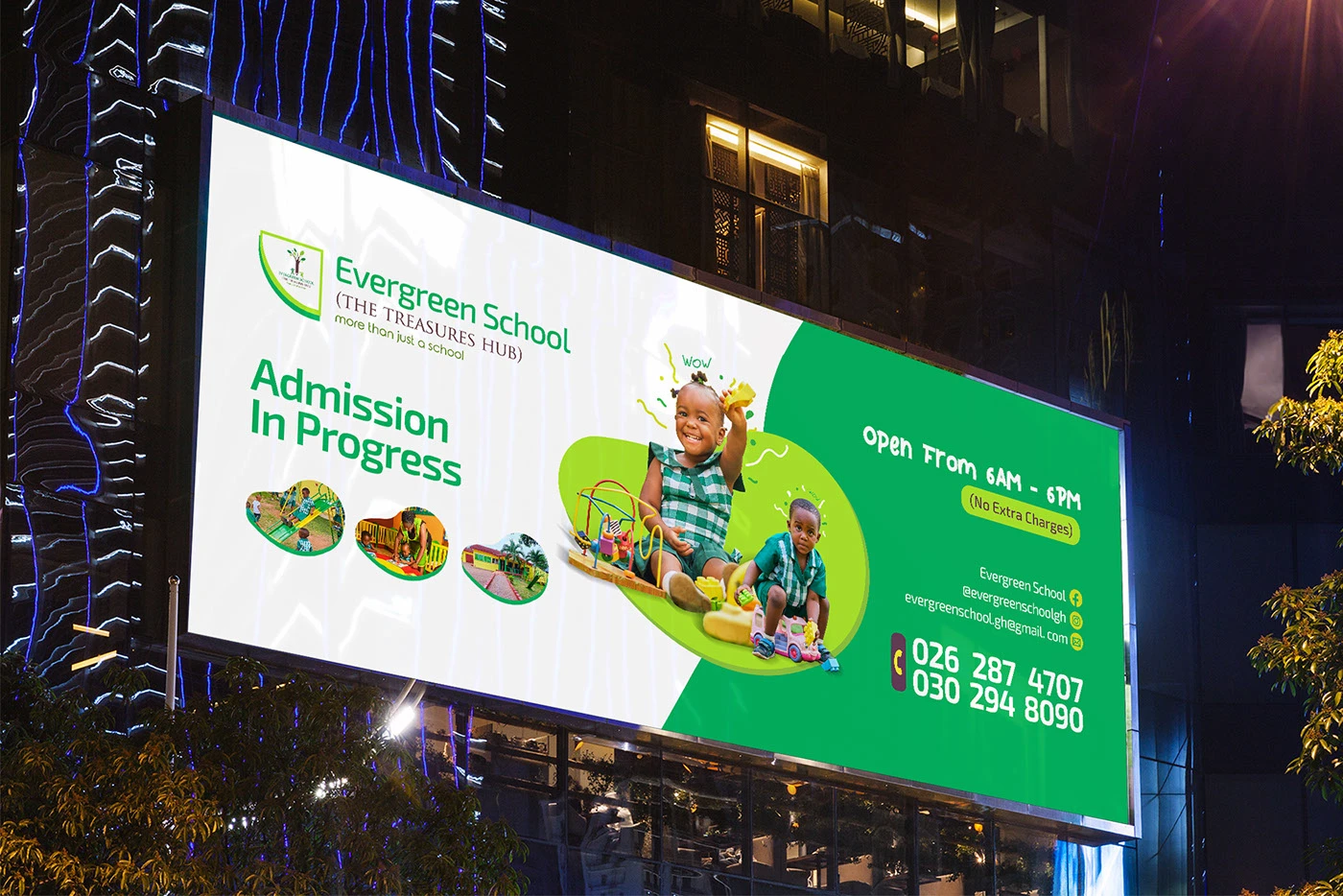
Schools are dynamic environments filled with students, teachers, administrators, parents,
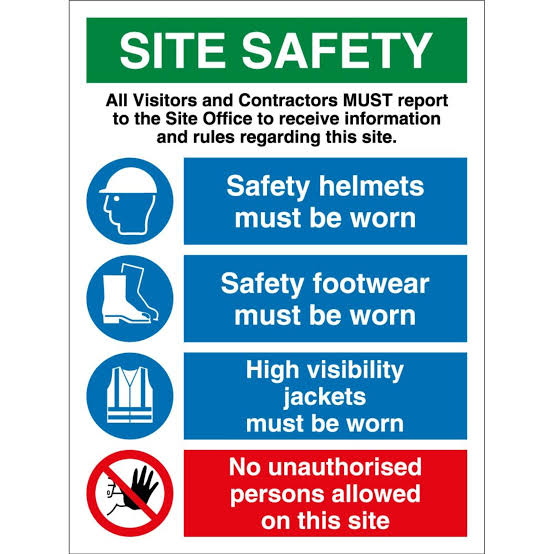
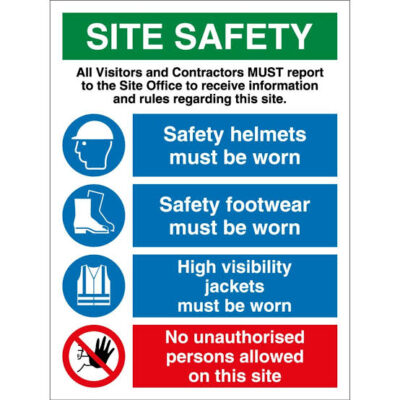
Construction sites are among the most dynamic and high-risk working
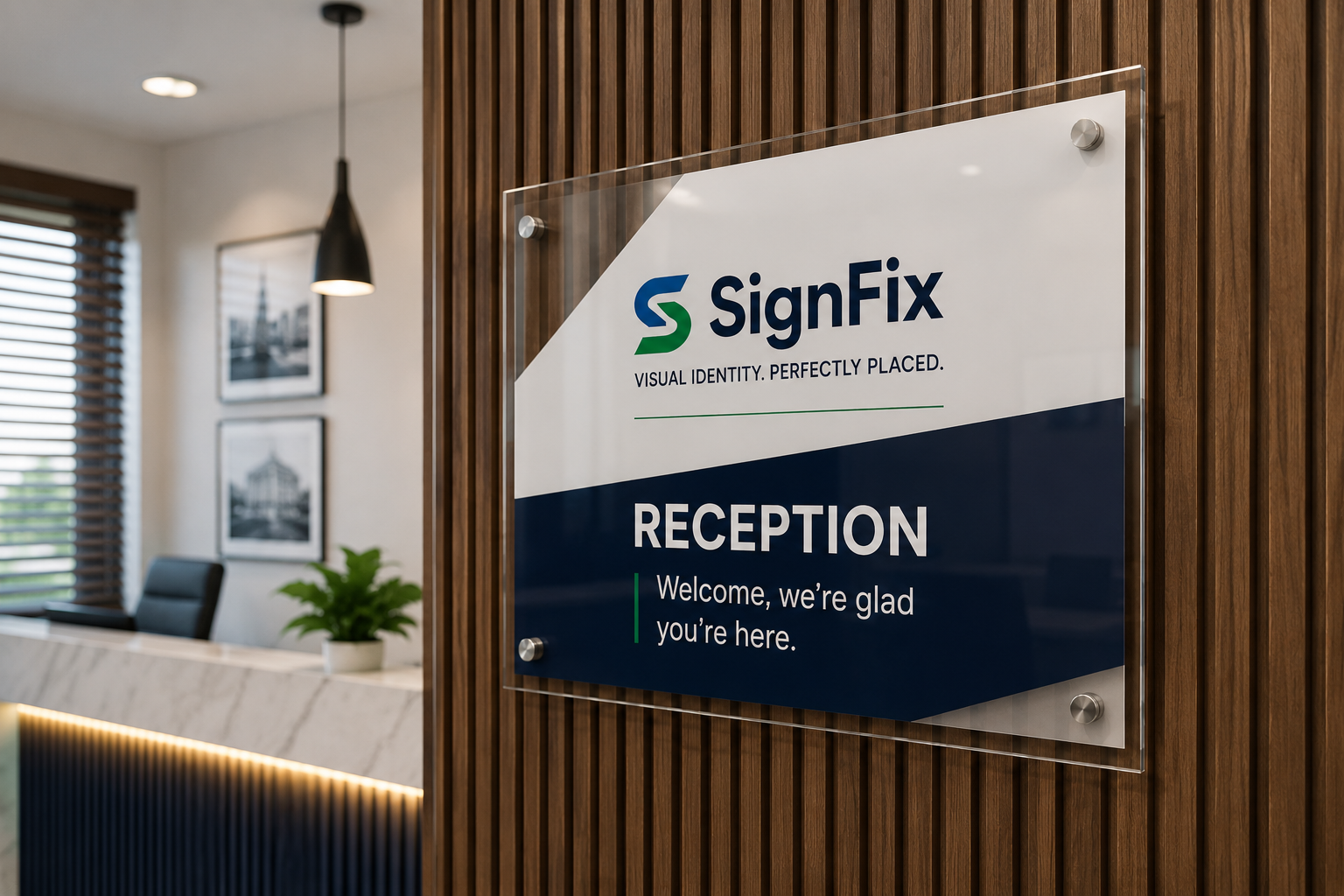
The reception area is the first physical touchpoint between a