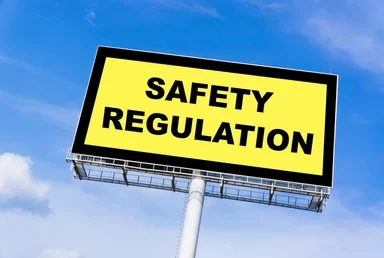
In the high-stakes environment of industry and commerce, safety is non-negotiable. While most businesses understand the necessity of physical safety measures guardrails, PPE, and training the often-overlooked cornerstone of a compliant and safe workplace is robust visual communication. Specifically, regulatory safety signage.
Failure to adhere to mandates set forth by bodies like the Occupational Safety and Health Administration (OSHA) and the American National Standards Institute (ANSI) is not merely a matter of oversight; it is a direct avenue to workplace incidents, severe financial penalties, and protracted legal challenges.
This complete Regulatory Safety Signage Compliance Guide delves deep into the specific requirements, standardized formats, and operational best practices necessary to achieve definitive compliance and maintain a gold standard of safety within your facility. We will ensure you not only place the right signs but understand the foundational principles driving visual safety communication.
Achieving high-level compliance requires understanding the two primary governing bodies that dictate safety sign design, placement, and content in the United States: OSHA and ANSI.
OSHA’s role is primarily to enforce workplace safety standards, documented within Title 29 of the Code of Federal Regulations (CFR). While OSHA sets the baseline legal requirements for workplace notification (e.g., requiring “danger” or “caution” signs where hazards exist), it often defers to consensus standards for specific formatting protocols.
Key OSHA Signage Requirements (29 CFR 1910 Subpart J):
ANSI is not a regulatory body but a standards-setting organization. Its Z535 series is the internationally recognized benchmark that specifies the design, application, and use of safety signs, colors, and symbols. Because OSHA frequently references or adopts industry consensus standards, modern facility compliance almost always demands adherence to the newest ANSI Z535 format.
The modern ANSI system, particularly the ANSI Z535.4 standard (Product Safety Signs and Labels), emphasizes clarity and rapid comprehension through a standardized format that includes:
By adopting ANSI Z535, facilities improve visual safety communication and ensure consistency across labels, manuals, and workplace signs.
A high-ranking regulatory safety signage program hinges on accurately matching the sign’s signal word and color to the severity of the associated risk. Using a “Caution” sign for an “Immediate Danger” is a critical compliance failure.
| Signal Word | ANSI Color | Hazard Severity | Usage Context |
|---|---|---|---|
| DANGER | Red | Imminent hazard; will result in death or serious injury. | Machine pinch points, high-voltage equipment, explosive zones. |
| WARNING | Orange | Potential hazard; could result in death or serious injury. | Areas with moving machinery, risk of falling debris, chemical exposure locations. |
| CAUTION | Yellow | Potential hazard; could result in minor or moderate injury. | Wet floors, low clearance, need for mandatory PPE (gloves/goggles). |
| NOTICE | Blue | Important safety information or instruction, not a direct hazard. | Operational procedures, security protocols, health/hygiene rules. |
| SAFETY INSTRUCTIONS | Green | General safety directions, procedural information, or facility instructions. | First aid locations, safety equipment locations, procedural steps. |
For facilities that handle chemicals, compliance extends beyond general safety signs into the highly regulated domain of the Hazard Communication Standard (HCS), often referred to as HazCom 2012, which aligns with the Globally Harmonized System (GHS).
The GHS standard mandates a specific format for chemical labels to ensure universal understanding:
Key Compliance Requirement: All secondary containers (tanks, spray bottles, drums) holding hazardous chemicals must be properly labeled with GHS-compliant information, either copied from the Safety Data Sheet (SDS) or through a comprehensive facility labeling system like the NFPA 704 system, provided it meets the minimal requirements of HazCom. Missing or illegible secondary container labels is one of the most common OSHA violations.
The most compliant sign is useless if it is not seen. Proper sign placement is a critical, yet often neglected, component of OSHA signage requirements.
Safety signs must be installed in a manner that ensures they are visible and easily understandable to anyone approaching the hazard.
The sign should be positioned immediately adjacent to the hazard, or at the point where the worker must make a decision regarding the hazard.
Regulatory compliance demands longevity. Signs used outdoors or in harsh industrial environments (chemical exposure, extreme temperatures, abrasion) must be constructed from highly durable, ANSI-compliant materials that resist fading, peeling, and chemical degradation.
Crucial Step: Implement a quarterly facility safety audit schedule to inspect all safety signage. Check for fading, damage, or instances where new equipment placement has inadvertently obscured an existing sign.
To help facility managers organize their efforts and ensure full regulatory compliance, use this actionable checklist:
At Signfix Industrial Limited, we understand that compliance with regulatory safety signage standards isn’t just about avoiding fines — it’s an operational and economic necessity that directly impacts employee retention, productivity, and liability management.
By integrating the strict, functional guidelines of ANSI Z535 with the enforcement mandates of OSHA, we help organizations ensure their safety communication is immediate, consistent, and effective.
Through proactive investment in standardized, high-quality visual safety communication systems, Signfix Industrial Limited transforms compliance from a simple requirement into a visible commitment to employee well-being, achieving the highest possible standards of safety and facility excellence.




How to Design Promotions Customers Can’t Ignore End-of-year sales are



Every year, as October 1st approaches, Nigeria comes alive in